Apple has implemented significant price increases across a range of its products, including Macs, iPads, Apple TV, HomePod, HomePod mini, and the Vision Pro. These adjustments are a direct response to the ongoing global shortage of memory and storage chips, which has led to substantial cost escalations for these essential components.
The price changes are as follows:
- MacBook Neo: Now priced at $699, up from $599.
- Mac Studio (M4 Max): Increased to $2,499 from $1,999.
- Mac Studio (M3 Ultra): Raised to $5,299 from $3,999.
- Apple TV (Wi-Fi): Now $199, up from $129.
- Apple TV (Wi-Fi + Ethernet): Increased to $249 from $149.
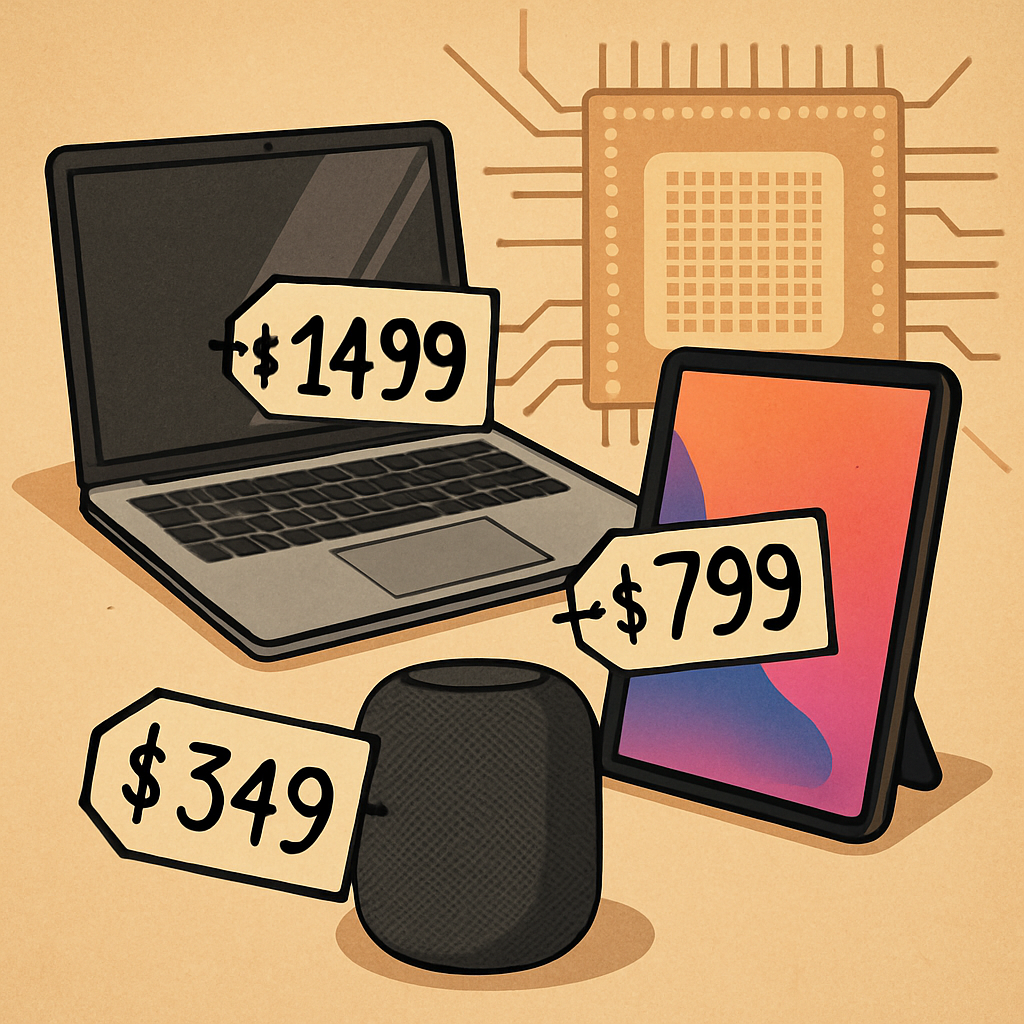
- HomePod: Priced at $349, up from $299.
- HomePod mini: Now $129, up from $99.
- Vision Pro: Increased to $3,699 from $3,499.
Apple attributes these price hikes to the unprecedented demand for memory and storage components, primarily driven by the rapid expansion of AI data centers. This surge has created a significant supply-demand imbalance, resulting in soaring prices for RAM and SSD storage chips utilized in various Apple products.
In a statement, Apple acknowledged the challenges posed by this situation, emphasizing their efforts to shield customers from these cost increases. However, the company noted that the current circumstances have made it necessary to adjust product pricing to reflect the heightened component costs.
Historically, Apple has absorbed fluctuations in component costs to maintain stable pricing for consumers. This recent move marks a notable shift in strategy, indicating the severity of the current supply chain constraints.
Looking ahead, the duration of these elevated prices remains uncertain. Industry experts suggest that the memory chip shortage could persist through 2027, potentially leading to further price adjustments in the tech industry. Consumers should stay informed about these developments, as they may influence purchasing decisions in the coming months.