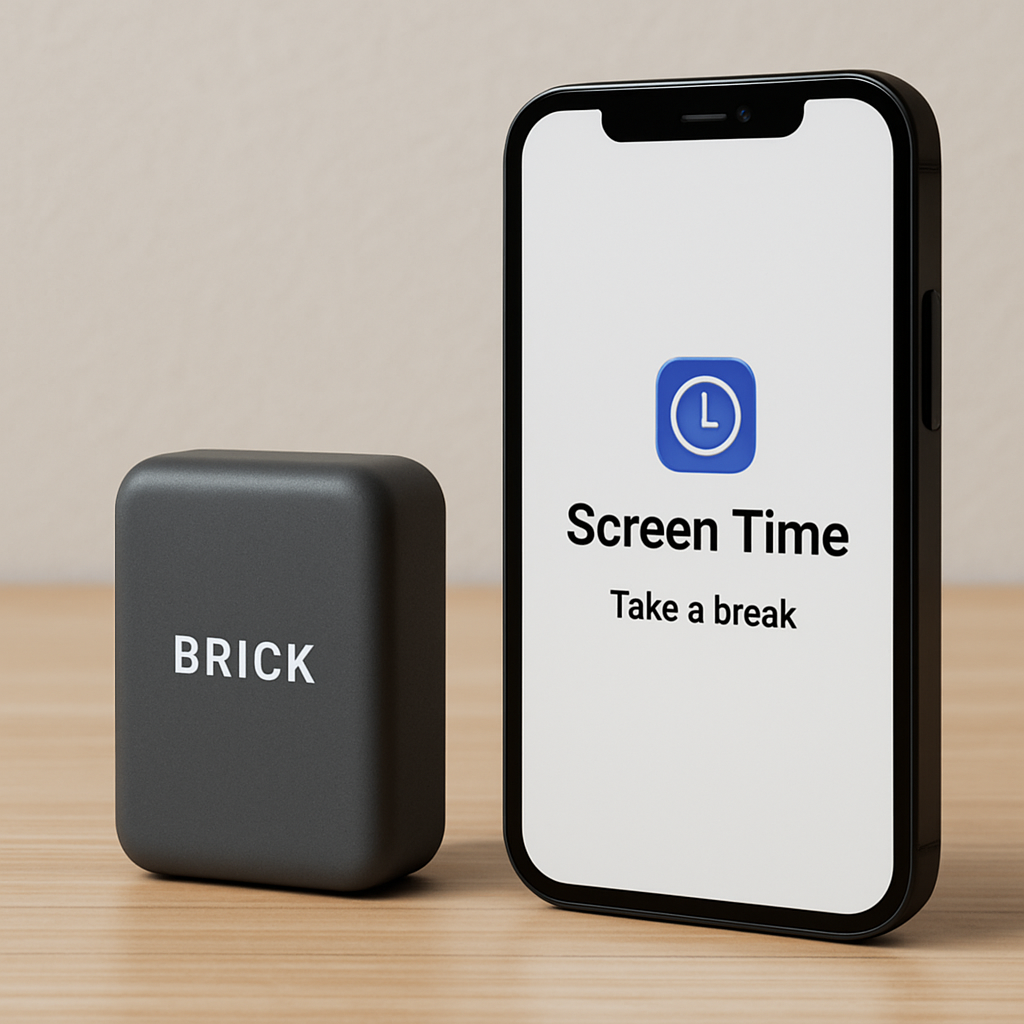
In an era where digital distractions are omnipresent, a new device called Brick offers a tangible solution to help users reduce their screen time. Priced at $59, Brick is a compact, magnetic gadget that integrates with your smartphone to enforce custom screen time limits.
Unlike traditional screen time applications that can be easily bypassed, Brick requires users to physically tap their phone to the device to override set limits. This added layer of physical interaction introduces a deliberate pause, encouraging users to reconsider their need to access certain apps.
Co-founder Zach Nasgowitz explained that Brick was developed out of a personal necessity to mitigate phone-induced distractions. The team found existing solutions inadequate and decided to create a device that effectively addresses the issue.
Users have reported significant improvements in their digital habits. For instance, implementing a “Sleep” mode that activates at 10:30 p.m. blocks all apps except essential ones like messaging and audio applications. To access restricted apps, users must physically engage with the Brick, adding a layer of inconvenience that discourages unnecessary screen time.
While the concept of using physical devices to control digital behavior isn’t entirely new, Brick’s approach of combining hardware with software to create intentional friction sets it apart. This method aligns with research suggesting that adding physical steps can effectively reduce undesirable behaviors.
In a landscape filled with digital solutions to digital problems, Brick’s physical intervention offers a refreshing and effective approach to managing screen time. Its success underscores the potential of integrating tangible elements into digital well-being strategies.