Apple’s latest iteration of Siri, known as Siri AI, marks a significant transformation in the company’s voice assistant technology. This overhaul aims to provide a consistent and unified user experience across all Apple devices, addressing longstanding inconsistencies that have frustrated users.
Consistent Siri Experience Across Devices
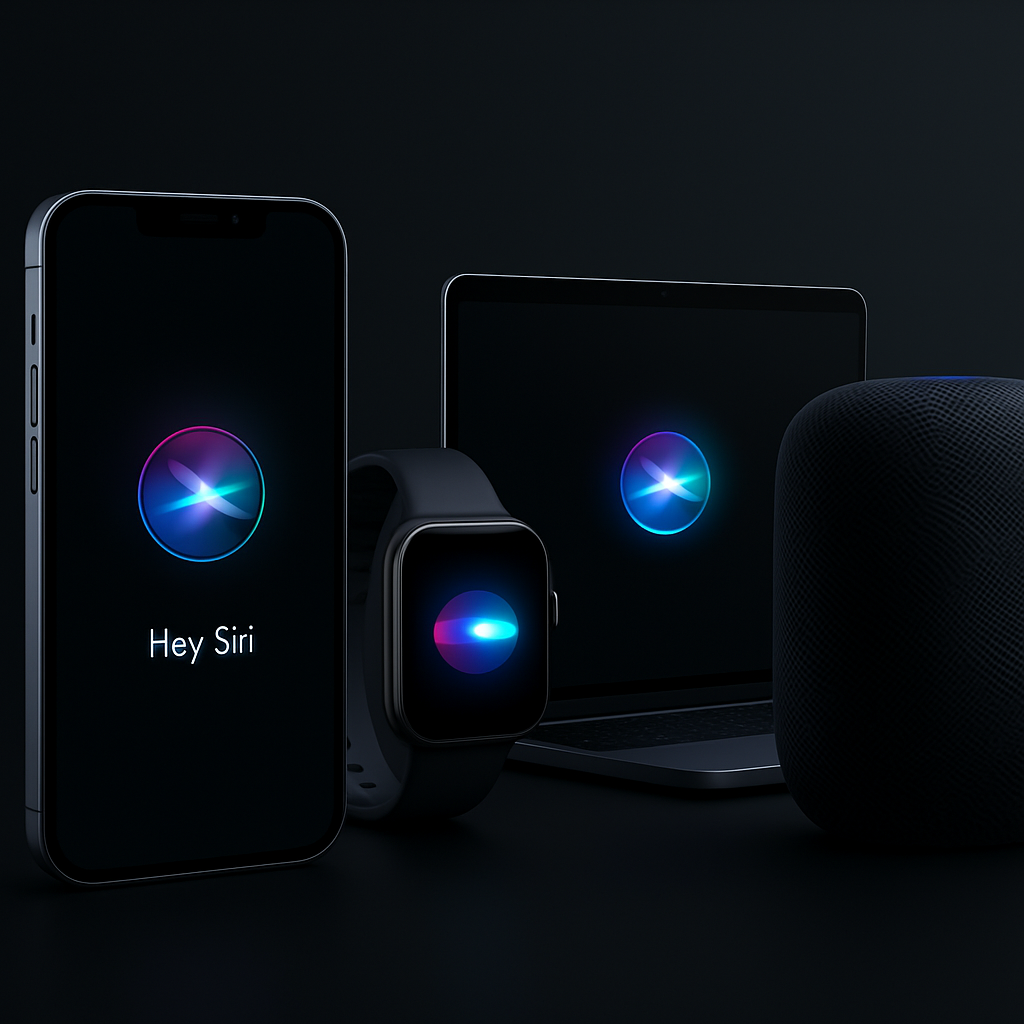
Historically, Siri’s functionality varied depending on the device—be it iPhone, Apple Watch, Mac, or HomePod. This fragmentation often led to user confusion and a disjointed experience. With the introduction of Siri AI, Apple has rebuilt the assistant from the ground up to ensure uniform capabilities across its ecosystem. This means that whether you’re interacting with Siri on your wrist, in your hand, or through a smart speaker, the experience remains consistent.
David Clark, Apple’s senior director of watchOS software engineering, emphasized this goal, stating that the company aimed for a singular and consistent Siri experience, regardless of the device used. This approach ensures that Siri has access to user data and can personalize interactions uniformly across platforms.
Technical Overhaul and Device Compatibility
The development of Siri AI involved a complete rebuild of the existing system. Apple initially attempted to enhance the old model but found the results unsatisfactory. Consequently, the team decided to start from scratch, leading to a more powerful and capable assistant. This decision, while delaying the launch, was deemed necessary to meet user expectations and stay competitive in the rapidly evolving AI landscape.
However, this advanced functionality comes with specific hardware requirements. Siri AI is compatible with newer Apple devices, including the iPhone 15 Pro and later models. Older devices will retain the original Siri but won’t receive further updates, effectively placing them in legacy status.
Implications and Future Outlook
The unification of Siri’s capabilities across devices signifies a major step forward in Apple’s AI strategy. By providing a consistent and personalized assistant experience, Apple aims to strengthen its ecosystem and enhance user satisfaction. This move also positions Siri more competitively against other AI assistants in the market.
Looking ahead, it’s crucial to monitor how Apple plans to monetize these advanced AI features. There are indications that premium functionalities may be offered through subscription models, similar to other AI services. Additionally, the success of Siri AI will depend on its ability to integrate seamlessly with third-party applications and services, further enriching the user experience.