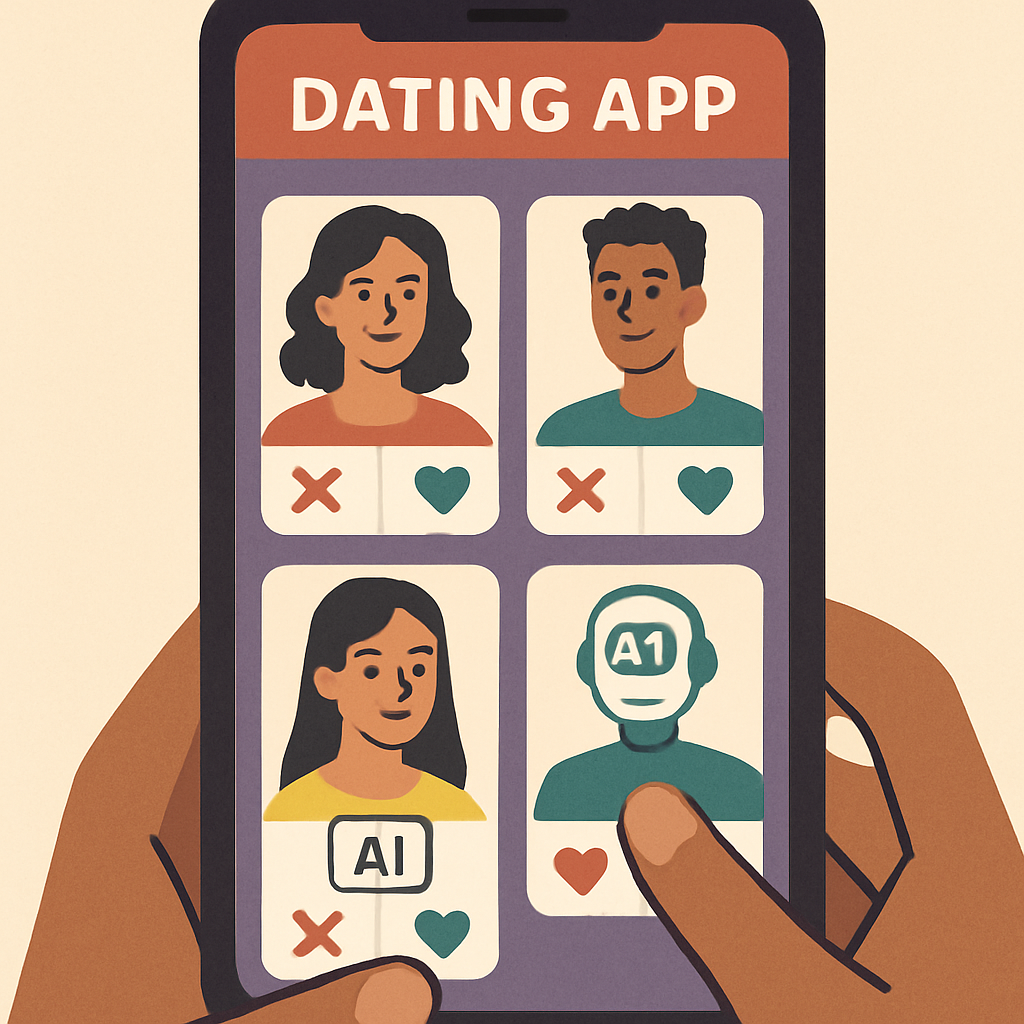
As artificial intelligence (AI) becomes increasingly integrated into various aspects of daily life, its role in the dating scene has sparked significant debate. A recent survey conducted by Match Group, the parent company of popular dating platforms such as Tinder, Hinge, and OkCupid, reveals that 47% of U.S. singles view the incorporation of AI into dating negatively.
The study, which polled 1,000 individuals aged 18 to 39, highlights a nuanced perspective on AI’s involvement in romantic pursuits. While a substantial portion of respondents express reservations, a notable 64% acknowledge potential benefits AI could offer in enhancing their dating experiences. This dichotomy suggests that while users are open to technological assistance, they remain cautious about AI’s deeper integration into personal relationships.
One area of particular concern is the use of AI companion apps. Approximately 40% of singles indicate they would be unwilling to date someone who engages with such applications. This sentiment is even more pronounced among women aged 18 to 24, with 51% expressing disapproval. Despite these reservations, only 12% of individuals in this age bracket report having used an AI companion app in the past three months, and among these users, about one-third were seeking genuine connections through these platforms.
Dating applications have long utilized algorithms to facilitate matches, but the advent of advanced AI features has introduced new dynamics. Platforms are now experimenting with AI-driven tools designed to assist users in crafting profiles, selecting photos, and maintaining engaging conversations. For instance, Bumble has introduced a dating assistant named Bee, and Tinder has invested heavily in AI tools, even slowing its hiring process to accommodate this technological shift. Additionally, Hinge’s former CEO departed to develop a dating app with a stronger AI focus.
Despite these innovations, the survey underscores a clear boundary that users wish to maintain: they are open to AI aiding in the logistical aspects of dating but prefer that the core of human connection remains untouched by technology. Match Group encapsulates this sentiment by stating that singles desire assistance with the challenging parts of dating but want the actual connection to be authentically human.
This cautious approach to AI in dating reflects a broader trend of skepticism toward AI’s role in personal and emotional domains. As dating platforms continue to explore AI’s potential, they must balance technological advancements with users’ desires for genuine, human-centered experiences.
In conclusion, while AI offers promising tools to streamline and enhance certain facets of the dating process, the emphasis on authentic human interaction remains paramount. Dating platforms should heed these insights, ensuring that technology serves as a facilitator rather than a replacement for genuine connections.