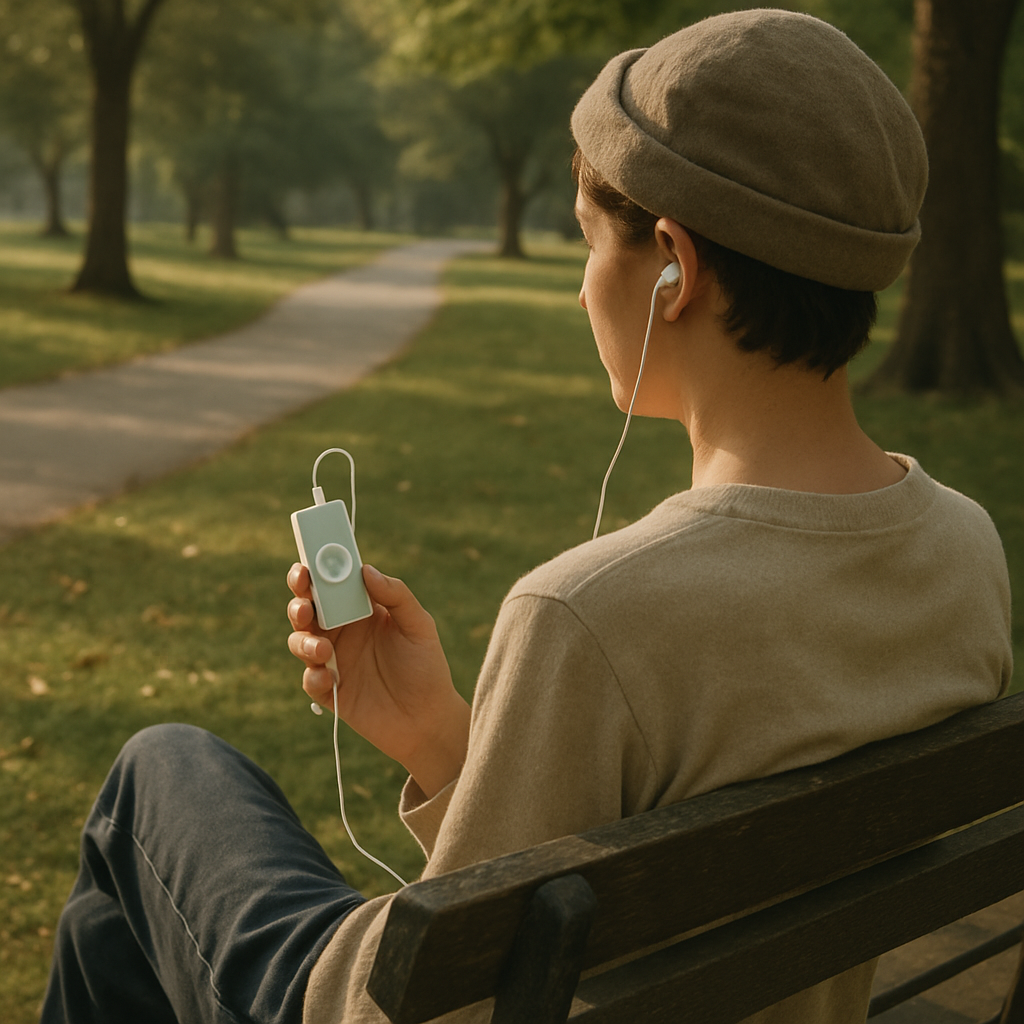
In a striking encounter at New York City’s 28th Street Subway Station, Tony Fadell, the creator of the iPod, was surprised to see a large advertisement for the iPod Shuffle, a device he designed over two decades ago. The ad’s promise of “Zero screen time” stood out in an era dominated by smartphones and constant connectivity.
Fadell observed commuters immersed in their smartphones, streaming vast music libraries through wireless headphones. This scene underscored how far technology has advanced since the iPod’s debut, which once boasted “one thousand songs in your pocket.” Despite these advancements, there’s a growing sentiment that our always-connected lifestyle has become more exhausting than enriching.
Joy Howard, Chief Marketing Officer of Back Market, an online marketplace for refurbished technology, noted a shift in consumer behavior. “People are very oversaturated and overstimulated, and they really want to have a more mindful approach to what they’re doing with their tech,” she explained. This observation aligns with Back Market’s decision to invest in prominent advertising for the iPod Shuffle, indicating a resurgence in demand for simpler, less intrusive devices.
For younger generations who have grown up with smartphones and social media, there’s an emerging appeal in retro technology. Devices like wired headphones, digital cameras, and classic gaming consoles offer experiences free from the constant notifications and algorithm-driven content of modern gadgets. These “slowtech” products provide a respite from the digital overload, allowing users to engage with technology on their own terms.
Howard describes this trend as a move towards “slowtech,” where consumers intentionally choose devices that introduce a level of friction into their digital interactions. “The ‘fast tech’ up until now has been all about eliminating friction… [Now], people are seeing friction as a way to create boundaries for themselves,” she said. This shift reflects a desire to reclaim control over one’s attention and time, countering the pervasive influence of the attention economy.
As the slowtech movement gains traction, it challenges the tech industry’s longstanding focus on seamless, always-on experiences. Consumers are increasingly valuing intentionality and mindfulness in their tech usage, suggesting a potential shift in how technology is designed and marketed. This trend highlights the importance of balance in our digital lives and may inspire further innovation in creating technology that respects users’ attention and well-being.