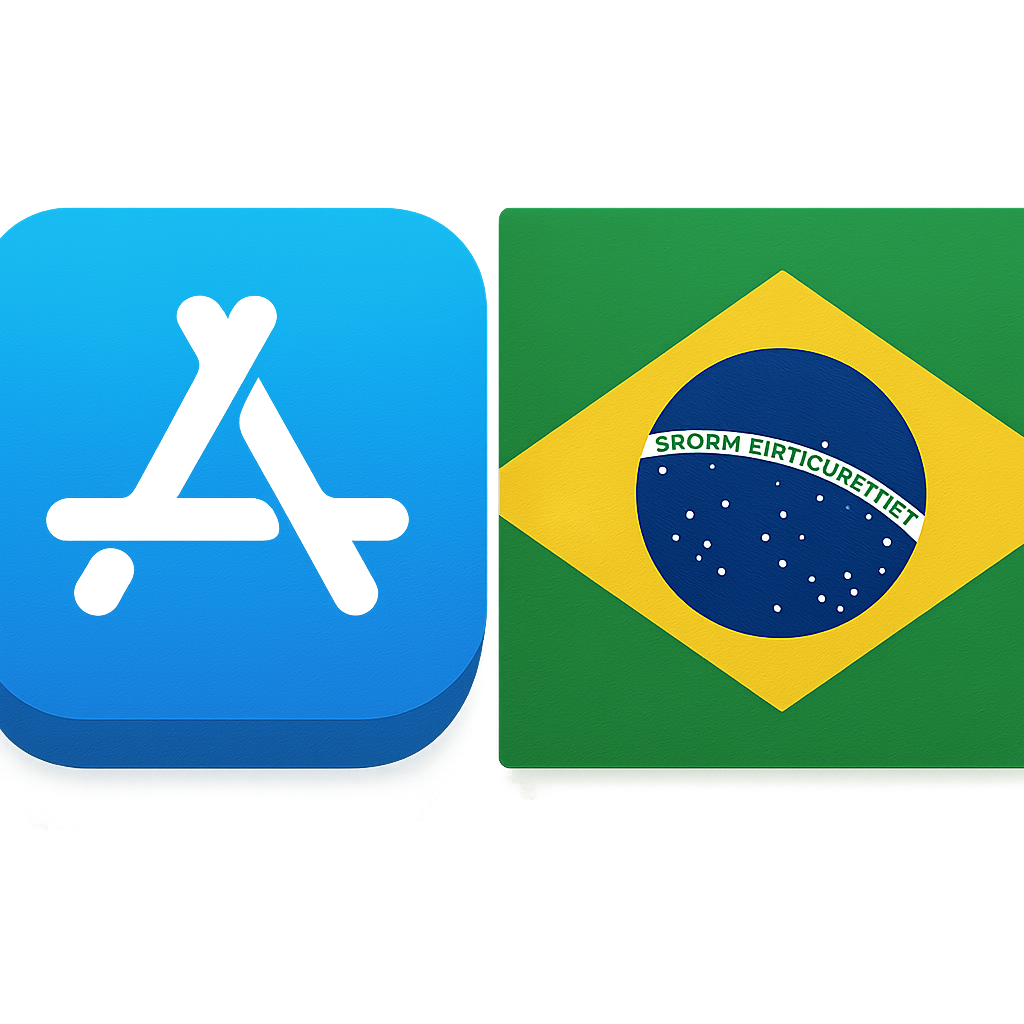
Apple has announced significant changes to its App Store operations in Brazil, allowing developers to distribute iPhone apps through alternative marketplaces and accept payments via third-party platforms. These reforms, effective with iOS 26.5 and later, stem from regulatory actions by Brazil’s competition authority.
Under the new framework, developers can bypass the traditional App Store and Apple’s in-app purchase system, though certain fees will still apply. Alternative app marketplaces must receive authorization from Apple and adhere to ongoing requirements. For apps distributed through the App Store, developers now have the option to integrate alternative payment processing methods within their apps or direct users to external websites for transactions.
Apple has expressed concerns about potential privacy and security risks associated with these changes, particularly for younger users. To mitigate these risks, the company has introduced several safeguards, including a notarization process for iOS apps, an authorization process for app marketplaces, and restrictions on external links and alternative payments for users under 18.
These developments in Brazil align with similar regulatory-driven changes Apple has implemented in regions such as the European Union, Japan, and South Korea. Anticipated regulatory actions in the United Kingdom and Australia may lead to comparable reforms in those markets.
Fee Structure Adjustments
Apple has revised its commission structure for the Brazilian market. For apps distributed via the App Store, the maximum commission on digital goods and services has been reduced from 30% to 21%. Many developers may qualify for even lower rates, with commissions as low as 10% through programs like the Small Business Program, Video Partner Program, and Mini Apps Partner Program. Additionally, apps utilizing the App Store’s in-app purchase system will incur an extra 5% fee.
For transactions conducted through external websites linked from an app, developers will be subject to a 15% commission on digital goods and services, with potential reductions to 10% in certain cases. Apps distributed outside the App Store will be required to pay a 5% “Core Technology Commission” on the sale of digital goods and services, including paid apps. This fee compensates Apple for the tools, technologies, and services that facilitate app distribution to iOS users.
By July 6, 2026, all current members of the Apple Developer Program in Brazil must comply with these new guidelines.
These reforms mark a significant shift in Apple’s App Store policies, reflecting a broader trend towards increased flexibility and competition in app distribution. While these changes offer developers more options and potentially lower costs, they also introduce new complexities and responsibilities, particularly concerning user privacy and security. Developers and users alike will need to navigate this evolving landscape carefully.