Snap Inc. has officially introduced ‘Specs,’ its latest augmented reality (AR) glasses, marking a significant advancement in wearable technology. Priced at $2,195, these glasses are designed to seamlessly integrate digital experiences into the user’s daily life.
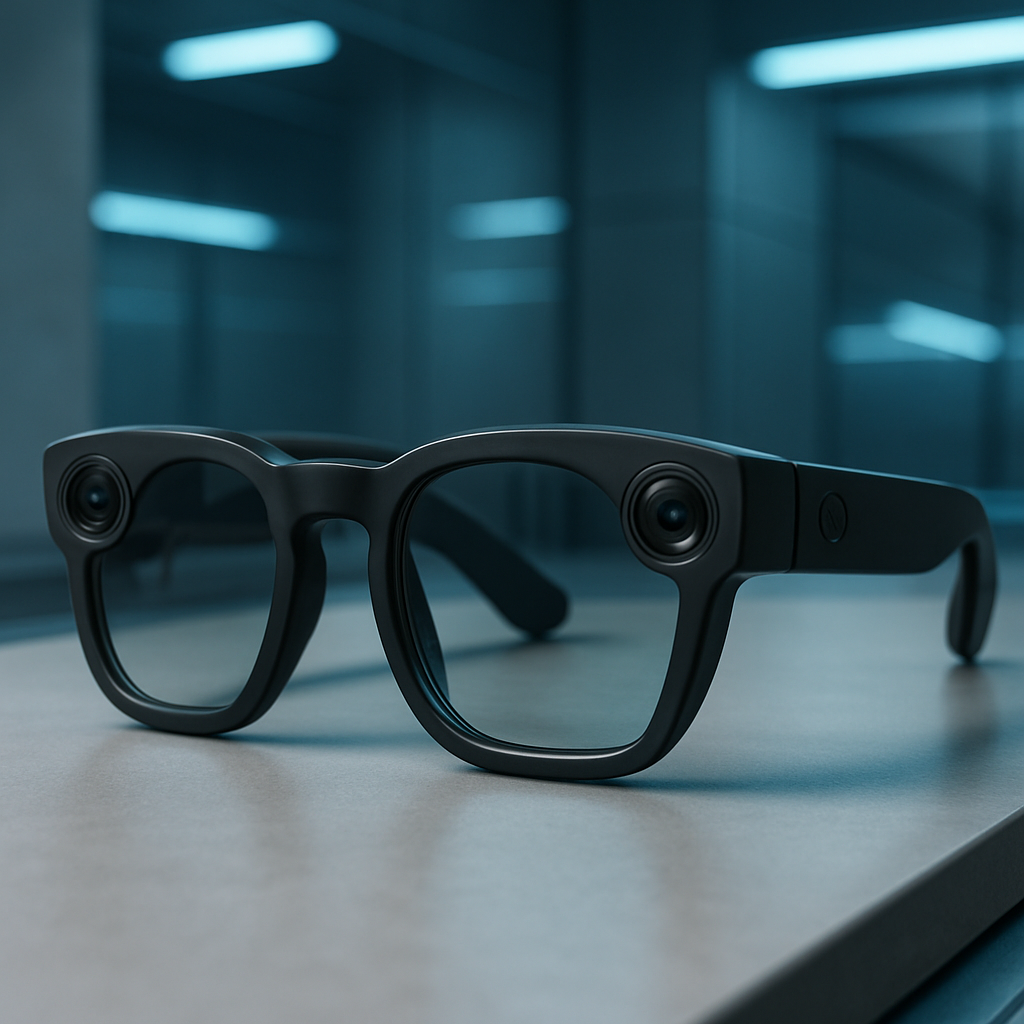
Constructed from Swiss TR90 polymer, often referred to as ‘plastic titanium’ due to its lightweight and durable properties, Specs are engineered for extended wear. They are available in two sizes: a 47mm frame weighing 132 grams (4.7 ounces) and a 52mm frame at 136 grams (4.8 ounces). Users can easily insert prescription lenses, facilitating sharing among friends and family.
Equipped with an array of cameras and sensors, Specs provide a comprehensive AR experience. The device features two full-color high-resolution cameras, two infrared computer vision cameras, and 6-axis inertial measurement units (IMUs) for precise motion tracking. Dual Snapdragon processors handle the lenses and computer vision tasks, ensuring smooth performance.
The AR display boasts a 51-degree field of view, utilizing stereo waveguide technology with automatic tinting to adapt to various lighting conditions. Snap compares this field of view to viewing a 115-inch screen from 10 feet away. Liquid crystal on silicon (LCoS) miniature projectors deliver vibrant images directly to the display.
Audio capabilities include stereo speakers for spatial sound and a microphone array for clear voice input. Gesture control is facilitated through hand tracking, complemented by voice recognition and support for natural voice commands.
Battery life is optimized for daily use, offering up to four hours of mixed usage. A custom magnetic charging cable allows for charging while wearing the glasses, and the accompanying charging case provides an additional 20 hours of use. This is a notable improvement over previous Spectacles models, which offered only 45 minutes of battery life.
Specs support a variety of applications, including watching movies, videos, and TV shows, casting content to screens, and utilizing existing Snapchat lenses. They can also connect to computers, phones, or gaming systems via USB-C, functioning as an external display.
During the unveiling at AWE USA 2026, Snap CEO Evan Spiegel showcased various developer-created experiences using Snap’s Lens Studio. With compatibility for existing Snapchat lenses, users can place virtual items, play mini-games, and access DIY assistance, among other features.
Lens Studio is set to receive updates, including agentic development for lenses and developer integrations for creating more interactive experiences. This positions Specs as a versatile tool for both developers and consumers, bridging the gap between digital and physical worlds.
Snap’s launch of Specs signifies a bold move into the consumer AR market, aiming to redefine how users interact with digital content. While the $2,195 price point places it in the premium segment, the advanced features and potential applications may justify the investment for tech enthusiasts and professionals. As the AR landscape evolves, it will be interesting to see how Specs competes with offerings from other tech giants and influences the adoption of wearable AR technology.