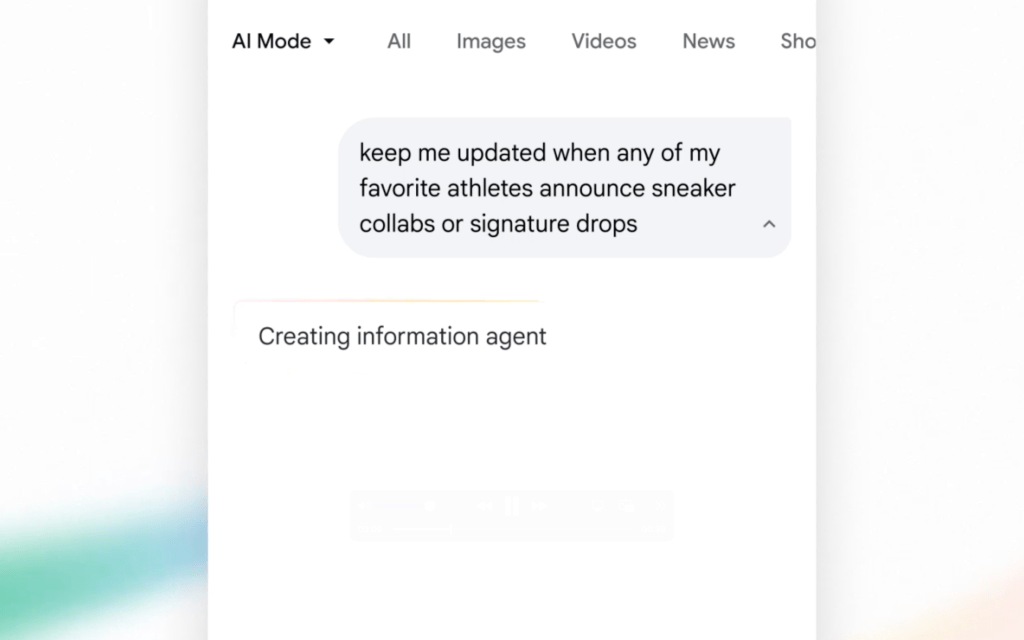
Meta has unveiled ‘AI Mode,’ a new feature on Facebook designed to enhance user interaction by providing AI-generated responses sourced from publicly shared content across its platforms. This development aims to transform how users search for information and engage with content on Facebook.
With AI Mode, users can pose questions in natural language and receive synthesized answers derived from public posts, including those from Groups and Reels. This approach seeks to streamline the search experience by delivering concise, relevant information without the need to sift through extensive search results.
In addition to AI Mode, Meta has introduced several AI-driven editing tools. Users can now create collage cutouts and apply transition effects to video montages, enriching their content creation capabilities. Furthermore, AI-powered photo presets allow users to modify their appearance by altering clothing, hairstyles, and accessories. For instance, sports enthusiasts can virtually don their favorite team jerseys by selecting the ‘AI Edit’ icon in Stories or opting for the ‘Restyle profile picture with AI’ feature on their profiles.
These enhancements build upon Meta’s recent AI integrations. Earlier this year, the company introduced animated profile pictures that add dynamic elements to static images, such as a wave or a virtual party hat. Additionally, an AI feature was added to Facebook Marketplace to automate responses to buyer inquiries, streamlining the communication process for sellers.
Meta’s strategic focus on AI aims to make Facebook more engaging and user-friendly. By integrating AI tools that simplify content creation and information retrieval, Meta seeks to increase user retention and diversify its revenue streams. The introduction of global subscription plans for Facebook, Instagram, and WhatsApp, starting at $3.99 per month, indicates a move towards monetizing these AI-driven features, with additional AI-related subscription tiers anticipated in the future.
While these AI advancements offer enhanced functionality, they also raise questions about the reliability of information sourced from user-generated content. The potential for outdated or misleading information underscores the importance of critical evaluation by users when interacting with AI-generated responses. As Meta continues to expand its AI capabilities, balancing innovation with user trust and content accuracy will be crucial for the platform’s success.