UNC3753’s Sophisticated Cyber Assaults on U.S. Law Firms: A Deep Dive into Vishing and Remote Access Exploits
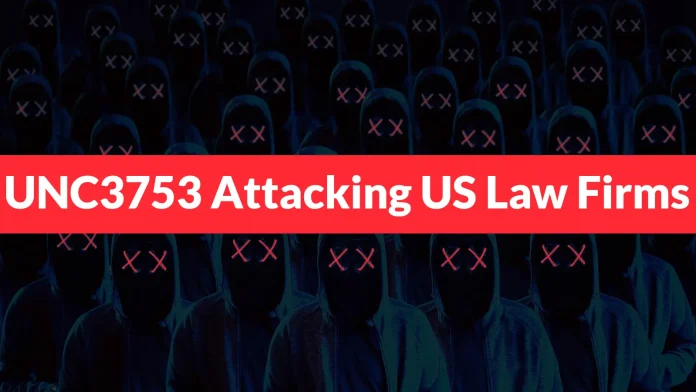
In early 2026, a cybercriminal group known as UNC3753, also referred to as Luna Moth, Chatty Spider, and Silent Ransom Group, launched a series of targeted attacks against U.S. law firms. These operations, spanning from January to May 2026, have raised significant concerns within the legal and cybersecurity communities due to their rapid execution and the sensitive nature of the compromised data.
Rapid Execution and Target Selection
UNC3753’s attacks are characterized by their swift progression. In numerous instances, the group transitioned from initial contact to data exfiltration within a single business day, with some breaches completed in under an hour. The primary targets—law firms—are repositories of confidential information, including merger plans, client communications, trade secrets, and regulatory documents. The potential reputational damage from such breaches often pressures these firms into compliance with extortion demands, thereby fueling the group’s operations.
Social Engineering Tactics
The group’s modus operandi heavily relies on social engineering, particularly through voice phishing, or vishing. The attack sequence typically unfolds as follows:
1. Initial Contact: UNC3753 dispatches innocuous, invoice-themed emails from consumer accounts. These emails lack malicious links or attachments, serving solely to plant concern and prime the recipient for subsequent communication.
2. Impersonation of IT Support: Leveraging publicly available employee information, attackers place direct calls to individuals, posing as corporate IT support staff. They fabricate scenarios such as addressing security issues or assisting with data migration projects to build trust.
3. Screen-Sharing Sessions: Once trust is established, the attacker persuades the victim to initiate a screen-sharing session. During this session, the attacker guides the victim to download and install remote access tools, including AnyDesk, Bomgar, Zoho Assist, or SuperOps RMM agents. To minimize traceability, installation links are often delivered via Privnote, a self-destructing text service.
4. System Navigation and Data Exfiltration: With remote access secured, the attacker navigates the victim’s system, searching for sensitive documents such as tax records, Social Security numbers, and legal agreements. These files are then staged in accessible locations like the Downloads folder before being exfiltrated.
Extortion and Threats
The extortion phase commences almost immediately after data exfiltration. Within 30 minutes of exiting the victim’s environment, UNC3753 sends a threatening email demanding a response within three days. Failure to comply results in escalated threats, including contacting employees, clients, and media outlets, and publishing stolen data on platforms like LEAKEDDATA.
Mitigation Strategies
To defend against such sophisticated attacks, organizations should implement the following measures:
– Employee Training: Educate staff on the dangers of unsolicited communications and the importance of verifying IT support requests through independent channels.
– Access Controls: Restrict the installation of remote access tools to authorized personnel and enforce multi-factor authentication (MFA) on critical systems and document repositories.
– Monitoring and Response: Establish robust monitoring systems to detect unusual activities and develop incident response plans to address potential breaches promptly.
Conclusion
UNC3753’s recent campaigns underscore the evolving landscape of cyber threats targeting the legal sector. By exploiting human trust and leveraging advanced social engineering techniques, these attackers have demonstrated the need for heightened vigilance and comprehensive security protocols within organizations handling sensitive information.