Unlocking Siri’s New Voice Customization: Is Your Device Compatible?
At the recent Worldwide Developers Conference (WWDC) 2026, Apple introduced a significant overhaul of its virtual assistant, Siri, unveiling the new Siri AI. This update brings a host of advanced features, including a dedicated application and enhanced capabilities. Among the most anticipated enhancements is the ability to personalize Siri’s voice, allowing users to adjust the assistant’s speaking pace, expressiveness, and accent. However, this customization feature is not universally accessible and is reserved for users with Apple’s latest hardware.
Understanding Siri’s Voice Customization
The new Siri AI offers users unprecedented control over the assistant’s vocal attributes. Through intuitive sliders, users can modify the speed and emotional tone of Siri’s responses, tailoring the interaction to their preferences. Additionally, a drop-down menu provides a selection of accents, enabling a more personalized and engaging user experience.
Device Compatibility and Requirements
Despite the broad rollout of the new Siri AI across devices capable of running iOS 27, iPadOS 27, macOS 27 Golden Gate, and visionOS 27, the voice customization feature is exclusive to specific, high-end models. Apple has delineated the following minimum system requirements for accessing this feature:
– iPhone Models: iPhone 17 Pro, iPhone 17 Pro Max, and iPhone Air.
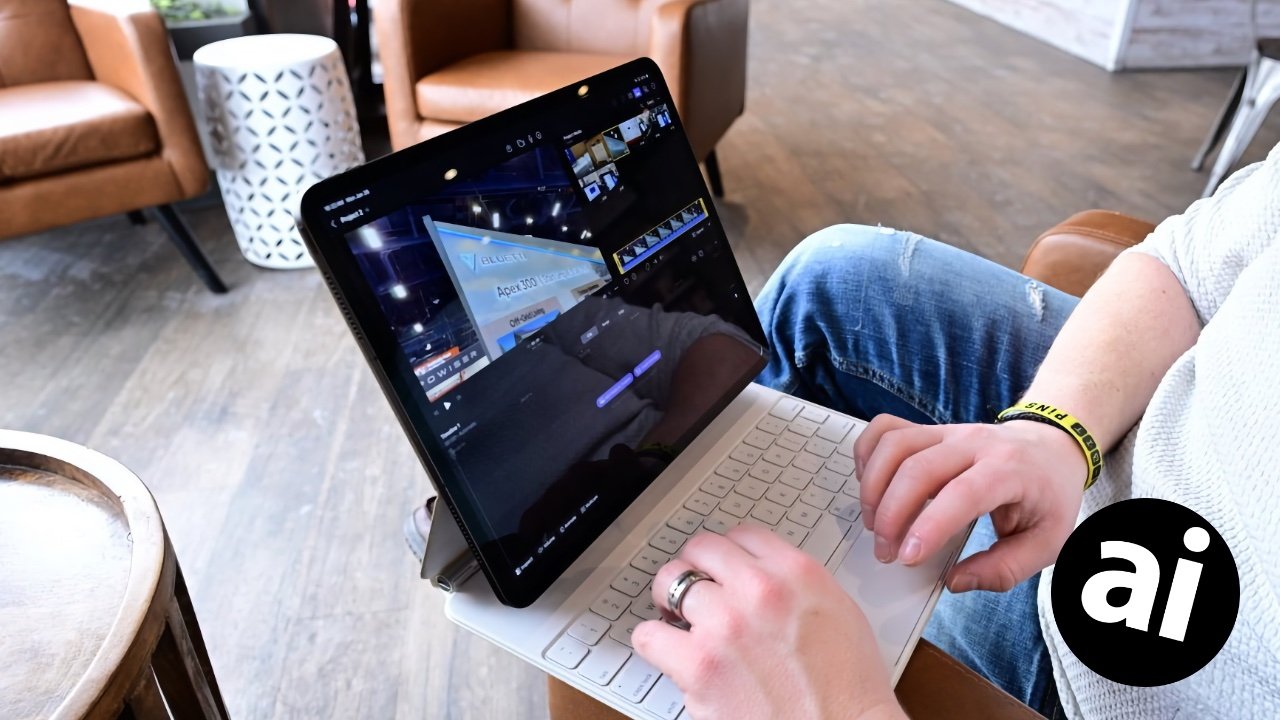
– iPad Models: Devices equipped with the M4 chip or later, accompanied by at least 12GB of unified memory.
– Mac Models: Systems featuring the M3 chip or later, also with a minimum of 12GB of unified memory.
– Apple Vision Pro: Devices powered by the M5 chip.
This selective availability underscores Apple’s strategy to leverage the advanced processing capabilities of its latest hardware to deliver enhanced features. Users with older devices, even if they support the new operating systems and Siri AI, will not have access to the voice customization options.
Implications for Users
For Apple enthusiasts eager to utilize Siri’s voice customization, this development may necessitate upgrading to newer hardware. While the core functionalities of the new Siri AI remain accessible across a broad range of devices, the enhanced personalization features are designed to operate optimally on the latest models. This approach aligns with Apple’s history of introducing advanced features that capitalize on the capabilities of its newest hardware offerings.
Historical Context and Evolution
Apple’s commitment to enhancing Siri’s user experience is evident in its ongoing development efforts. In 2021, with the release of iOS 14.5, Apple introduced two additional voice options for Siri and eliminated the default female voice setting, allowing users to select their preferred voice during device setup. This move was part of Apple’s broader initiative to promote diversity and inclusion within its products. ([9to5mac.com](https://9to5mac.com/2021/03/31/ios-14-5-siri-no-longer-defaults-to-a-female-voice-two-new-voices-added/?utm_source=openai))
The introduction of voice customization in the new Siri AI represents a significant leap forward, offering users deeper personalization options. However, the hardware requirements for this feature highlight the technological advancements integrated into Apple’s latest devices, which are necessary to support such sophisticated functionalities.
Looking Ahead
As Apple continues to innovate and expand Siri’s capabilities, it is likely that future updates will further enhance user interaction and personalization. For users considering an upgrade, the new voice customization feature serves as a compelling incentive to invest in the latest Apple hardware, ensuring access to the full suite of Siri’s advanced features.