Apple’s Siri AI vs. Google’s Gemini: A Comprehensive Comparison
At the Worldwide Developers Conference (WWDC) 2026, Apple unveiled Siri AI, a significant enhancement to its virtual assistant, powered by Google’s Gemini models. This collaboration marks a pivotal shift in Apple’s approach to artificial intelligence, integrating advanced capabilities to offer users a more dynamic and context-aware experience.
Deep Collaboration with Google’s Gemini
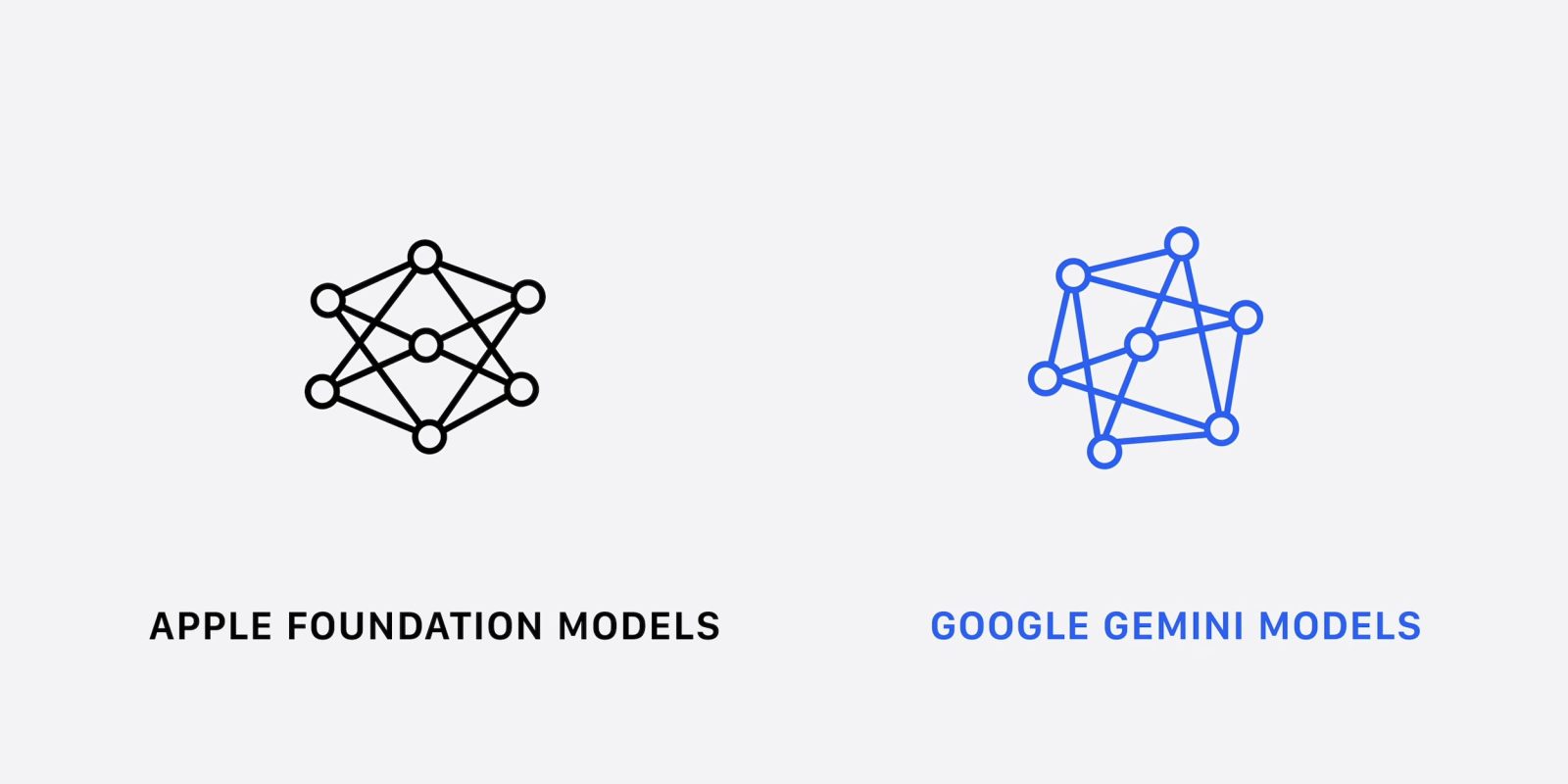
Apple’s partnership with Google has led to the development of the next generation of Apple Foundation models, collectively referred to as Siri AI. By leveraging the technologies behind Google’s Gemini family of models, Apple aims to provide users with a more intelligent and responsive assistant. This collaboration underscores a shared commitment to advancing AI capabilities and delivering enhanced user experiences.
Siri AI vs. Gemini App: A Feature Comparison
The evolution from Siri to Siri AI mirrors Google’s transition from Google Assistant to the Gemini app. Both platforms now offer features such as personal context understanding, app actions, on-screen awareness, image understanding, and access to extensive world knowledge. These enhancements enable more natural and conversational interactions between users and their devices.
Visual Interface and User Interaction
Apple’s integration of Siri AI introduces a unique visual interface through the Dynamic Island feature. Responses expand from the top of the screen, providing users with immediate and accessible information. This design contrasts with Android’s approach, where responses typically appear at the bottom of the screen. Users can swipe down on the Dynamic Island to expand the answer to full screen, offering flexibility in how information is presented and consumed.
Enhanced Voice Capabilities
Siri AI introduces a more expressive voice with customizable options for pace and expressivity, allowing users to tailor the assistant’s speech to their preferences. In parallel, Google announced that Gemini will soon support regional dialects, enhancing its adaptability to diverse user needs. Additionally, Apple’s dictation feature has received a significant accuracy boost, improving the precision of transcriptions, including spelling, punctuation, and capitalization. Google’s upcoming Gboard Rambler aims to offer advanced dictation capabilities, understanding user intent and context to generate concise messages that reflect the user’s natural speech patterns.
Camera Integration: Siri Mode vs. Google Lens
Apple’s new Siri mode in the Camera app offers a guided experience for users seeking information through their device’s camera. For instance, pointing the iPhone at a plate of food provides nutritional insights, while scanning a bill allows users to split the tab using Apple Cash. Similarly, viewing a schedule enables the addition of multiple events to the Calendar in one action. In contrast, Google’s Gemini app and Google Lens offer AI-powered image recognition and information retrieval, allowing users to perform similar tasks with a focus on versatility and integration across various applications.
Web Browsing Enhancements: Safari vs. Chrome
Safari leverages Apple Intelligence to organize tabs into topics, streamlining the browsing experience by grouping related content. This feature enhances user productivity by reducing clutter and making it easier to navigate between topics. Google Chrome has been testing similar features, aiming to provide users with organized and efficient browsing experiences.
Integration with Other Applications
Siri AI extends its capabilities across various Apple applications:
– Messages: Utilizes Apple Intelligence to understand conversation context, offering one-tap suggestions for creating reminders or notes.
– Calendar: Allows users to add events conversationally through a text field, simplifying event creation.
– Phone: Features Call Context, which proactively surfaces relevant information from apps during calls, such as displaying an airline confirmation code when contacting an airline.
– Home App: Combines multiple alerts into a single, up-to-date notification and summarizes camera clips, enhancing home monitoring.
– Shortcuts: Transforms natural language prompts into shortcuts, automating tasks based on user commands.
These integrations aim to create a seamless and intuitive user experience, allowing Siri AI to assist across various aspects of daily life.
Conclusion
The introduction of Siri AI, powered by Google’s Gemini models, represents a significant advancement in virtual assistant technology. By combining Apple’s user-centric design with Google’s AI expertise, Siri AI offers a more personalized, context-aware, and efficient assistant. As both companies continue to innovate, users can anticipate further enhancements that will redefine interactions with their devices.