Free Smart TV Apps Exploit Devices as AI Proxy Nodes
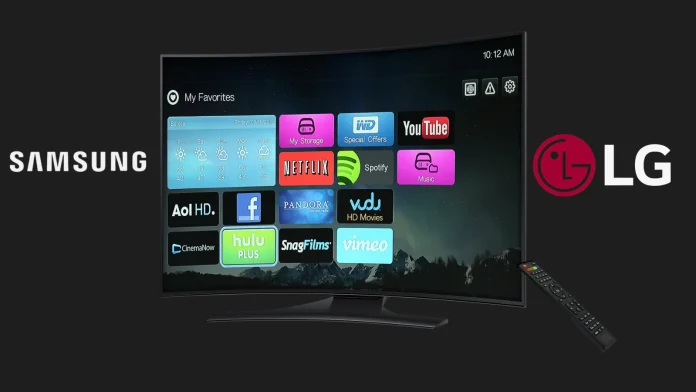
Recent investigations have uncovered that numerous free applications available on popular smart TV platforms—including Samsung, LG, Roku, and others—are covertly enlisting millions of household devices into commercial residential proxy networks. This practice is primarily facilitated through an SDK developed by Bright Data, a data-collection company based in Tel Aviv. Bright Data markets what it claims to be the world’s largest residential proxy network, boasting over 150 million IP addresses sourced via embedded software in partner applications.
Understanding the Mechanism
When users install applications integrated with Bright Data’s SDK, their connected TVs (CTVs) or mobile devices are silently transformed into exit nodes. This means that paying customers’ web-scraping traffic is routed through the user’s home internet connection without explicit consent. The consent dialog, if present, is often buried deep within the app’s navigation, making it easy for users to overlook or unintentionally agree to the terms.
Why Smart TVs Are Targeted
Connected TVs present an attractive target for such exploitation due to several factors:
– Constant Connectivity: Smart TVs are typically always plugged in and connected to Wi-Fi, often remaining in standby mode 24/7.
– Lack of Oversight: Unlike smartphones or computers, smart TVs face minimal corporate or Mobile Device Management (MDM) oversight.
– User Inattention: Users rarely monitor or scrutinize the activities of their smart TVs, making it easier for malicious activities to go unnoticed.
Technical Insights
The SDK’s configuration reveals specific settings that facilitate this exploitation:
– Idle Threshold Flags: Settings such as `ignore_screen_on: true` and `ignore_on_call: true` indicate that a device is considered eligible to relay third-party traffic even while actively in use.
– Bandwidth Allocation: The monthly bandwidth for Wi-Fi relaying is capped at 200 GB per device, as per configuration values retrieved from Bright Data’s public endpoint.
Identified Partners and Reach
Research has identified several partners integrated with Bright Data’s SDK, including:
– PlayWorks Digital: Offers over 400 CTV game titles distributed across platforms like Samsung, LG, Comcast, Roku, and Sky, reaching an estimated 250 million TV households.
– CloudTV: Integrated across more than 125 TV brands and 15 OEMs.
– Viber Media (Rakuten): Boasts between 250 million to 820 million monthly active users.
– Moonfrog Labs: Approximately 10 million monthly active users on games like Teen Patti Gold.
– Hola Networks: Bright Data’s parent company.
Network Behavior and Detection
The SDK establishes a persistent WebSocket connection to `proxyjs.brdtnet.com:443`, resolving to AWS Global Accelerator IPs and presenting a TLS certificate for `.luminatinet.com`. Notably, Bright Data’s pre-2018 corporate name was Luminati Networks. This legacy hostname serves as a detection pivot for defenders: any traffic to `luminatinet.com` or `brdtnet.com` on a network is specifically associated with the SDK’s peer-tunnel operations, not legitimate Bright Data customer traffic.
Bypassing Security Measures
The SDK employs specific techniques to evade standard security monitoring:
– Direct Interface Binding: Utilizes Apple’s `NWParameters.requiredInterface` API to bind the data plane directly to the physical Wi-Fi or cellular interface, effectively bypassing any user-configured VPNs.
– Obfuscated Communication: Employs `CFHTTPMessage` primitives instead of `URLSession`, circumventing standard iOS instrumentation tools and ensuring the SDK’s most sensitive channels remain invisible to typical security monitoring layers.
Recommendations for Users
To protect against unauthorized use of their devices as proxy nodes, users are advised to:
– Block Specific Hostnames: Configure routers to block the following DNS hostnames:
– `proxyjs.brdtnet.com`
– `proxyjs.luminatinet.com`
– `clientsdk.bright-sdk.com`
– Implement TLS-Based Filtering: Drop any handshake with Server Name Indication (SNI) matching `.brdtnet.com`, `.luminatinet.com`, or `.luminati.io`.
– Enterprise Measures: MDM administrators should scan for Swift binary symbols `BrdWebSocketFacade` and `BrdNetwork.DNSResolver` to identify and mitigate the presence of the SDK.
Conclusion
The covert integration of Bright Data’s SDK into free smart TV applications underscores the importance of vigilance when installing and using such apps. Users must be aware of the potential for their devices to be exploited as proxy nodes, often without explicit consent. By taking proactive measures, individuals can safeguard their privacy and ensure their devices are not misused for unauthorized activities.