Bridging the AI Maturity Gap: Enhancing SOCs for Maximum Value
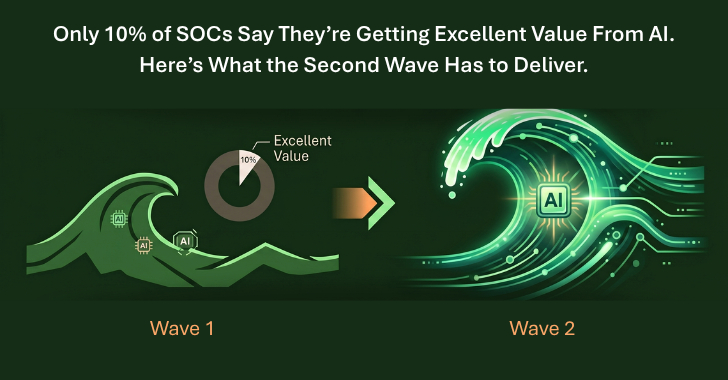
Over the past eighteen months, the integration of artificial intelligence (AI) into Security Operations Centers (SOCs) has transitioned from a novel concept to a fundamental component of cybersecurity strategies. Significant investments have been directed toward AI-driven security platforms, autonomous SOC tools, and AI co-pilots embedded within various layers of the security infrastructure. Despite this surge in adoption, a recent study reveals that only 10% of SOCs report deriving excellent value from their AI implementations, while a substantial 71% indicate receiving minimal to no value. This disparity underscores a critical need to reassess and refine AI deployment strategies within SOCs to bridge the existing maturity gap.
Insights from the SOC-CMM 2026 Maturity Report
The SOC-CMM 2026 Maturity Report, which surveyed approximately 200 SOCs across diverse regions, sectors, and operational models between January and March 2026, provides valuable insights into the current state of AI integration:
1. Widespread AI Adoption: The report highlights a significant uptick in AI adoption across various categories within SOCs:
– Off-the-shelf large language models saw a 55% year-over-year increase.
– AI co-pilots experienced a 145% growth.
– AI agents grew by 118%.
– Supervised machine learning adoption rose by 96%.
– Customized large language models increased by 64%.
This trend indicates a robust commitment to integrating AI technologies within SOCs.
2. Predominance of the ‘Taker’ Model: A significant majority (65%) of SOCs have adopted a ‘taker’ approach, implementing off-the-shelf AI solutions without substantial customization. In contrast, 20% are ‘shapers,’ customizing existing AI tools, and only 15% are ‘builders,’ developing AI models tailored to their specific data and needs. Notably, the ‘taker’ cohort reports the least value from their AI investments, suggesting that a lack of customization may hinder the effectiveness of AI tools.
3. Challenges in AI Integration: The report identifies two primary challenges that have intensified over the past year:
– Lack of Best Practices: There was a 17% increase in SOCs reporting a deficiency in established best practices for AI integration.
– Complexity in Maturity Advancement: An 11% rise was noted in the complexity associated with advancing SOC maturity levels.
These challenges suggest that while financial resources and executive support are available, there is a pressing need for clear guidance and strategies to effectively implement and utilize AI within SOCs.
Analyzing the Underperformance of Initial AI Deployments
The initial wave of AI tools in SOCs often manifested as supplementary features appended to existing security products. For instance, Security Information and Event Management (SIEM) systems incorporated AI for triage, Endpoint Detection and Response (EDR) tools added AI for investigations, and Security Orchestration, Automation, and Response (SOAR) platforms introduced AI-generated playbooks. While each of these AI enhancements functioned effectively in isolation, they frequently operated without integration, leading to several issues:
– Fragmented AI Assistants: Analysts found themselves interacting with multiple AI tools, each confined to its specific function without sharing context. This fragmentation resulted in inefficiencies and potential oversight of critical information.
– Lack of Contextual Awareness: AI agents dedicated to specific tasks lacked awareness of broader security contexts, such as recent threat intelligence updates or previous detection engineering decisions. This siloed approach diminished the overall effectiveness of AI in enhancing security operations.
Strategies for Enhancing AI Value in SOCs
To address these challenges and maximize the value derived from AI investments, SOCs should consider the following strategies:
1. Adopt a ‘Shaper’ or ‘Builder’ Approach: Moving beyond the ‘taker’ model by customizing existing AI tools or developing bespoke AI solutions can lead to more effective integration and utilization. Tailoring AI to align with specific organizational needs and data can enhance its relevance and impact.
2. Establish and Share Best Practices: Developing comprehensive guidelines and best practices for AI integration can provide SOCs with a clear roadmap, reducing uncertainty and facilitating smoother implementation processes.
3. Foster Interoperability Among AI Tools: Ensuring that AI tools are designed to communicate and share context with one another can create a more cohesive and efficient security operation. Integrated AI systems can provide a holistic view of threats and responses, enhancing overall security posture.
4. Invest in Continuous Training and Development: Providing ongoing education and training for SOC personnel on AI technologies and their applications can empower teams to leverage AI tools more effectively and adapt to evolving threats.
5. Implement Continuous Validation: Regularly testing and validating AI systems against real-world attack scenarios can ensure that detection rules remain effective and that AI tools are accurately identifying and responding to threats. This proactive approach can help maintain the relevance and efficacy of AI in dynamic threat landscapes.
Conclusion
The integration of AI into SOCs holds immense potential for enhancing cybersecurity operations. However, realizing this potential requires a strategic approach that emphasizes customization, best practices, interoperability, continuous training, and validation. By addressing the current maturity gap and implementing these strategies, SOCs can fully harness the capabilities of AI, leading to more effective threat detection, response, and overall security management.