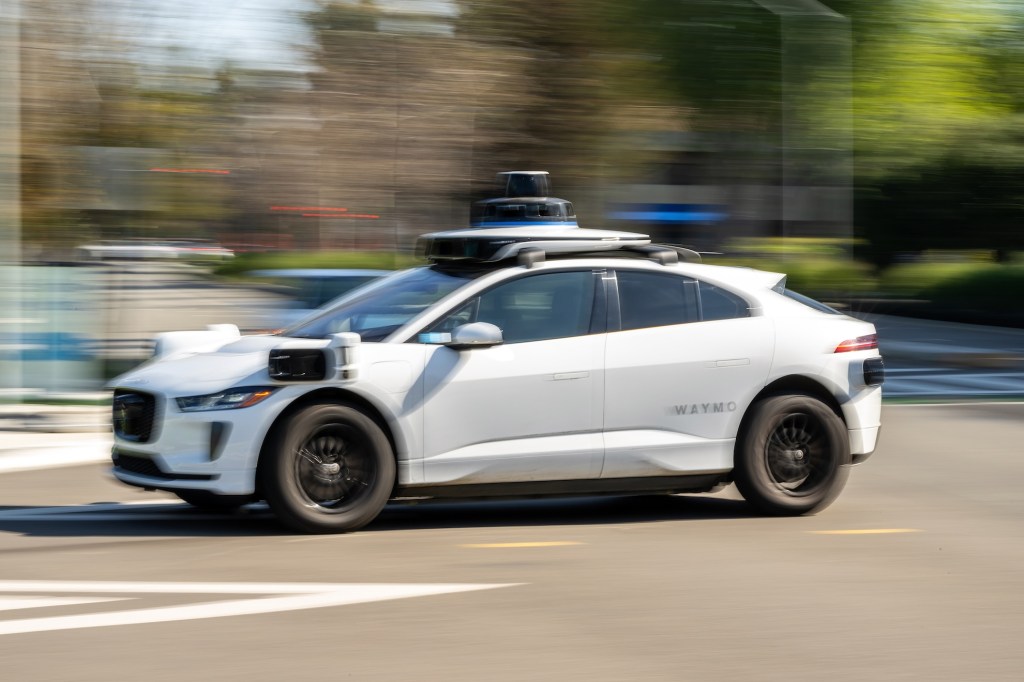
Burglar Exploits Waymo Robotaxi to Steal Yoga Apparel in San Francisco
In an unprecedented incident that challenges perceptions of autonomous vehicle security, a burglar utilized a Waymo robotaxi to commit theft at a San Francisco yoga studio in January 2026. Despite the advanced surveillance capabilities of these self-driving cars, the perpetrator remains at large, highlighting potential vulnerabilities in data retention and privacy protocols.
The Incident Unfolded
According to a report by the San Francisco Chronicle, the suspect hailed a Waymo robotaxi to Hot 8 Yoga, a popular studio in the city. Upon arrival, the individual entered the premises, stole yoga clothing, and departed using the same autonomous vehicle. The studio’s internal security cameras captured the theft, but identifying the suspect has proven challenging.
Data Retention and Privacy Measures
Waymo’s autonomous vehicles are equipped with multiple cameras and sensors designed to ensure passenger safety and vehicle navigation. These devices continuously record footage during operations. However, the duration for which this data is stored remains unclear. By the time law enforcement obtained a search warrant in April—three months post-incident—the relevant footage had been deleted, rendering it inaccessible for investigative purposes.
Furthermore, the exterior camera footage that could have potentially identified the suspect was intentionally blurred to protect individual privacy. This practice, while aligning with privacy standards, inadvertently hindered the identification process in this criminal case.
Challenges in Account Identification
In addition to video evidence, authorities sought to trace the suspect through Waymo’s ride-hailing account data. Despite obtaining this information via a search warrant, the details provided did not lead to the identification of the individual involved. This raises questions about the effectiveness of current data collection and sharing practices between autonomous vehicle companies and law enforcement agencies.
Broader Implications for Autonomous Vehicle Security
This incident underscores the complex balance between user privacy and security in the realm of autonomous transportation. While companies like Waymo implement measures to protect passenger confidentiality, these same protocols can impede criminal investigations. The case prompts a reevaluation of data retention policies and the extent to which surveillance footage should be accessible to law enforcement.
Historical Context of Autonomous Vehicle Incidents
San Francisco has been a focal point for various incidents involving autonomous vehicles. In February 2024, a Waymo robotaxi was vandalized and set ablaze in the city’s Chinatown neighborhood. The event highlighted public tensions surrounding the integration of self-driving cars into urban environments. Additionally, in July 2024, Waymo’s exterior cameras captured footage leading to the arrest of an individual charged with slashing the tires of 17 robotaxis. These events illustrate the dual role of autonomous vehicles as both potential targets and tools in criminal activities.
Waymo’s Expansion and Public Response
Despite these challenges, Waymo has continued to expand its services in San Francisco and beyond. In June 2024, the company removed its waitlist, allowing immediate access to its robotaxi services for all users in the city. This move aimed to increase accessibility and normalize the presence of autonomous vehicles. However, incidents like the yoga studio theft highlight the need for ongoing assessment of security measures and public trust.
Future Considerations
The exploitation of a Waymo robotaxi in the commission of a crime raises critical questions about the future of autonomous transportation. Companies must navigate the delicate balance between ensuring user privacy and providing sufficient data access for law enforcement when necessary. Establishing clear guidelines for data retention, access, and sharing will be essential in fostering public confidence and ensuring the safety and security of autonomous vehicle services.
Conclusion
The January 2026 theft involving a Waymo robotaxi serves as a pivotal case study in the evolving landscape of autonomous transportation. It emphasizes the need for comprehensive policies that address privacy concerns while enabling effective law enforcement collaboration. As autonomous vehicles become increasingly integrated into daily life, addressing these challenges will be paramount in realizing their full potential and ensuring public safety.