Apple Shifts Focus from Vision Pro to Smart Glasses Under New Leadership
In a significant strategic shift, Apple has decided to discontinue its Vision Pro headset line, redirecting its efforts toward the development of smart glasses. This decision comes as John Ternus prepares to assume the role of Apple’s CEO on September 1, 2026, succeeding Tim Cook, who will transition to Executive Chairman.
The Rise and Fall of Vision Pro
Apple’s Vision Pro, introduced in mid-2023, was heralded as the dawn of spatial computing, aiming to revolutionize user interaction with digital content. Despite its ambitious goals, the headset faced challenges from the outset. Priced at $3,499, the device was criticized for its high cost and substantial weight, making prolonged use uncomfortable for many users. Even with the October 2025 update that incorporated the M5 chip and a more comfortable band, the enhancements failed to significantly boost consumer interest. Reports indicated that Apple sold approximately 600,000 units, with a notably high return rate, signaling a disconnect between the product and market expectations.
Strategic Pivot to Smart Glasses
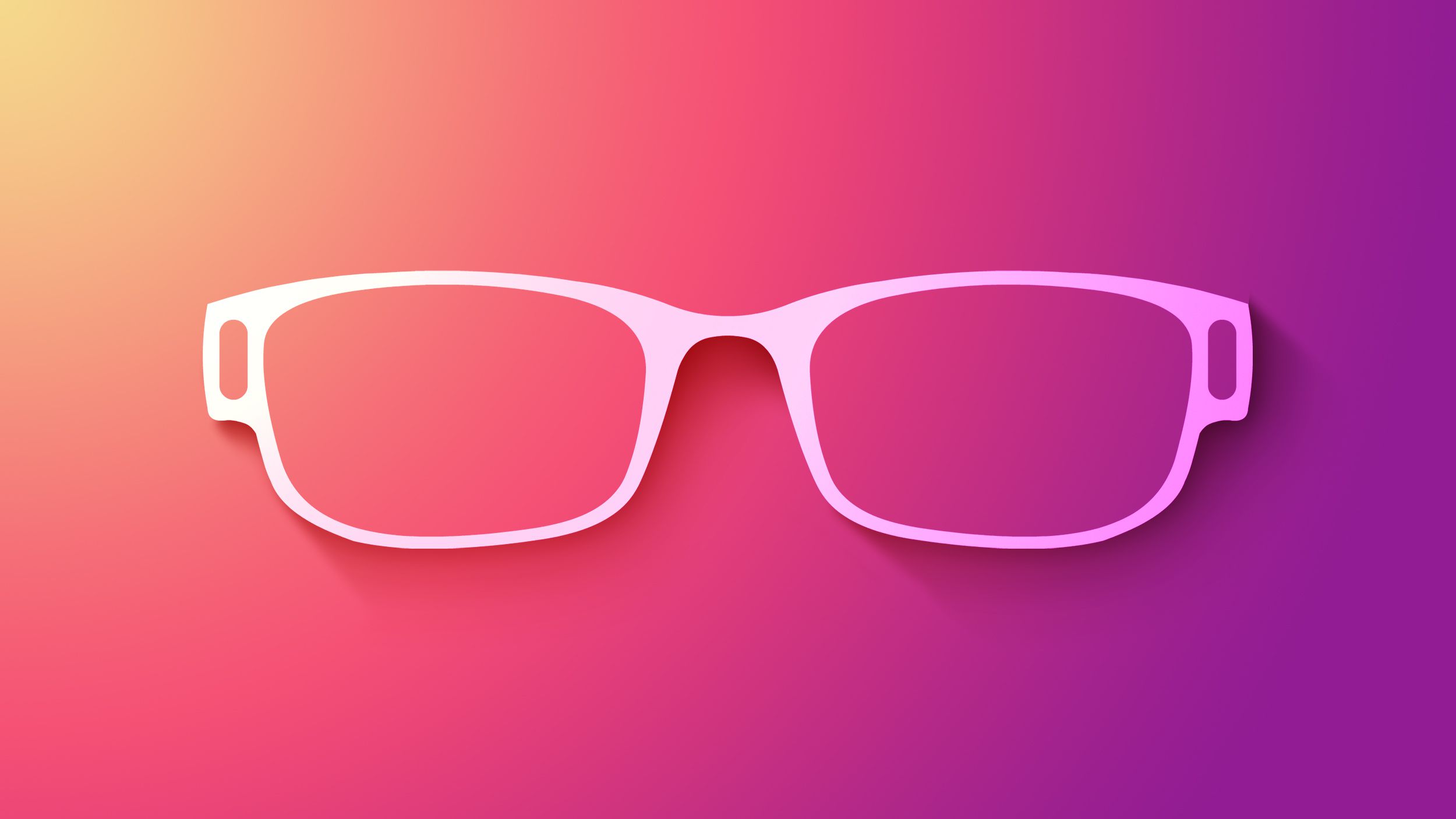
Recognizing the limitations and market reception of the Vision Pro, Apple has shifted its focus to developing smart glasses, a move that aligns with the company’s commitment to innovation and market responsiveness. According to renowned Apple analyst Ming-Chi Kuo, Apple is currently working on two smart glasses products:
1. AI Smart Glasses: Designed to compete directly with Meta’s AI-equipped Ray-Ban smart glasses, these will feature integrated cameras, microphones, and AI capabilities. The initial version is expected to lack an integrated display, focusing instead on audio and AI functionalities. Apple aims to introduce these glasses as early as next year, with a potential launch in 2027.
2. Augmented Reality (AR) Glasses: These will incorporate optical waveguides to overlay digital content onto the real world seamlessly. Unlike traditional displays, optical waveguides use transparent lenses to project images directly into the user’s field of vision, offering a more immersive AR experience. This technology is complex and requires significant development, with a projected release no earlier than 2029.
Implications of the Shift
The decision to halt the Vision Pro line and concentrate on smart glasses reflects a broader industry trend toward more lightweight, user-friendly wearable technology. Smart glasses offer the potential for everyday use without the bulk and discomfort associated with headsets like the Vision Pro. This pivot also positions Apple to better compete with companies like Meta, which have already made significant strides in the smart glasses market.
Industry Reactions and Future Outlook
Bloomberg’s Mark Gurman corroborates Kuo’s insights, noting that the Vision Air project—a lighter, more affordable version of the Vision Pro—was discontinued in October 2025. Gurman also mentions that while a Vision Pro 2 is in testing, the category is currently on ice, indicating no immediate plans for its release.
This strategic realignment suggests that Apple is prioritizing products with broader consumer appeal and practical applications. By focusing on smart glasses, Apple aims to integrate digital experiences more seamlessly into daily life, moving away from the niche market that the Vision Pro occupied.
Conclusion
Apple’s decision to discontinue the Vision Pro and invest in smart glasses development marks a significant shift in the company’s approach to wearable technology. Under the impending leadership of John Ternus, Apple appears committed to creating innovative products that align with consumer needs and market trends. As the company embarks on this new direction, the tech industry eagerly anticipates the impact of Apple’s smart glasses on the market and how they will redefine user interaction with digital content.