Apple’s Vision Product Roadmap Overhauled: Focus Shifts to Smart Glasses Under John Ternus
Apple’s strategic direction for its Vision product line has undergone a significant transformation, with the company now concentrating on the development of two smart glasses projects. This shift, reportedly approved by John Ternus, Apple’s Senior Vice President of Hardware Engineering and anticipated successor to CEO Tim Cook, marks a departure from the previously expansive lineup of head-mounted wearable devices.
A Streamlined Vision: From Seven to Two
In 2025, renowned analyst Ming-Chi Kuo detailed Apple’s ambitious plans, which included seven head-mounted wearable products. Among these, the M5-powered Vision Pro successfully launched, but subsequent developments have led to a consolidation of the product roadmap. Kuo now reports that Apple has narrowed its focus to two primary smart glasses initiatives:
1. Display-Free AI Smart Glasses: Scheduled for a 2027 release, these glasses are designed to integrate artificial intelligence capabilities without the inclusion of traditional displays.
2. Advanced AR/XR Smart Glasses: Utilizing optical waveguide technology, this augmented and extended reality device is projected for a 2029 launch, offering immersive experiences through sophisticated display systems.
This strategic realignment suggests a prioritization of products with broader consumer appeal and practical applications, potentially enhancing user adoption rates.
Leadership and Strategic Decisions
The approval of this revised roadmap by John Ternus underscores his influential role in shaping Apple’s hardware strategy. As the head of hardware engineering and a key figure in Apple’s leadership team, Ternus’s decisions are pivotal in steering the company’s product development trajectory. His endorsement of the streamlined focus on smart glasses indicates a commitment to innovation aligned with market demands and technological feasibility.
Implications for the Vision Pro Series
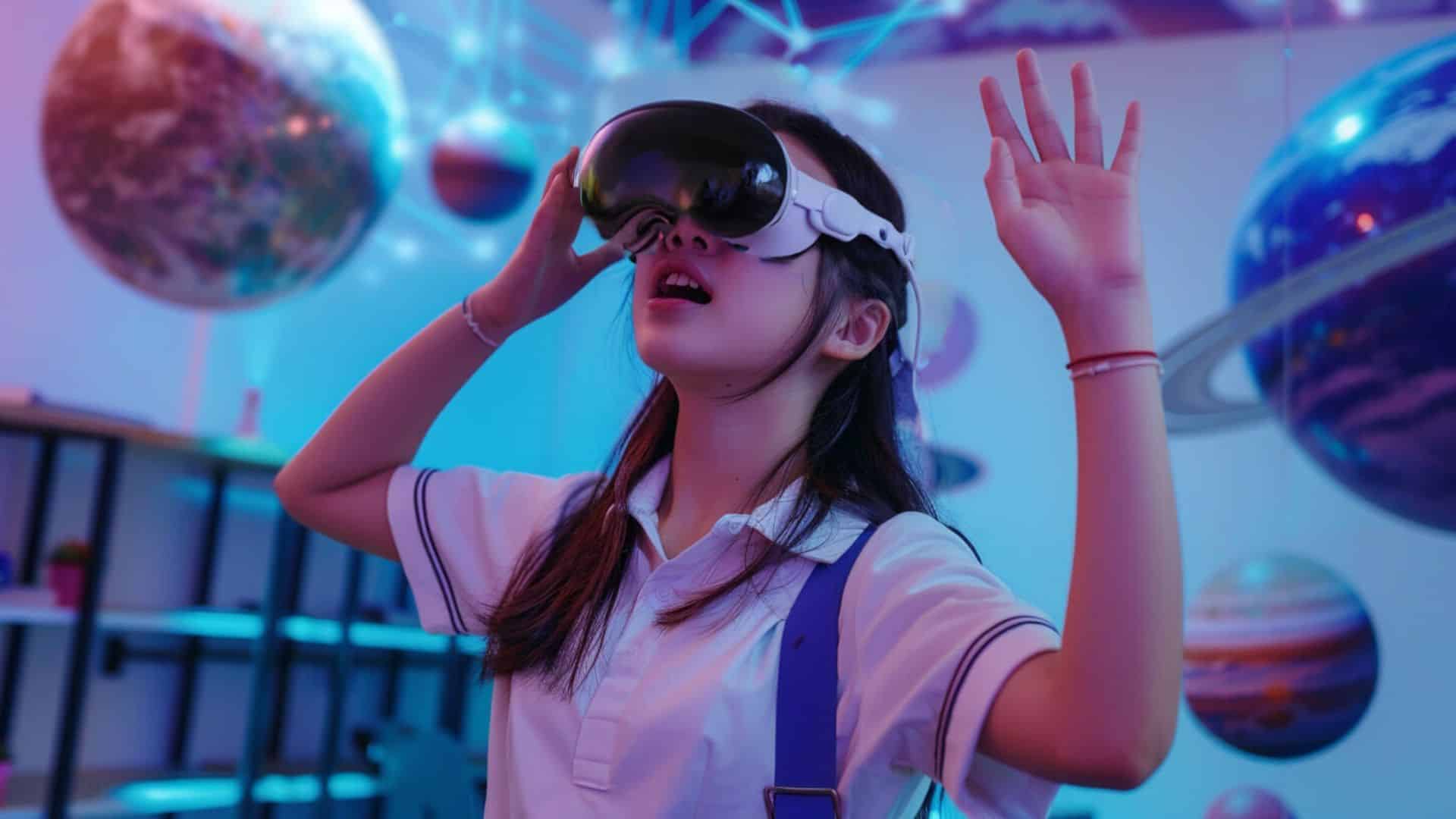
Notably absent from the updated roadmap is any mention of a successor to the Vision Pro. This omission raises questions about the future of the high-end headset, especially considering its premium price point of $3,499. However, conflicting reports from other industry experts, such as Mark Gurman, suggest that Apple may still be developing a lighter and more affordable version of the Vision Pro, potentially slated for release in 2028 or 2029. This indicates that while the immediate focus is on smart glasses, the Vision Pro line may not be entirely phased out.
Market Dynamics and Consumer Focus
Apple’s decision to concentrate on smart glasses reflects a strategic response to evolving market dynamics and consumer preferences. The development of display-free AI glasses and advanced AR/XR devices aligns with the growing interest in wearable technology that offers seamless integration into daily life without the bulkiness associated with traditional headsets. By focusing on these products, Apple aims to capture a broader audience seeking innovative yet practical wearable solutions.
Looking Ahead: Anticipation Builds for WWDC Announcements
The upcoming Worldwide Developers Conference (WWDC) is expected to shed more light on Apple’s vision for spatial computing and wearable technology. Attendees and industry observers anticipate announcements regarding new visionOS updates and further insights into the company’s strategic direction. These developments will be crucial in understanding how Apple plans to navigate the competitive landscape of wearable technology and maintain its position as a leader in innovation.
Conclusion
Apple’s revised Vision product roadmap, emphasizing the development of smart glasses, signifies a strategic pivot aimed at aligning with consumer trends and technological advancements. Under the guidance of John Ternus, the company is poised to introduce products that blend functionality with user-centric design, potentially setting new standards in the wearable technology market. As the industry awaits further announcements, Apple’s commitment to innovation and adaptability remains evident.