Apple Refocuses Vision Projects Under CEO John Ternus
Apple’s strategic direction in head-mounted hardware is undergoing significant changes under the leadership of incoming CEO John Ternus. Recent reports indicate that the company has discontinued the Vision Air and Display Glasses projects, signaling a shift in its approach to wearable technology.
The Apple Vision Pro was initially introduced as a pioneering platform aimed at establishing Apple’s dominance in the augmented reality (AR) and virtual reality (VR) markets. However, according to analyst Ming-Chi Kuo, the company’s roadmap for headsets and smart glasses has been substantially revised. Kuo acknowledged that his previous projections are now outdated, with the product lineup being streamlined to focus on two primary smart glasses initiatives.
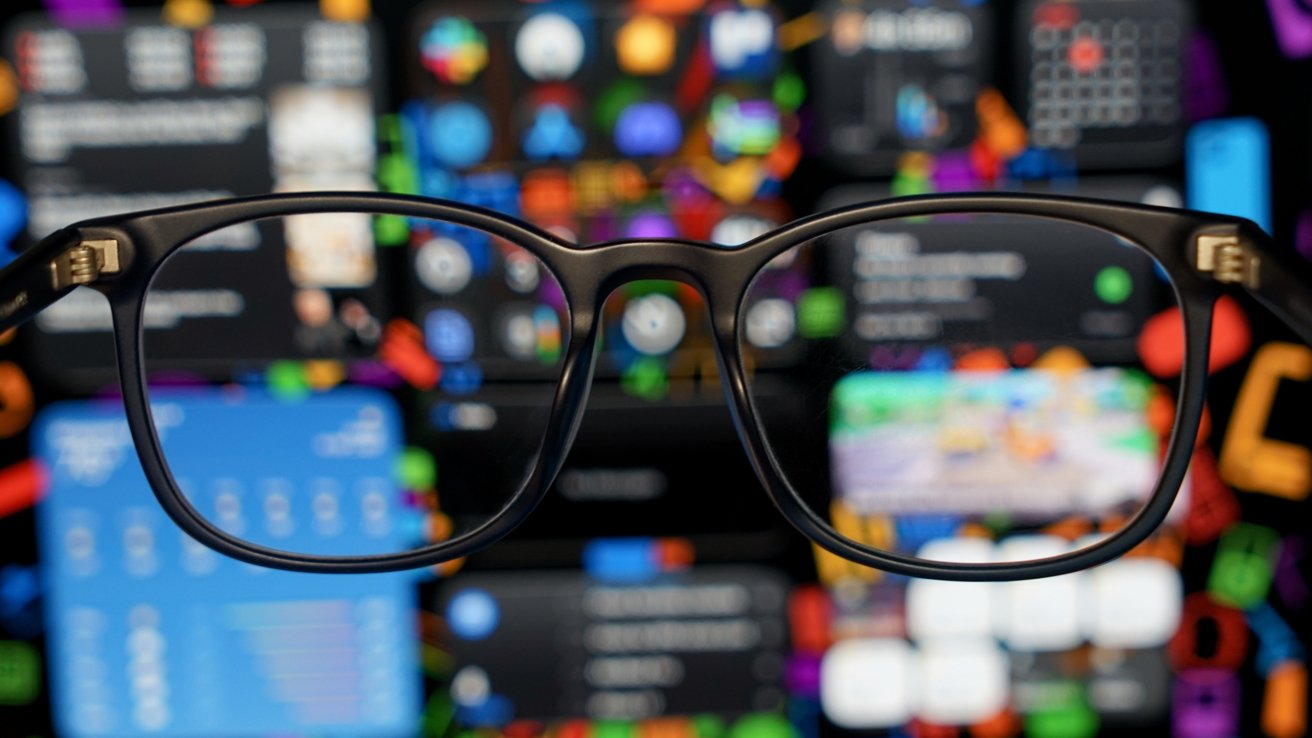
Bloomberg’s Mark Gurman corroborated this development, revealing that the Vision Air project was terminated in October 2025, followed by the cessation of the Display Glasses project in January 2025. This strategic pruning leaves Apple concentrating on two key smart glasses projects: AI Glasses, anticipated for release by the end of 2027, and the more advanced AR smart glasses, referred to as Apple Glass, expected by the decade’s end.
John Ternus, who is set to assume the role of Apple CEO on September 1, 2026, has been instrumental in these strategic decisions. Ternus, a veteran at Apple since 2001, has held various positions, including Senior Vice President of Hardware Engineering. His leadership has been pivotal in the development of major products such as the iPad, iPhone 12, and AirPods. In January 2026, Ternus expanded his responsibilities to oversee Apple’s design teams, further solidifying his influence over the company’s product development strategies.
The restructuring of Apple’s hardware projects under Ternus’s guidance reflects a broader organizational shift. In April 2026, Johny Srouji, Apple’s Chief Hardware Officer, reorganized the hardware division into five distinct areas, each led by dedicated leaders. This reorganization aims to enhance focus and efficiency within the hardware engineering teams.
Despite the discontinuation of certain projects, Apple remains committed to the development of its Vision Pro product line. Reports suggest that while the Vision Products Group has been integrated into other divisions, the development of Apple Vision Pro continues unabated. This indicates that Apple is not abandoning its ambitions in the AR and VR sectors but is instead refining its approach to better align with market demands and technological advancements.
The decision to terminate the Vision Air and Display Glasses projects may be attributed to various factors, including market readiness, technological challenges, and strategic realignment. By focusing on the AI Glasses and Apple Glass projects, Apple appears to be concentrating its resources on products with the highest potential for success in the evolving wearable technology landscape.
The AI Glasses, slated for a 2027 release, are expected to integrate advanced artificial intelligence capabilities, offering users a seamless and intuitive experience. These glasses are anticipated to function as an AI companion, providing contextual information and assistance without the need for a traditional display. Instead, they will utilize audio interaction and environmental awareness to deliver information, marking a departure from conventional AR devices.
The Apple Glass, projected for release by the end of the decade, aims to offer a full-fledged AR experience. This device is expected to overlay digital information onto the physical world, enhancing user interaction with their environment. The development of Apple Glass signifies Apple’s long-term commitment to AR technology and its potential applications across various sectors.
John Ternus’s leadership is characterized by a pragmatic approach to product development, emphasizing quality and user experience over rapid expansion. His decisions to streamline Apple’s wearable projects reflect a strategic focus on delivering products that align with the company’s core values and market expectations.
As Apple continues to navigate the competitive landscape of wearable technology, the company’s ability to adapt and refine its product offerings will be crucial. The focus on AI Glasses and Apple Glass suggests a deliberate strategy to position Apple as a leader in the next generation of wearable devices, leveraging its expertise in hardware and software integration.
In conclusion, under the impending leadership of John Ternus, Apple is recalibrating its approach to head-mounted hardware. By discontinuing certain projects and concentrating on AI Glasses and Apple Glass, the company aims to deliver innovative and user-centric products that resonate with consumers and set new standards in the wearable technology industry.