Ferrari’s Luce: A Bold Leap into the Electric Future Amidst Controversy
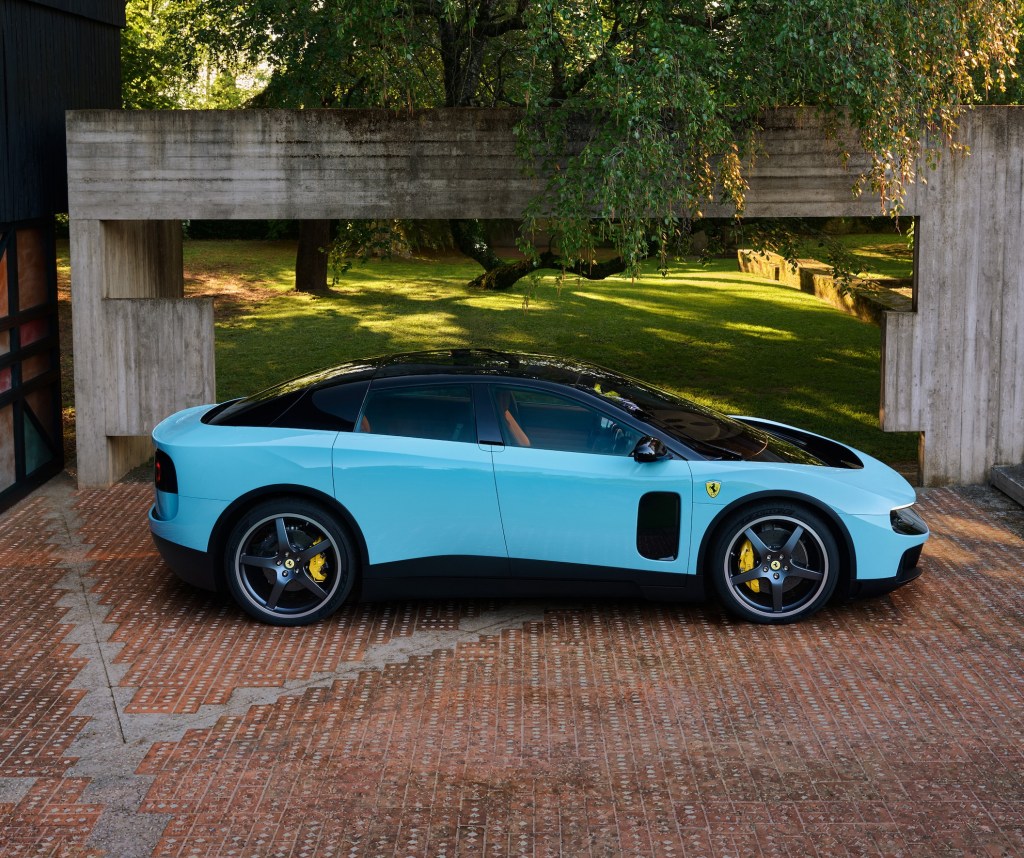
Ferrari’s unveiling of its first all-electric vehicle, the Luce, has ignited a firestorm of reactions across the automotive world. Designed by renowned Apple veteran Jony Ive, this five-seater EV carries a hefty price tag nearing $650,000. The Luce’s debut has been met with a spectrum of responses, from fervent criticism to cautious optimism.
Design and Performance: A Departure from Tradition
The Luce’s design marks a significant departure from Ferrari’s traditional aesthetics. Its wedge-shaped silhouette has drawn comparisons to more modest vehicles like the Nissan Leaf, leading to a flurry of memes and critiques. Lucid’s design chief, Derek Jenkins, even offered a subtle jab at the design. Despite the polarized opinions, the Luce boasts impressive performance metrics: a 1,000-horsepower output and acceleration from 0 to 60 mph in just over two seconds.
Target Audience: Existing Loyalists or New Enthusiasts?
A pivotal question arises: Who is the Luce intended for? Historically, Ferrari’s clientele is characterized by brand loyalty, with over 80% of the 14,000 buyers last year already owning a Ferrari. This raises the question of whether the Luce is aimed at this existing base or designed to attract a new demographic. Ferrari CEO Benedetto Vigna asserts that the Luce has garnered interest from both longstanding patrons and newcomers, indicating a strategic move to broaden the brand’s appeal.
Market Strategy: Learning from the Purosangue Experience
Ferrari’s approach with the Luce mirrors its strategy with the Purosangue SUV, which faced initial skepticism but eventually achieved commercial success. This suggests that Ferrari is willing to challenge conventional expectations, banking on the strength of its brand and the allure of exclusivity to drive demand.
Regulatory Landscape: Autonomous Vehicles in Texas
Shifting gears to autonomous vehicles, Texas has introduced legislation granting its Department of Motor Vehicles greater oversight over AV testing and deployment. Companies are now required to license their AVs in the state, with data made publicly accessible. Current records show Waymo leading with 577 registered AVs, followed by Avride with 317, Nuro with 47, and Tesla with 42. Notably, no complaints have been filed against these companies to date, reflecting a relatively smooth integration of AVs into the state’s transportation ecosystem.
Industry Movements: Mergers and Acquisitions
The mobility sector is witnessing significant consolidation:
– Ryde Technology: European e-scooter operator Ryde Technology has seen a majority stake acquisition by a single asset fund managed by Equip Capital, with Goldman Sachs Alternatives leading the investment.
– LiveWire and Dust Moto: Harley-Davidson’s electric motorbike spinoff, LiveWire, has acquired electric off-road startup Dust Moto, though financial details remain undisclosed.
– Matternet: The autonomous drone delivery company raised $33 million through a private placement offering and completed a reverse merger with Los Altos Ventures Corp.
– Revel and Voltera: EV charging company Revel is merging with Voltera, with the combined entity operating under the Voltera brand and led by Revel CEO Frank Reig.
– Stark: The German drone manufacturer is in discussions to raise at least €300 million, potentially doubling its valuation to €2.5 billion.
– Volara Motorsports Group and Lynx Motor Works: Volara Motorsports Group has acquired Lynx Motor Works, an Austin-based company specializing in limited-production, reimagined classic vehicles.
– WeRoad: The Milan-based group adventure travel startup secured $58 million in a Series C round led by Airbnb, bringing its total capital raised to approximately $100 million and supporting its expansion into the U.S. market, starting with Austin.
Noteworthy Developments:
– American Airlines and Starlink: American Airlines plans to install Starlink on over 500 narrow-body Airbus aircraft beginning early next year, enhancing in-flight Wi-Fi services.
– Rivian: The EV manufacturer is set to begin deliveries of its new R2 SUV on June 9. Concurrently, the National Highway Traffic Safety Administration is investigating Rivian’s servicing of rear suspension components.
– Slate Auto: The company is expected to announce pricing and commence nonrefundable preorders for its low-cost electric vehicle on June 24, with deliveries anticipated later this year.
– Volvo Cars: The automaker received authorization from the Commerce Department to continue importing and selling its vehicles in the U.S., despite recent regulations restricting Chinese vehicles due to concerns over connected car technology.
– Waymo: The company has begun offering select riders in Los Angeles, Phoenix, and San Francisco access to its newest robotaxi, an all-electric, minivan-like vehicle designed to reduce costs and withstand extensive use.
Community Engagement:
In light of the diverse opinions surrounding the Ferrari Luce, TechCrunch Mobility invites readers to share their perspectives through polls and discussions, fostering a dynamic dialogue on the evolving landscape of electric vehicles and automotive innovation.