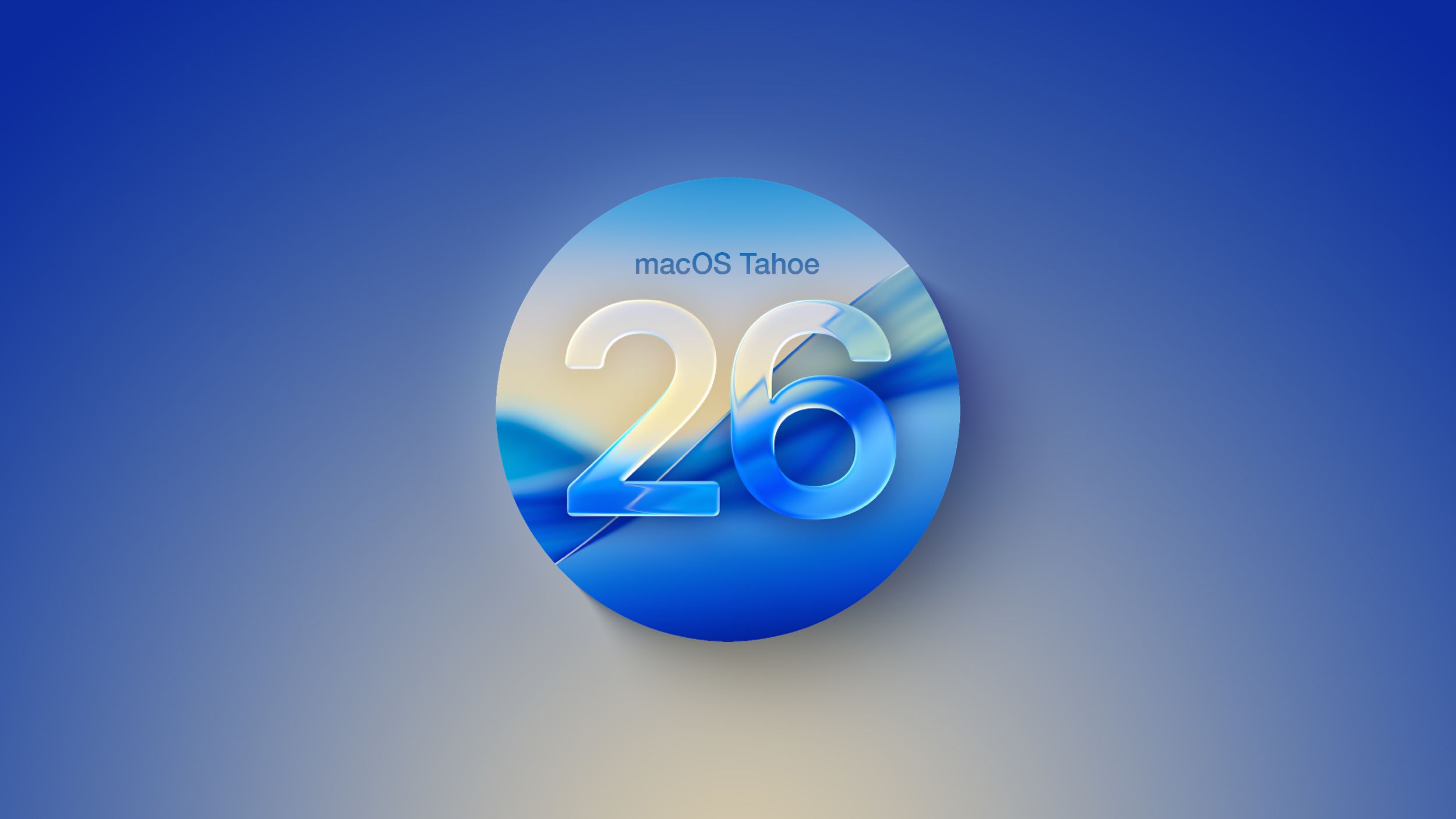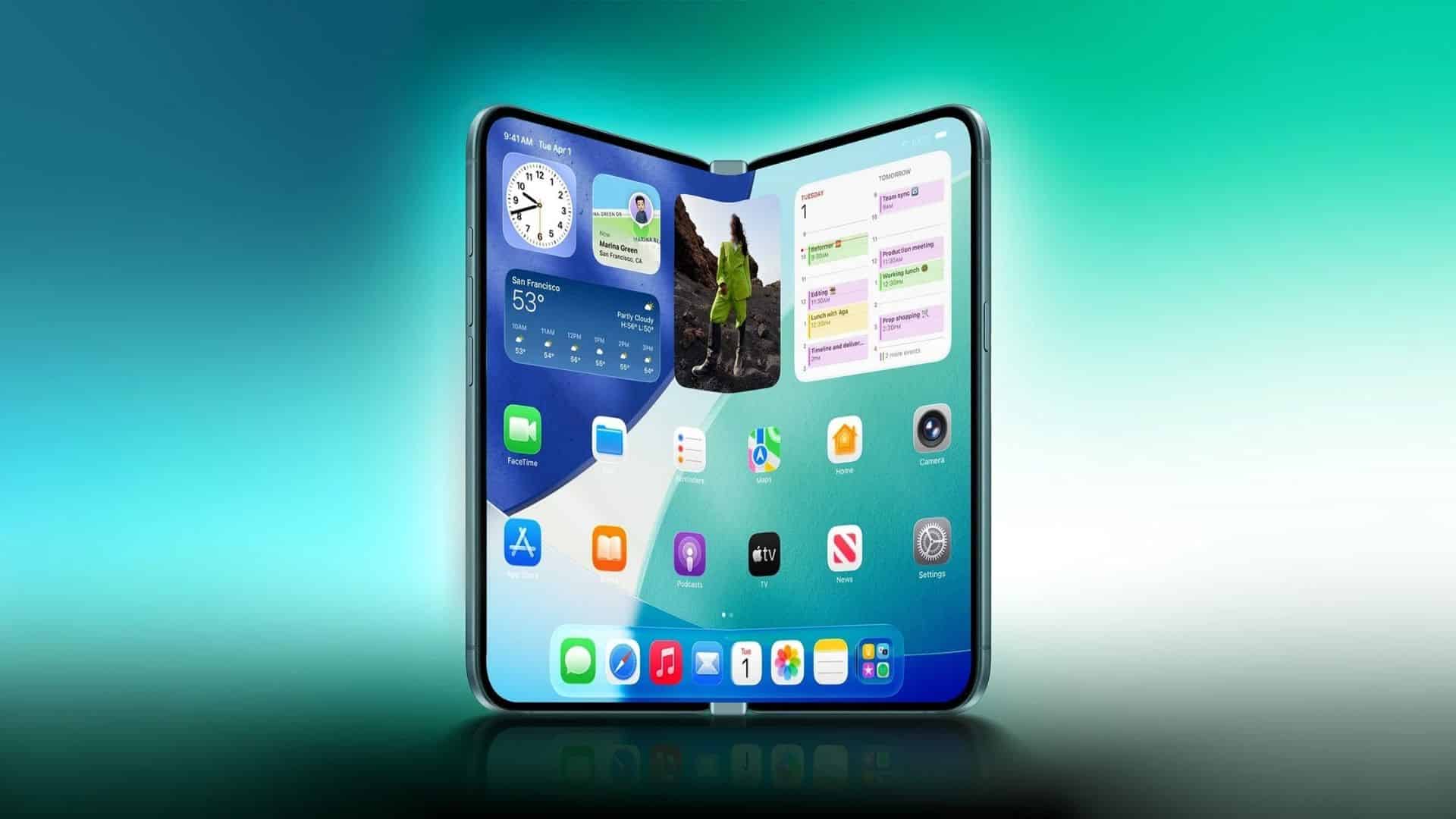
Apple’s Early Development of iOS 28 and macOS 28: A Glimpse into the Future
Apple Inc., renowned for its innovative technology and seamless integration of hardware and software, is already in the early stages of developing its 2027 operating system updates, including iOS 28, iPadOS 28, and macOS 28. This proactive approach underscores Apple’s commitment to staying ahead in the tech industry by meticulously planning and executing its software development cycles.
Early Development Stages
According to insights from Bloomberg’s Power On newsletter by Mark Gurman, Apple’s software engineering teams have commenced work on the 2027 operating system updates. At this juncture, the focus is on developing individual features, applications, and enhancements. The process of integrating these components into cohesive operating systems has yet to begin, providing the teams with ample time to refine and perfect the software before its anticipated unveiling at the Worldwide Developers Conference (WWDC) in 2027.
Internal Codenames and Development Culture
Apple’s internal codenaming conventions offer a glimpse into its development culture. The iOS and iPadOS 28 updates are internally referred to as Bell, while macOS 28 carries the codename Poppy. Employees have creatively combined these names into the portmanteau Boppy to refer to the 2027 releases collectively. This practice is not new; for instance, the 2026 generation featured iOS and iPadOS 27 codenamed Rave and macOS 27 as Fizz, leading to the combined nickname Rizz.
Strategic Planning and Long-Term Vision
Apple’s proactive development strategy is a testament to its long-term vision and dedication to delivering high-quality products. By initiating work on future operating systems well in advance, Apple ensures that each release is thoroughly tested and refined, maintaining the company’s reputation for reliability and innovation.
Implications for Developers and Users
For developers, early awareness of upcoming operating system updates allows for better planning and adaptation of applications to new features and standards. Users can anticipate continued enhancements in performance, security, and functionality, reflecting Apple’s ongoing commitment to improving user experience across its devices.
Conclusion
Apple’s early development of iOS 28 and macOS 28 highlights the company’s strategic foresight and dedication to innovation. By planning years ahead, Apple not only stays competitive in the rapidly evolving tech landscape but also ensures that its products continue to meet and exceed user expectations.