Apple’s iPhone 18 Pro to Feature Advanced Variable Aperture Lens Amid Rising Costs
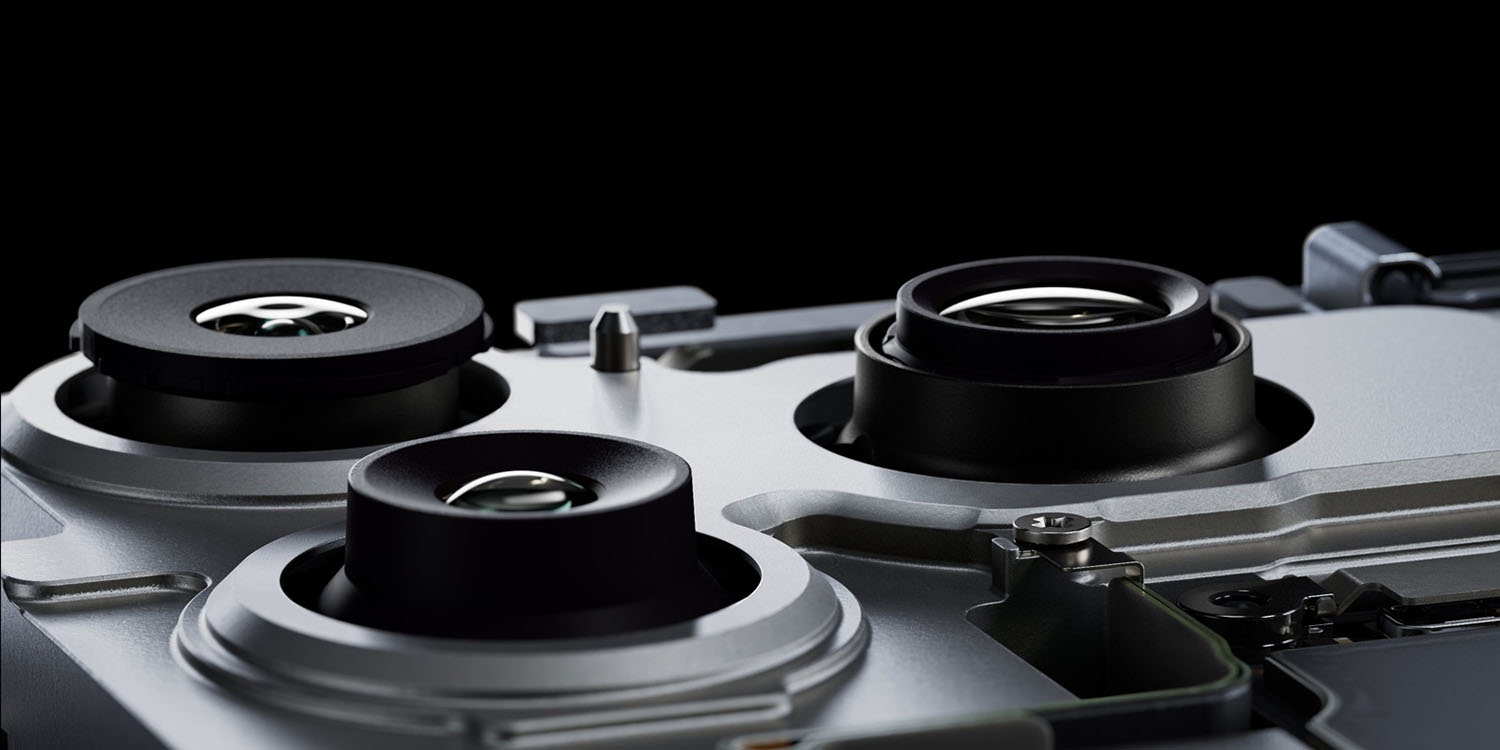
Apple is poised to introduce a significant enhancement to its iPhone 18 Pro’s camera system with the integration of a variable aperture lens. This advancement is expected to elevate the device’s photographic capabilities, offering users greater control over depth of field and improved performance in diverse lighting conditions. However, this technological leap comes with a notable increase in component costs, presenting potential challenges for the company’s pricing strategy.
Introduction of Variable Aperture Lens in iPhone 18 Pro
The forthcoming iPhone 18 Pro is set to debut a variable aperture main camera, a departure from the fixed-aperture designs of previous models. This feature allows the camera to adjust the size of its aperture, thereby controlling the amount of light that reaches the sensor. Such adaptability is particularly beneficial for photographers seeking to manipulate depth of field—achieving a blurred background effect or ensuring sharpness throughout the image—as well as enhancing image quality in varying lighting scenarios.
Cost Implications and Supplier Dynamics
Renowned analyst Ming-Chi Kuo has highlighted that the new variable aperture lens will be approximately 50% more expensive than the current high-end 7P lens systems utilized by Apple. This substantial cost increase is attributed to the complexity and precision required in manufacturing variable aperture mechanisms.
To meet the demand for these advanced components, Apple plans to diversify its supplier base. Sunny Optical is expected to provide 40-50% of the variable aperture lenses, marking a significant role in Apple’s supply chain. Largan Precision will continue to serve as the primary supplier, ensuring a steady production flow and maintaining quality standards.
Potential Impact on iPhone Pricing
While the introduction of a variable aperture lens represents a significant technological advancement, it also raises questions about the potential impact on the retail price of the iPhone 18 Pro and iPhone 18 Pro Max. The increased component costs coincide with rising memory prices, exerting additional pressure on Apple’s profit margins. The company faces the challenge of balancing these elevated production expenses without passing the burden onto consumers through higher device prices.
Future Developments: Ultra-Wide Camera Module Redesign
Looking beyond the iPhone 18 Pro, Apple is reportedly planning a redesign of the ultra-wide camera module for its 2028 iPhone models. The company intends to transition from the current flip-chip packaging method to an improved chip-on-board (COB) design. This shift aims to enhance the performance and reliability of the ultra-wide camera, though specific details regarding the improvements remain undisclosed.
Sunny Optical is anticipated to play a pivotal role in supplying components for this new ultra-wide camera module, further solidifying its position within Apple’s network of suppliers.
Conclusion
Apple’s commitment to advancing its iPhone camera technology is evident in the planned introduction of a variable aperture lens in the iPhone 18 Pro. This feature promises to offer users enhanced photographic capabilities, aligning with the company’s focus on delivering high-quality imaging experiences. However, the associated increase in component costs presents a strategic challenge for Apple as it seeks to maintain its pricing structure amidst rising production expenses. Additionally, the planned redesign of the ultra-wide camera module for future iPhone models underscores Apple’s ongoing efforts to innovate and improve its product offerings.