Fitbit Air: A Minimalist Fitness Tracker with Room for AI Improvement
Google’s latest venture into the fitness wearable market, the Fitbit Air, marks a significant departure from traditional smartwatches by offering a screenless, minimalist design aimed at users seeking a distraction-free health tracking experience. Priced at an accessible $99.99, the Fitbit Air positions itself as a direct competitor to devices like Whoop, catering to individuals overwhelmed by the constant presence of screens in their daily lives.
Design and Comfort
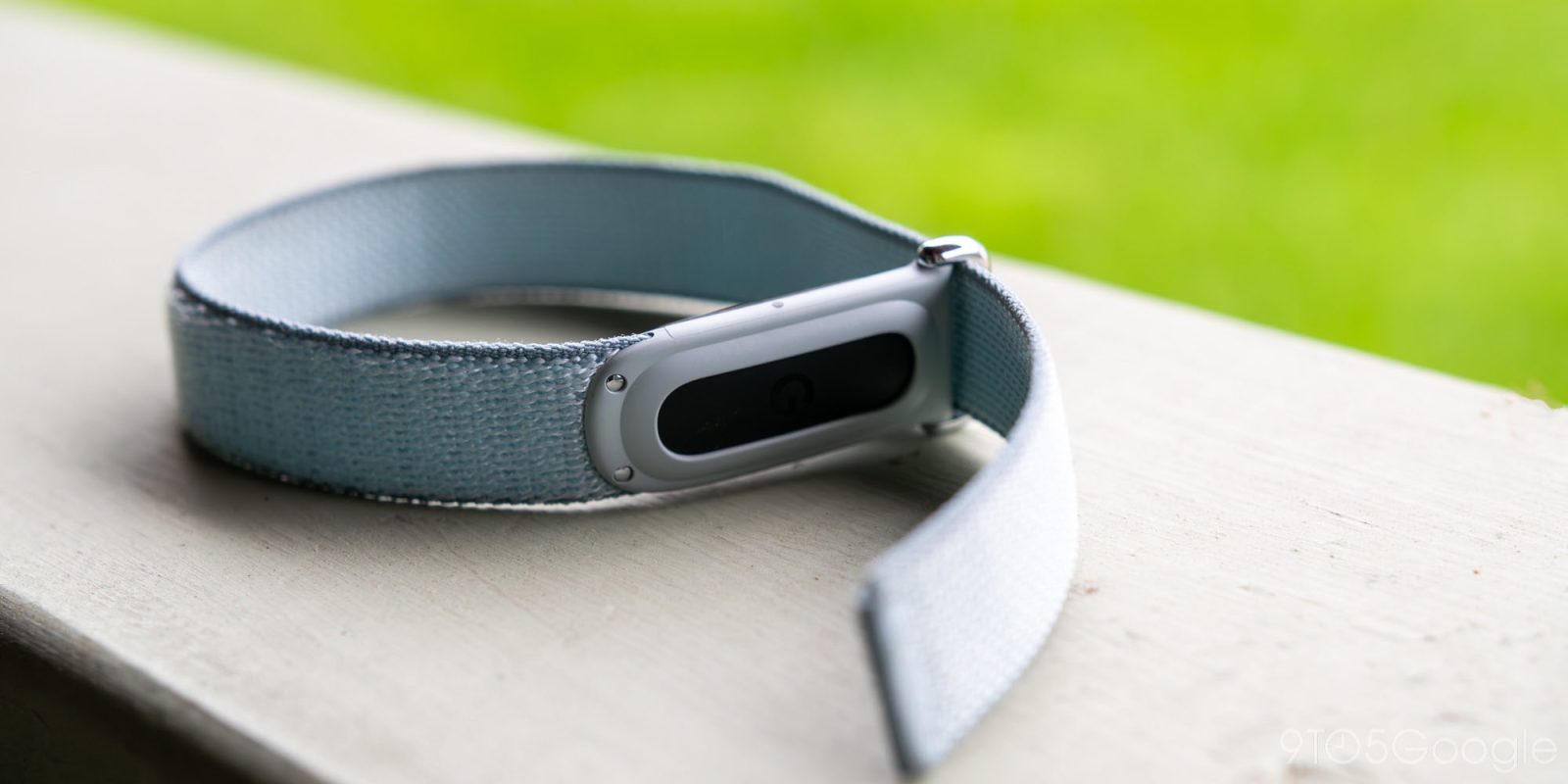
The Fitbit Air’s core component, a lightweight, pebble-shaped module, is engineered for comfort and ease of use. Its rounded edges and compact form factor ensure it remains unobtrusive during daily activities and sleep. The device seamlessly integrates with various bands, allowing users to customize their wearables to suit different occasions.
However, the design isn’t without its flaws. The lack of a physical guide to ensure correct orientation when inserting the module into the band can lead to user errors. The only indication of incorrect placement is the absence of the battery indicator light, which is visible only when the module is correctly aligned. A more intuitive design feature to prevent misalignment would enhance the user experience.
Band Options
Google offers three distinct band styles for the Fitbit Air:
– Performance Band: Included with the device, this polyester band is lightweight and comfortable, making it suitable for both daily wear and workouts. Its quick-drying material is ideal for users with active lifestyles.
– Active Band: Crafted from silicone, this band is intended for intense physical activities. However, its lack of breathability and absence of ventilation holes can cause discomfort during prolonged use, especially in warm conditions.
– Elevated Band: Designed for formal settings, this band aims to provide a more sophisticated appearance. Despite its intentions, the band falls short in comfort and ease of use, with a cumbersome clasp mechanism that may frustrate users.
For most users, the default Performance Band strikes the best balance between comfort, functionality, and style.
Battery Life and Charging
One of the standout features of the Fitbit Air is its impressive battery life. Google claims up to a week of usage on a single charge, and real-world testing supports this assertion. After seven days of continuous wear, the device retained 16% battery life, sufficient to last through the night. Charging is efficient, with the device reaching nearly 80% capacity in under 30 minutes, ensuring minimal downtime.
Health Tracking Capabilities
Despite its minimalist design, the Fitbit Air is equipped with a comprehensive suite of sensors to monitor various health metrics:
– Optical Heart Rate Monitor: Provides continuous heart rate tracking, offering insights into cardiovascular health.
– 3-Axis Accelerometer and Gyroscope: Tracks movement and orientation, enabling accurate activity and sleep monitoring.
– Red and Infrared Sensors: Measure oxygen saturation (SpO2) levels, which can be indicative of respiratory health.
– Device Temperature Sensor: Monitors skin temperature variations, potentially identifying early signs of illness or changes in health status.
These sensors collectively deliver a holistic view of the user’s health, encompassing heart rate variability, activity levels, sleep patterns, and more.
Integration with Google Health and AI Health Coach
The Fitbit Air serves as the launch platform for Google’s new Health Coach, an AI-driven feature available through the Google Health app. For a subscription fee of $10 per month, Health Coach analyzes the user’s fitness data to provide personalized recommendations on diet, sleep, rest, and exercise routines.
While the concept of an AI-powered health advisor is promising, the execution has room for improvement. Users have reported instances where the Health Coach provided generic or inaccurate advice, sometimes referred to as hallucinations in AI parlance. This suggests that the AI algorithms require further refinement to deliver reliable and personalized guidance.
Compatibility with Other Devices
An advantage of the Fitbit Air is its compatibility with other Google wearables, such as the Pixel Watch. Users can alternate between devices based on their activities, with health data seamlessly synchronized across the Google Health app. This flexibility allows for continuous health monitoring without redundancy.
Conclusion
The Fitbit Air stands out as a commendable entry into the fitness tracker market, offering a minimalist design, comprehensive health monitoring features, and exceptional battery life at an affordable price point. However, the AI Health Coach component requires further development to fulfill its potential as a reliable personal health advisor. For users seeking a straightforward, screen-free fitness tracker, the Fitbit Air is a compelling option, provided they temper expectations regarding the current state of its AI capabilities.