Proactive SOC Strategies to Mitigate Incident Risks Early
In today’s cybersecurity landscape, threats often infiltrate organizations subtly, masquerading as routine activities and embedding themselves within legitimate processes. This evolution necessitates a shift in the Security Operations Center’s (SOC) approach—from merely detecting attacks to actively minimizing the accumulation of operational uncertainties that can escalate into significant disruptions.
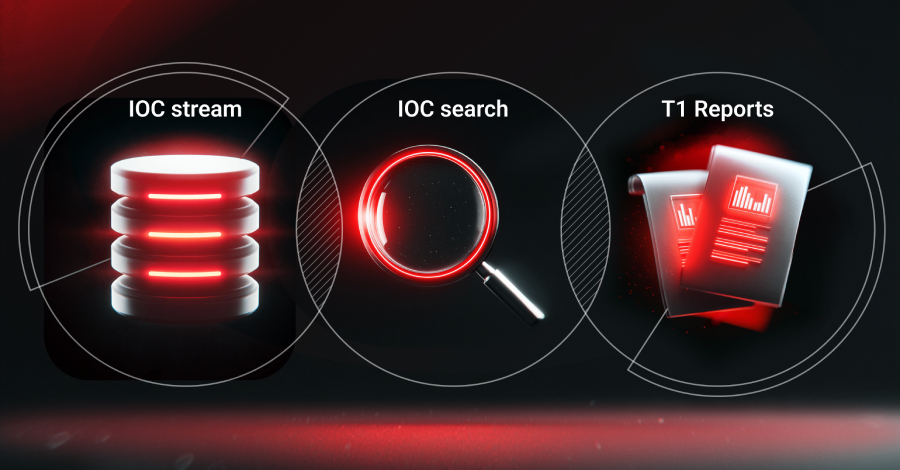
To effectively mitigate incident risks before they escalate, SOCs should focus on three critical strategies:
1. Continuous Enhancement of Threat Detection Systems
The efficacy of a SOC’s detection capabilities is directly tied to the currency and relevance of its threat intelligence. Relying on outdated indicators of compromise (IOCs) leaves organizations vulnerable to new attack vectors that exploit these gaps. Integrating real-time threat intelligence feeds into existing security infrastructures—such as Security Information and Event Management (SIEM) systems, firewalls, and Endpoint Detection and Response (EDR) platforms—ensures that detection mechanisms are consistently updated. This proactive approach enables SOCs to:
– Identify emerging threats promptly.
– Detect malicious infrastructures before they can cause harm.
– Minimize monitoring blind spots.
– Automate detection updates, reducing the manual workload on analysts.
Business Impact: Maintaining up-to-date monitoring systems decreases the likelihood of undetected attacker dwell time, thereby reducing risks such as operational disruptions, ransomware incidents, compliance violations, supply chain attacks, and costly incident recovery processes.
2. Augmenting Alerts with Comprehensive Context for Swift Decision-Making
A significant challenge within SOC operations is not merely the volume of alerts but the lack of complete context accompanying them. Incomplete information can lead to delays in triage and decision-making. Providing analysts with immediate access to a robust, continuously updated intelligence database allows for rapid investigation of various artifacts, including:
– IP addresses
– Domains
– URLs
– File hashes
– Processes
– Mutexes
– Registry keys
This access provides insights into related malware families, network behaviors, execution chains, detection labels, and associated infrastructures, delivering investigation-ready context within seconds.
Business Impact: Enhancing alerts with comprehensive context leads to:
– Reduced triage times.
– Lower false positive rates.
– Increased capacity for Tier 1 teams to manage higher volumes without compromising quality.
– Accelerated response to critical alerts, ensuring they are promptly addressed amidst the noise.
3. Providing Actionable Reports to Streamline Investigations
Identifying a threat is only part of the challenge; translating technical findings into actionable response steps is crucial. Delays often occur when teams must manually prepare reports for various stakeholders, including security engineers, incident responders, management, and compliance officers. Automating the generation of structured analysis reports that include:
– Detailed investigation findings.
– AI-generated summaries.
– Visual execution chains.
– Extracted IOCs.
– Behavioral insights.
This approach ensures that both technical and non-technical stakeholders can quickly comprehend the threat without waiting for manual documentation.
Business Impact: Providing response-ready reports reduces escalation friction and facilitates coordinated action across security, IT, leadership, and compliance teams, resulting in:
– Faster remediation efforts.
– Improved cross-team communication.
– Lower incident handling costs.
– Decreased likelihood of prolonged business disruptions.
By implementing these strategies, SOCs can transition from reactive investigation models to proactive threat interruption, effectively preventing potential incidents from materializing into full-scale crises.