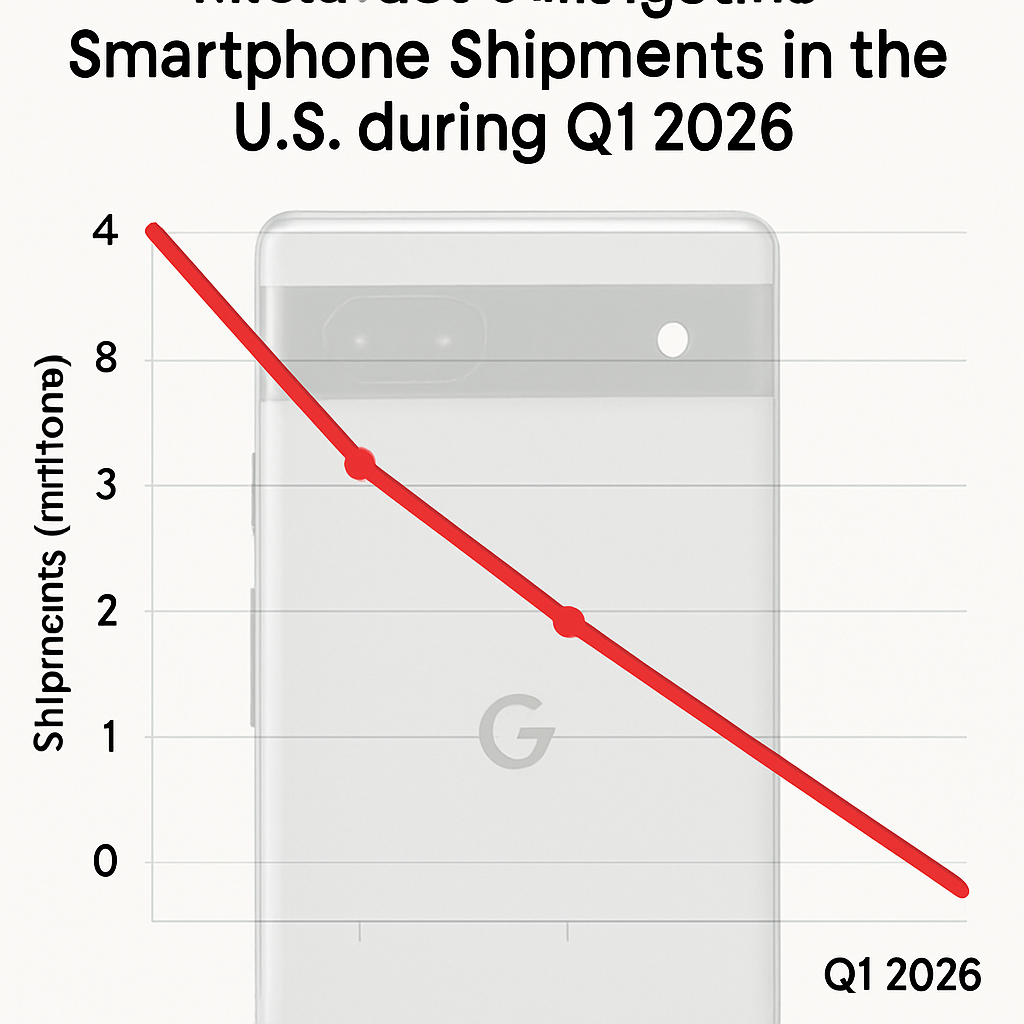
In the first quarter of 2026, Google’s Pixel smartphone shipments in the United States declined by 7% year-over-year, totaling approximately 800,000 units, according to Omdia. This decrease occurred despite the launch of the Pixel 10a during the same period.
Apple maintained its dominant position in the U.S. smartphone market with a 60% share, shipping 19.9 million units—a 3% decline from the previous year. Samsung held a 24% market share, shipping 7.9 million units, which represents a 5% year-over-year decrease.
Motorola was the only brand among the top five to experience growth, increasing its shipments by 18% to 3.6 million units. This growth was largely driven by the Moto G series, which accounted for 70% of Motorola’s shipments in the quarter.
Despite the overall market contraction, Google’s Pixel devices retained a 3% share of the U.S. market. However, shipments fell from approximately 900,000 units in Q1 2025 to around 800,000 units in Q1 2026. Omdia attributes this decline to the Pixel 10 series not replicating the momentum of the previous year’s Pixel 9 lineup. The earlier launch of the Pixel 10a helped mitigate some of the decline, and aggressive carrier promotions remained central to Google’s strategy to expand Pixel demand beyond its core premium user base.
Interestingly, the U.S. market saw growth solely in the sub-$300 segment, with demand for flagship-tier devices remaining roughly unchanged, and the $300-599 segment dropping by 19% year-over-year. This trend contrasts with other regions where premium devices are experiencing better outlooks.
As reported by 9to5Google, these figures highlight the challenges Google faces in expanding its Pixel presence in the U.S. market, especially amid a broader industry downturn and shifting consumer preferences.
While Google’s Pixel lineup has shown global growth, the U.S. market presents unique challenges. The decline in mid-range device demand suggests that consumers are gravitating towards either budget-friendly or premium options, potentially squeezing the Pixel’s market position. To reverse this trend, Google may need to reassess its pricing strategies and enhance the value proposition of its devices to appeal to a broader audience.
Source: 9to5Google