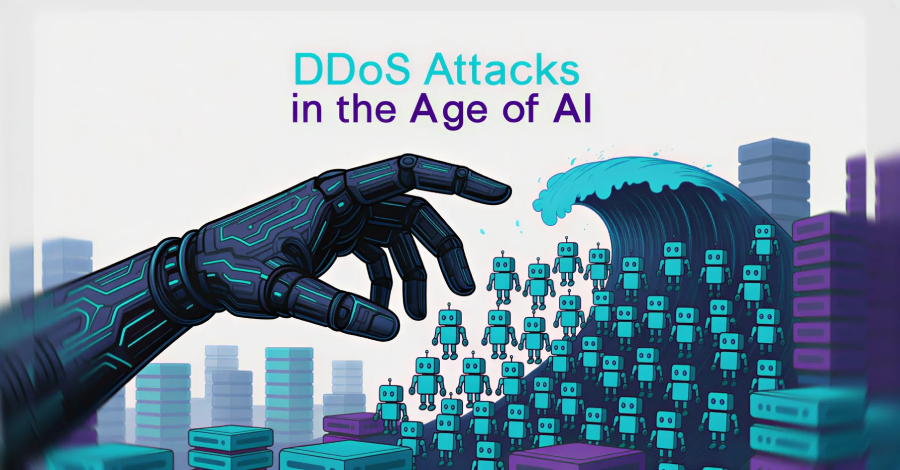
Defending Against AI-Enhanced DDoS Attacks: Strategies for Modern Cybersecurity
In the rapidly evolving landscape of cybersecurity, the emergence of artificial intelligence (AI) has introduced both innovative defenses and sophisticated threats. Cybercriminals are increasingly leveraging AI to orchestrate more potent and adaptive distributed denial-of-service (DDoS) attacks, posing significant challenges to traditional security measures.
The Evolution of DDoS Attacks with AI
Historically, DDoS attacks involved overwhelming a target’s network with excessive traffic, rendering services unavailable. However, the integration of AI has transformed these attacks into dynamic and intelligent operations. AI algorithms can analyze network defenses in real-time, identify vulnerabilities, and adjust attack vectors accordingly, making mitigation efforts more complex.
For instance, the AISURU/Kimwolf botnet has been linked to record-setting DDoS attacks, including one that peaked at 31.4 terabits per second (Tbps) and lasted only 35 seconds. This botnet exploited over 2 million Android devices, many of which were compromised through exposed Android Debug Bridge (ADB) services and residential proxy networks. The rapid adaptation and scale of such attacks underscore the enhanced capabilities afforded by AI.
The Limitations of Traditional Defense Mechanisms
Conventional security measures, such as firewalls and regular software updates, are increasingly insufficient against AI-driven threats. These advanced attacks can bypass standard defenses by identifying and exploiting less obvious vulnerabilities, including misconfigured APIs and subtle weaknesses in cloud infrastructures. The speed and adaptability of AI-enhanced attacks necessitate a reevaluation of existing security protocols.
Proactive Strategies for Mitigating AI-Driven DDoS Attacks
To effectively counter AI-enhanced DDoS attacks, organizations must adopt proactive and dynamic defense strategies:
1. Accelerated Patch Management: Implementing a streamlined process for identifying and applying security patches is crucial. Reducing the window of vulnerability from discovery to remediation can significantly diminish the risk of exploitation.
2. Comprehensive Security Audits: Regular and thorough assessments of network configurations, API endpoints, and cloud services can uncover potential entry points for attackers. Addressing these vulnerabilities proactively strengthens the overall security posture.
3. AI-Powered Defense Systems: Deploying AI-driven security solutions can enhance threat detection and response capabilities. These systems can analyze patterns, predict potential attack vectors, and automate responses to mitigate threats in real-time.
4. Incident Response Planning: Developing and regularly updating an incident response plan ensures that organizations can react swiftly and effectively to DDoS attacks. Simulating attack scenarios can help identify gaps in the response strategy and improve preparedness.
Educational Initiatives and Collaborative Efforts
Staying informed about the latest developments in AI-driven cyber threats is essential. Participating in webinars, workshops, and industry forums can provide valuable insights into emerging attack methodologies and defense mechanisms. Collaborating with cybersecurity experts and organizations can also facilitate the sharing of best practices and threat intelligence.
Conclusion
The advent of AI-enhanced DDoS attacks represents a significant shift in the cybersecurity landscape. By understanding the nature of these threats and implementing proactive, AI-driven defense strategies, organizations can better protect their digital assets and maintain operational resilience. Embracing continuous learning and collaboration will be key in staying ahead of these evolving cyber threats.