Xreal’s Project Aura: Pioneering the Future of Smart Glasses
The concept of smart glasses has long captivated the imagination of tech enthusiasts and industry leaders alike. Envisioning a world where mobile computing is seamlessly integrated into our daily lives through lightweight, wearable devices has been a persistent goal. However, the journey to realize this vision has been fraught with challenges, leading to significant investments with minimal returns.
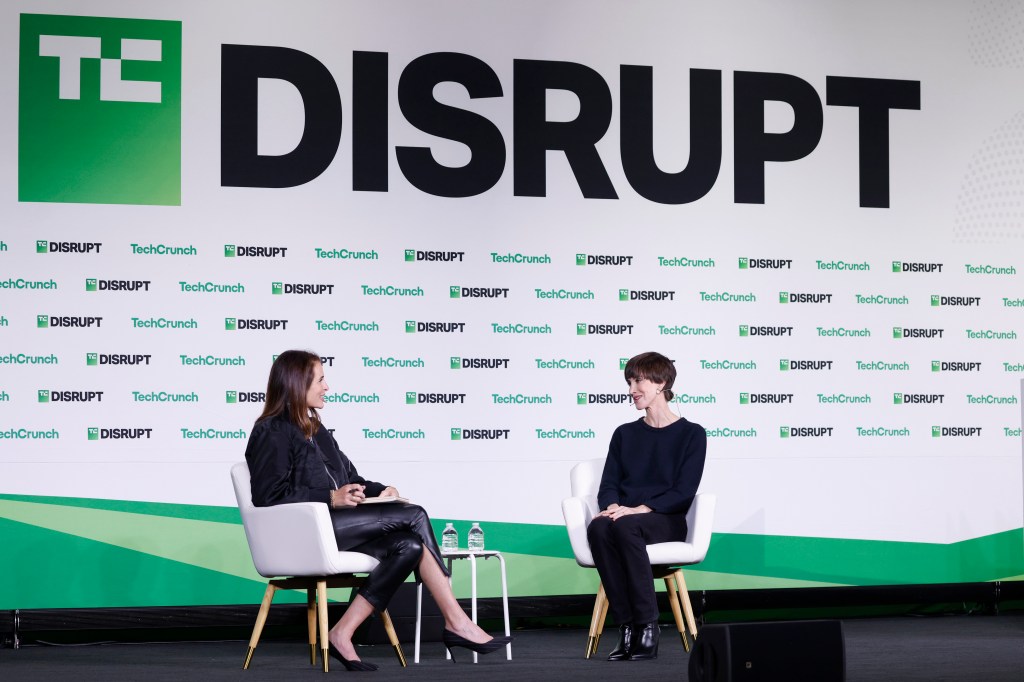
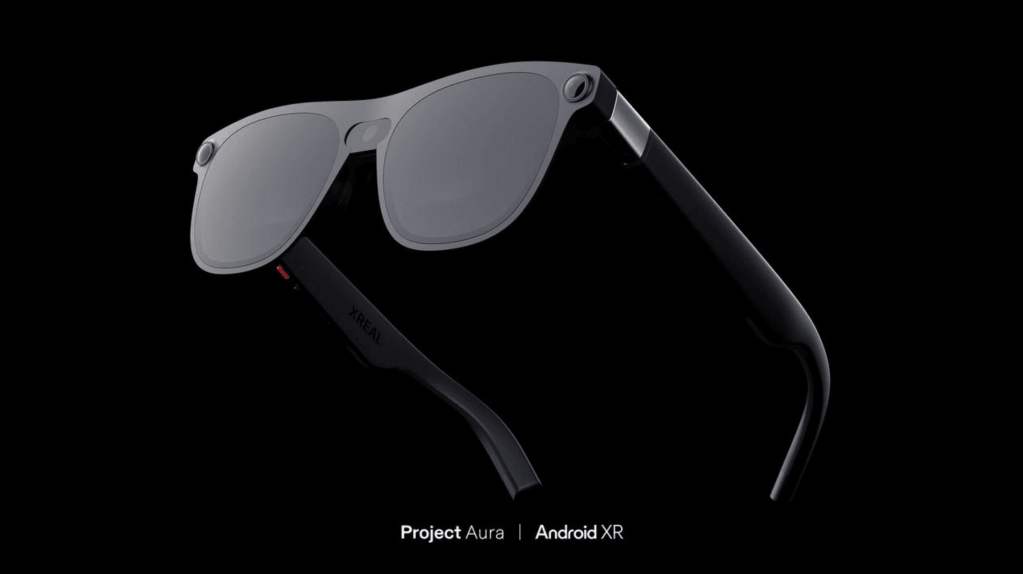
Chi Xu, founder and CEO of Xreal—a key partner in Google’s smart glasses initiatives—acknowledges the industry’s struggles. Everybody’s losing money, Xu remarked during a conversation at Google’s I/O conference in Mountain View. He was there to showcase Xreal’s latest endeavor, Project Aura, which aims to deliver functional extended reality (XR) glasses that resonate with consumers.
The hurdles faced by smart glasses are well-documented: cumbersome designs, discomfort, social stigma, and software that offers limited utility. Despite these obstacles, industry insiders like Xu believe a turning point is near. This optimism is partly fueled by Meta’s 2023 collaboration with Ray-Ban, which introduced models that achieved notable sales figures. Although Meta’s Reality Labs division continues to operate at a loss, the partnership demonstrated a viable market interest.
Xu emphasizes the necessity of aligning hardware, operating systems, and user interfaces to succeed in this space. You need all the key pieces ready, he stated. Xreal’s Project Aura embodies this holistic approach. The Aura glasses feature embedded OLED displays, enabling users to view high-resolution content directly within the frames. These glasses are connected to a puck—a compact, phone-shaped mini-computer that powers the device. While the tethered design may seem inconvenient, it allows users to discreetly carry the puck in their pocket.
This configuration unlocks a diverse array of experiences. Users can engage with immersive applications like Google Maps, watch VR YouTube videos, and utilize a painting app that employs hand tracking to create holographic images visible only to the wearer. Additional features include interactive games and basic web browsing capabilities. Xreal envisions scenarios where users follow floating recipes while cooking, establish private workspaces in public settings, or enjoy movies on virtual big screens at home. The company asserts that these experiences are designed to be seamless.
Beyond consumer applications, Xu sees potential for professional use. It’s not just about watching the NBA game in a hologram type of format, he explained. You could also go to a coffee shop and do some work. Currently, the Aura glasses are available exclusively to developers, with plans for a commercial launch later this year. Xreal is also preparing for an initial public offering (IPO) expected before the end of 2026, though Xu declined to provide further details.
In the interim, Xreal is focused on achieving profitability. The company has been increasing its gross margin while reducing marketing and sales expenses. Next year is the year when we could actually break even, Xu projected.
The smart glasses industry is at a pivotal juncture. With advancements in design and functionality, companies like Xreal are striving to transform these devices from niche gadgets into mainstream tools that enhance both personal and professional experiences.