Trust at the Forefront: The Elon Musk vs. OpenAI Legal Battle
The courtroom drama between Elon Musk and OpenAI has reached its climax, with closing arguments presented and the jury now deliberating on the case’s outcome. Central to this high-profile trial is the question of trust, particularly concerning OpenAI’s CEO, Sam Altman, and the organization’s shift towards a for-profit model.
The Genesis of the Dispute
Elon Musk, a co-founder of OpenAI, initiated legal action against the organization, alleging that its transition from a nonprofit to a for-profit entity deviated from its original mission to ensure artificial general intelligence (AGI) benefits all of humanity. Musk contends that this shift compromises the ethical foundations upon which OpenAI was established.
Trust Under Scrutiny
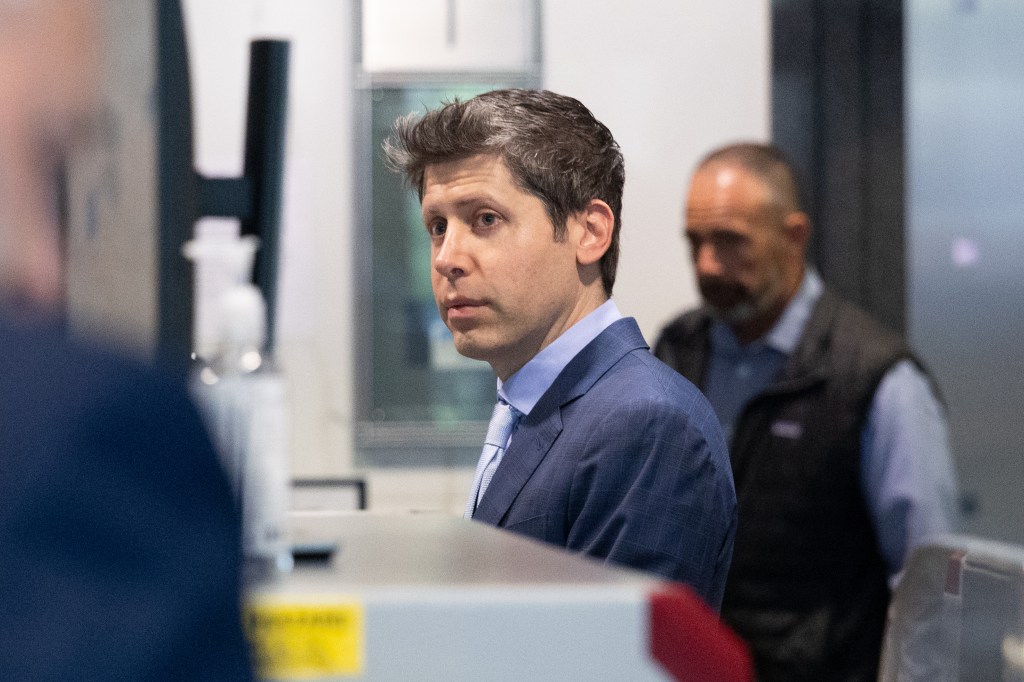
During the trial, Musk’s legal team focused on Altman’s credibility. Attorney Steve Molo interrogated Altman about the veracity of his statements during congressional testimonies, aiming to highlight inconsistencies and question his trustworthiness. This line of questioning underscores a broader concern: the transparency and integrity of leaders steering AI development.
A Broader Industry Concern
The issue of trust extends beyond Altman and OpenAI. Kirsten Korosec, a journalist covering the trial, emphasized that trust is a fundamental concern for tech journalists, policymakers, and consumers regarding all AI laboratories. The opaque nature of privately held AI companies leaves many aspects hidden from public scrutiny, raising questions about their operations and intentions.
The Role of AI Safety
Musk’s apprehensions are not solely about corporate structure but also about AI safety. He has been vocal about the potential risks associated with AGI and has advocated for cautious development practices. This trial brings these concerns to the forefront, questioning whether OpenAI’s current trajectory aligns with its foundational commitment to AI safety.
The Jury’s Deliberation
As the jury deliberates, the outcome of this case could have significant implications for the AI industry. A ruling in favor of Musk might prompt reevaluations of corporate structures and missions within AI organizations. Conversely, a decision favoring OpenAI could reinforce the viability of for-profit models in AI development, provided they maintain ethical standards.
Implications for the AI Community
Regardless of the verdict, this trial has ignited a critical conversation about trust, transparency, and ethical responsibility in AI development. It serves as a reminder that as AI technologies become increasingly integrated into society, the integrity of those who develop and govern these technologies is paramount.
Conclusion
The Musk vs. OpenAI trial is more than a legal dispute; it is a reflection of the broader challenges facing the AI industry. As the jury reaches its decision, the tech community and the public await the implications this case will have on the future of AI development and governance.