Apple’s Liquid Glass Design in iOS 26 Earns Top Honors at ADC Awards
Apple’s innovative Liquid Glass design for iOS 26 has garnered significant acclaim, securing multiple awards at the esteemed Art Directors Club (ADC) Annual Awards. This recognition underscores the design’s impact and Apple’s commitment to pushing the boundaries of user interface aesthetics.
A Closer Look at the ADC Awards Recognition
The ADC Annual Awards, established in 1921, are among the most prestigious in the design industry, celebrating excellence in various creative fields. Apple’s Liquid Glass interface was honored with four distinct awards:
– Gold Cube in Interactive / UX / UI: This top accolade highlights the design’s excellence in user experience and interface innovation.
– Silver Cube for Experiential Design / Digital Experiences: Acknowledging the immersive and dynamic nature of the Liquid Glass design.
– Two Bronze Cubes for Consumer Experience and Innovation: Recognizing the design’s impact on consumer engagement and its innovative approach.
These awards reflect the design community’s appreciation for Apple’s efforts in redefining digital aesthetics.
Understanding the Liquid Glass Design
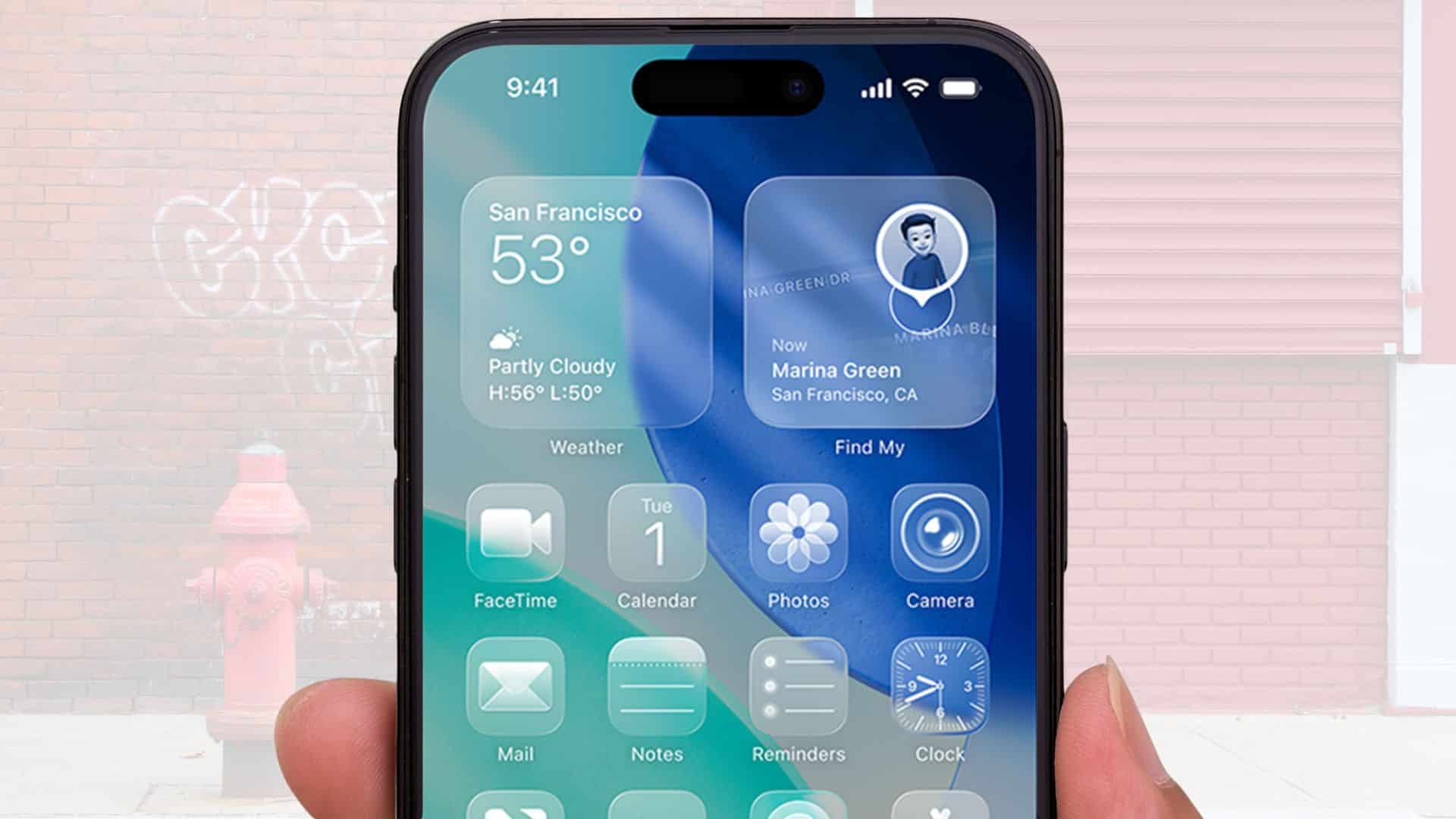
Introduced with iOS 26, the Liquid Glass design represents a significant departure from previous flat design principles. It incorporates glossy, transparent elements that add depth and dynamism to the user interface. This design language is characterized by:
– Layered Transparency: Creating a sense of depth by allowing elements to overlap with varying opacity.
– Reflective Surfaces: Adding a glossy sheen to interface components, enhancing visual appeal.
– Dynamic Animations: Smooth transitions and animations that contribute to a more engaging user experience.
This design philosophy extends across Apple’s ecosystem, including iPadOS, macOS, watchOS, and even CarPlay, ensuring a cohesive visual experience for users.
Community Response and Adaptations
Since its debut, the Liquid Glass design has elicited mixed reactions from the user community. While many appreciate the modern and immersive aesthetics, some users have raised concerns about readability and consistency, particularly in certain system applications. In response, Apple has introduced customization options to cater to diverse user preferences:
– Customization Features: iOS 26.4 introduced settings like Reduce Bright Effects and enhancements to Reduce Motion, allowing users to tone down certain visual elements for a more comfortable experience.
– Third-Party Adoption: Numerous third-party applications have embraced the Liquid Glass design, updating their interfaces to align with Apple’s new aesthetic. This widespread adoption signifies the design’s influence and acceptance within the broader app ecosystem.
Looking Ahead: The Future of Liquid Glass
Despite the departure of key design personnel, reports indicate that Apple intends to retain the Liquid Glass design language in upcoming iOS iterations. This decision suggests a commitment to refining and evolving the design rather than reverting to previous styles. The ADC awards serve as a testament to the design’s success and may bolster Apple’s resolve to continue in this direction.
Conclusion
The recognition of Apple’s Liquid Glass design at the ADC Awards marks a significant milestone in the evolution of user interface design. It highlights the balance between innovation and user experience, acknowledging both the creative vision and the practical considerations involved. As Apple continues to refine its design language, the industry and users alike will be keen to see how the Liquid Glass aesthetic evolves in future software updates.