Runway’s Ascent: From Filmmaker’s Ally to AI Powerhouse
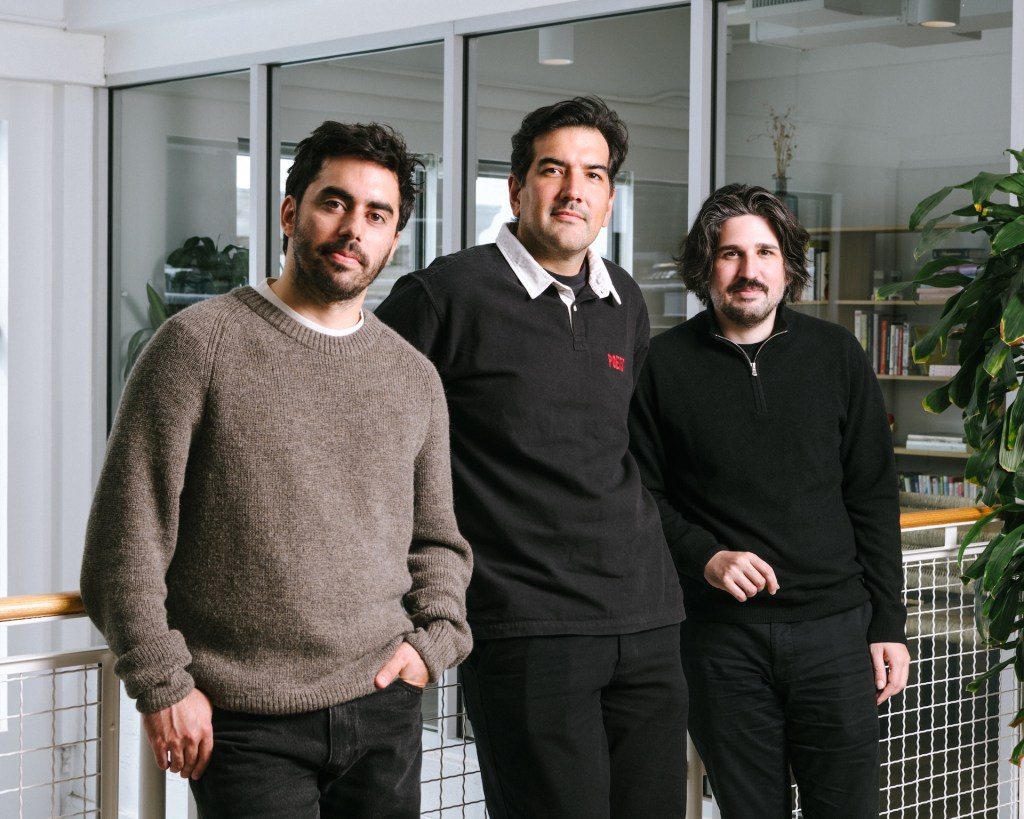
In the rapidly evolving landscape of artificial intelligence, Runway AI, Inc. has emerged as a formidable contender, challenging industry giants like Google with its innovative approach to AI development. Founded in 2018 by Cristóbal Valenzuela, Anastasis Germanidis, and Alejandro Matamala, Runway began as a tool to assist filmmakers and has since expanded its vision to redefine the boundaries of AI capabilities.
Origins and Evolution
Runway’s inception was rooted in the creative arts. The founders, hailing from Chile and Greece, met at New York University’s Tisch School of the Arts. Their shared passion for blending technology with art led to the creation of tools that simplified complex video editing processes. These tools enabled users to perform tasks such as background removal and object isolation with unprecedented ease, democratizing high-level video editing for a broader audience.
The company’s early success was marked by its contributions to notable projects. Runway’s technology played a pivotal role in the production of the Oscar-winning film Everything Everywhere All at Once, where it streamlined visual effects workflows. Additionally, television programs like The Late Show with Stephen Colbert integrated Runway’s tools to enhance their production quality.
Strategic Growth and Funding Milestones
Recognizing the potential of their technology beyond the film industry, Runway embarked on a series of funding rounds to fuel its expansion. In December 2020, the company secured $8.5 million in a Series A funding round. This was followed by a $35 million Series B in December 2021. The momentum continued with a $50 million Series C round in December 2022, and a significant $141 million Series C extension in June 2023, elevating the company’s valuation to $1.5 billion. By April 2026, Runway’s valuation had soared to $5.3 billion, underscoring its rapid ascent in the AI sector.
Innovations in AI and Video Generation
At the heart of Runway’s success is its commitment to advancing generative AI technologies. The company has developed a suite of products, including Gen-3 Alpha, Gen-2, Runway Studios, and Motion Brush, each designed to push the boundaries of video generation and editing. These tools empower users to generate videos from text prompts, manipulate images seamlessly, and create complex visual effects without extensive technical expertise.
In May 2023, Runway released its Gen-3 Alpha model, capable of generating 10-second video clips from text, image, or video inputs. This model demonstrated an advanced understanding of 3D dynamics, bringing the company closer to achieving photorealistic video generation. Such innovations have attracted partnerships with major studios like Lionsgate and AMC Networks, integrating Runway’s technology into mainstream media production.
Competing with Tech Giants
Runway’s ambitions extend beyond serving as a tool for creatives. The company is positioning itself as a direct competitor to tech behemoths like Google in the AI arena. While many AI labs focus on language-based models, Runway is betting on video and world models that learn from observational data, aiming to develop AI systems that understand and predict real-world behaviors.
This strategic direction is evident in Runway’s development of world models—AI systems capable of simulating environments to predict outcomes. In December 2025, the company launched its first world model, with plans for further releases. These models have potential applications in interactive entertainment, gaming, and robotics training, positioning Runway at the forefront of AI innovation.
Industry Adoption and Impact
The entertainment industry has taken note of Runway’s capabilities. Major players like Disney and Netflix have explored the integration of Runway’s generative AI tools into their production workflows. Netflix, for instance, utilized Runway’s technology for visual effects in its original series The Eternaut, achieving significant time and cost savings. Similarly, Disney has tested Runway’s tools for potential use in film and television projects, reflecting a broader industry shift toward AI-driven production methods.
Despite concerns about AI’s impact on creative jobs, Runway’s leadership emphasizes the technology’s role in empowering artists rather than replacing them. CEO Cristóbal Valenzuela envisions AI as a tool that democratizes filmmaking, enabling a diverse range of voices and stories to emerge. This perspective aligns with historical technological shifts in the industry, suggesting that AI could usher in a new golden age for cinema.
Future Prospects
Looking ahead, Runway is poised to continue its trajectory of innovation and growth. The company’s focus on developing AI systems that learn from the world, rather than just language, sets it apart in a crowded field. By leveraging less biased data and training models on observational inputs, Runway aims to create AI that transcends current limitations, offering more accurate and versatile applications across various industries.
As Runway continues to challenge established norms and compete with industry giants, its journey from a filmmaker’s tool to an AI powerhouse exemplifies the transformative potential of combining creativity with cutting-edge technology.