Google’s Gemini Intelligence: A Bold Move to Outshine Siri Falls Short
In a strategic move to redefine the landscape of artificial intelligence, Google unveiled Gemini Intelligence during the 2026 Android Show. This ambitious initiative aims to integrate advanced AI capabilities directly into Android devices, positioning Gemini as a formidable competitor to Apple’s Siri. However, despite the fanfare, Gemini’s debut has been met with skepticism regarding its ability to deliver on its promises and truly revolutionize the AI assistant market.
The Promise of Gemini Intelligence
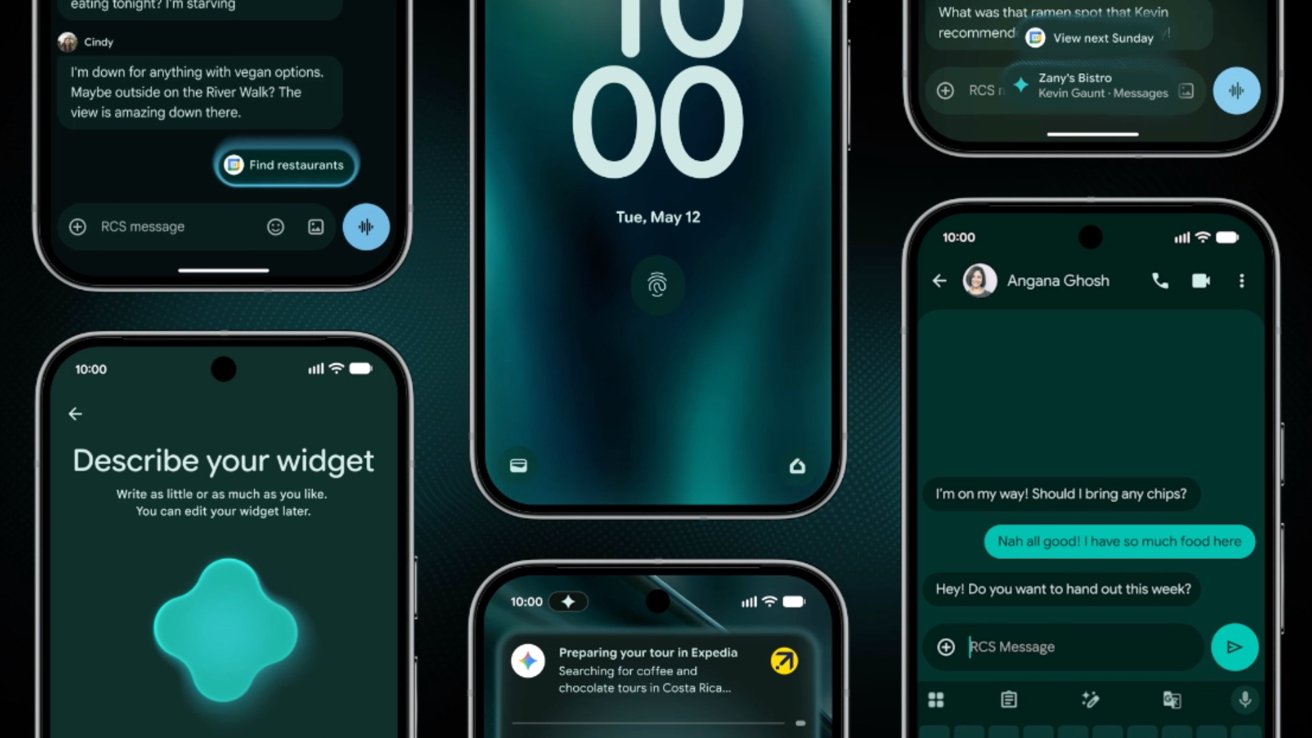
Gemini Intelligence is designed to be more than just a voice-activated assistant. Google’s vision encompasses a suite of AI-driven features that automate routine smartphone tasks, enhance user interaction, and provide a seamless, context-aware experience. Key features include:
– Autonomous Task Management: Gemini aims to perform complex, multi-step tasks across various applications. For instance, users could instruct Gemini to organize grocery deliveries or book travel arrangements, and the AI would handle the entire process autonomously.
– Enhanced Chrome Integration: By embedding Gemini into the Chrome browser, Google plans to offer features like automated appointment booking and personalized content recommendations, streamlining the browsing experience.
– Advanced Communication Tools: The introduction of Rambler, a speech-to-text tool, is set to refine spoken input into concise messages, even when switching between languages, thereby improving communication efficiency.
– Personalized Widgets: The Create My Widget feature allows users to generate custom widgets through natural language commands, enhancing device personalization.
The Reality Check
Despite these ambitious plans, the initial reception of Gemini Intelligence has been lukewarm. Several factors contribute to this skepticism:
– Overpromising and Underdelivering: Google’s history with AI announcements has sometimes been marked by grand promises that fall short in execution. Users and industry experts are cautious, waiting to see if Gemini can deliver practical, reliable functionality beyond the conceptual stage.
– Integration Challenges: Seamlessly integrating such advanced AI into the diverse Android ecosystem poses significant technical challenges. Ensuring compatibility across various devices and applications without compromising performance is a daunting task.
– Privacy Concerns: With AI assistants handling more personal and sensitive tasks, concerns about data privacy and security are heightened. Users are wary of how their information is processed and stored, especially given past incidents involving data breaches and misuse.
Comparisons with Siri
Apple’s Siri has been a staple in the AI assistant market, known for its integration with the Apple ecosystem and consistent performance. While Siri has faced its own criticisms, it has established a level of trust and reliability among users. Gemini’s attempt to surpass Siri involves not only matching its capabilities but also introducing innovative features that offer tangible benefits. However, without demonstrable improvements and a clear value proposition, convincing users to switch allegiance remains a significant hurdle.
The Road Ahead
For Gemini Intelligence to succeed, Google must address several critical areas:
– Transparent Development: Providing clear timelines, regular updates, and open communication about the development process can build trust and manage user expectations.
– User-Centric Design: Focusing on real-world applications and ensuring that features address genuine user needs will enhance adoption rates. Beta testing with diverse user groups can provide valuable feedback for refinement.
– Robust Privacy Measures: Implementing stringent data protection protocols and offering users control over their data will be essential in alleviating privacy concerns.
– Seamless Integration: Ensuring that Gemini works flawlessly across the Android ecosystem, including third-party apps, will be crucial for widespread acceptance.
Conclusion
Google’s introduction of Gemini Intelligence marks a bold step in the evolution of AI assistants. While the vision is compelling, the execution will determine its success. By learning from past missteps and focusing on delivering practical, user-friendly features, Google has the potential to redefine the AI assistant landscape. However, as it stands, Gemini’s announcement, though ambitious, falls short of convincing the market that it can outshine established players like Siri.