Tim Cook: The Architect Behind Apple’s Trillion-Dollar Growth
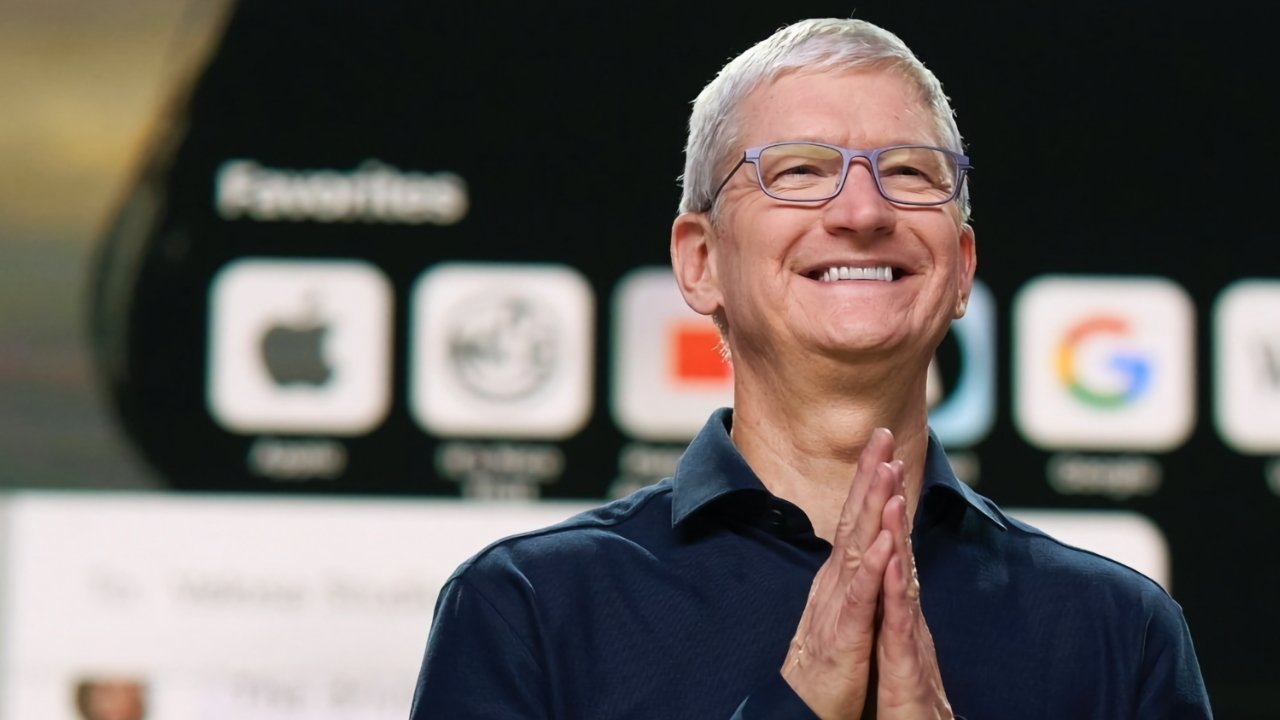
As Apple commemorates its 50th anniversary, the spotlight shines on Tim Cook, the CEO who transformed the company into a global powerhouse with a market valuation exceeding $4 trillion. Cook’s tenure is marked by strategic acumen, political navigation, and an unwavering commitment to innovation.
Early Days and Ascension to CEO
Tim Cook joined Apple in 1998, bringing with him a wealth of experience from IBM and Compaq. His initial role as Senior Vice President for Worldwide Operations was pivotal in streamlining Apple’s supply chain, significantly reducing inventory levels, and enhancing operational efficiency. This groundwork laid the foundation for Apple’s resurgence in the early 2000s.
In 2009 and 2011, Cook stepped in as acting CEO during Steve Jobs’ medical leaves, demonstrating his capability to lead the company through challenging times. Following Jobs’ passing in October 2011, Cook was appointed as the seventh CEO of Apple, becoming the third to hold the position without being dismissed.
Strategic Leadership and Financial Triumphs
Under Cook’s leadership, Apple experienced unprecedented financial growth. The company’s market capitalization soared from approximately $350 billion in 2011 to over $4 trillion by 2026. This remarkable achievement is attributed to several key factors:
– Product Diversification: Cook expanded Apple’s product lineup beyond the iPhone, introducing the Apple Watch, AirPods, and various services like Apple Music and Apple TV+. These additions not only diversified revenue streams but also solidified Apple’s ecosystem.
– Global Market Penetration: Recognizing the potential in emerging markets, Cook spearheaded initiatives to establish a strong presence in countries like China and India. This global strategy significantly contributed to Apple’s revenue growth.
– Emphasis on Services: Transitioning from a hardware-centric model, Cook prioritized the development of services, leading to a substantial increase in recurring revenue and customer engagement.
Navigating Political and Economic Challenges
Cook’s tenure was not without challenges. The imposition of tariffs during the Trump administration posed significant threats to Apple’s supply chain and profitability. Demonstrating adept political navigation, Cook engaged in dialogues with policymakers to mitigate the impact of these tariffs, ensuring minimal disruption to Apple’s operations.
Reflecting on Apple’s Legacy and Future
As Apple approached its 50th anniversary in April 2026, Cook took moments to reflect on the company’s journey and its future trajectory. In a heartfelt letter to employees, he expressed gratitude for their contributions and emphasized that Apple’s best days lie ahead. He stated, The opportunities ahead of us are among the greatest we’ve ever seen. ([appleinsider.com](https://appleinsider.com/articles/26/04/01/tim-cook-celebrates-apples-50th-in-a-heartfelt-letter-to-staff?utm_source=openai))
Cook also acknowledged the importance of succession planning, contemplating the future leadership of Apple. He remarked, I spend a lot of time thinking about who’s in the room five years from now, 10 years from now… This is an important part of leadership. ([appleinsider.com](https://appleinsider.com/articles/26/02/05/tim-cook-reflects-on-apples-50-years-and-retirement-coming-for-us-all?utm_source=openai))
Philanthropy and Personal Commitments
Beyond his corporate achievements, Cook is known for his philanthropic endeavors. In 2015, he announced plans to donate the majority of his wealth to charitable causes, reflecting his commitment to social responsibility. ([appleinsider.com](https://appleinsider.com/articles/15/03/27/apples-tim-cook-plans-to-give-away-all-of-his-money?utm_source=openai))
Conclusion
Tim Cook’s leadership has been instrumental in transforming Apple into a global leader in technology and innovation. His strategic vision, coupled with a deep understanding of global markets and a commitment to social responsibility, has not only propelled Apple’s financial success but also solidified its position as a cultural and technological icon.