Meta’s Ray-Ban Display Glasses Embrace Third-Party Apps Amidst Android XR’s Rise
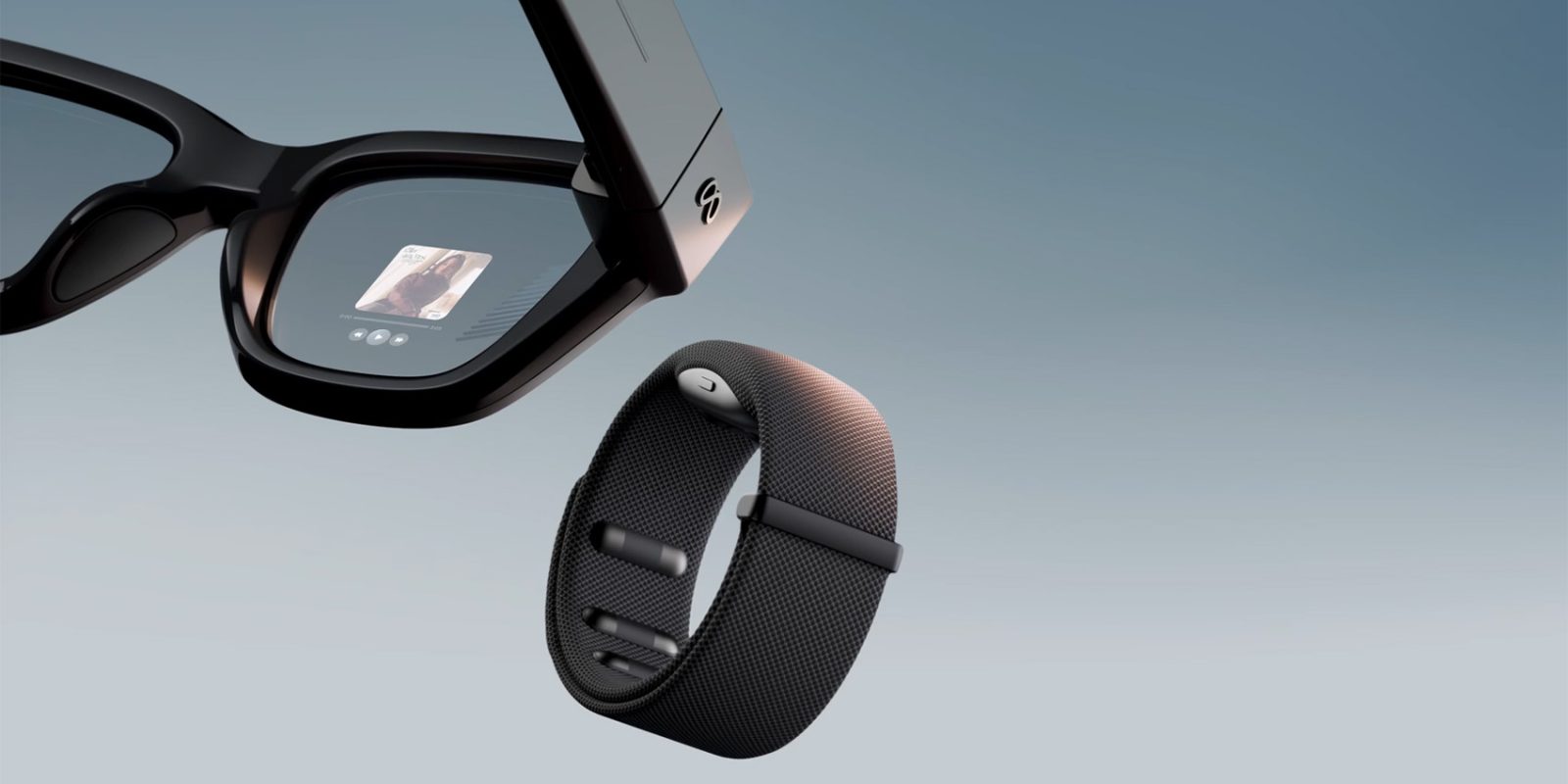
In a significant move to enhance the functionality of its Ray-Ban Display smart glasses, Meta has announced the opening of its platform to third-party applications. This development allows developers to create and integrate apps directly into the display of these innovative glasses, marking a pivotal step in the evolution of wearable technology.
Developer Access and Integration
Meta’s initiative introduces two primary pathways for developers:
1. Mobile Applications: Developers can extend existing iOS or Android applications to interface seamlessly with the Ray-Ban Display glasses. This integration enables users to experience familiar apps in a new, immersive format.
2. Web Applications: The platform also supports the creation of web-based applications tailored for the glasses’ display. This approach leverages widely-used web technologies, facilitating the development of versatile and accessible applications.
Meta elaborated on this development, stating:
> We’re rolling out access to the display on Meta Ray-Ban Display glasses with two build paths: for mobile apps and now for Web Apps as well, both in developer preview. You can create display experiences using familiar tools, whether you’re extending an existing iOS or Android mobile app or building something entirely new.
The rollout of these capabilities is scheduled over the coming weeks, with Meta showcasing a demonstration of an application that identifies flights based on the user’s visual input.
Contextualizing the Announcement
This announcement coincides with the impending launch of Android XR’s new hardware, including Samsung’s audio-only Galaxy Glasses. The anticipated release of display-equipped glasses under the Android XR umbrella suggests a competitive landscape where Meta’s proactive expansion into third-party app support positions it favorably. Notably, Android XR’s advantage lies in its ability to extend existing Android applications to new form factors, including smart glasses, thereby leveraging a robust and familiar platform.
Evolution of Meta’s Smart Glasses
Meta’s journey in the smart glasses domain has been marked by continuous innovation and strategic partnerships:
– Initial Launch and Features: The first-generation Ray-Ban Meta smart glasses, introduced in 2023, combined classic Ray-Ban aesthetics with modern technology, featuring built-in cameras, microphones, and speakers.
– Second Generation Enhancements: In September 2025, Meta unveiled the Gen 2 smart glasses, boasting double the battery life and enhanced video capabilities, including 3K video recording.
– Introduction of Display Technology: The same month, Meta launched the Ray-Ban Display glasses, integrating a built-in display to provide users with a heads-up interface for interacting with Meta AI, controlling music, and managing communications.
– Focus on Prescription Lenses: Recognizing the diverse needs of users, Meta introduced the Blayzer and Scriber styles in March 2026, designed specifically for prescription lenses with a slimmer design, catering to users requiring corrective eyewear.
Competitive Landscape and Industry Trends
The smart glasses market is witnessing a surge in innovation and competition:
– Even Realities’ Third-Party App Support: In March 2026, Even Realities announced the Even Hub, a platform enabling developers to create and share applications for their smart glasses, highlighting a trend towards open ecosystems in wearable technology.
– Rokid’s Integration with Google Gemini: Rokid’s smart glasses, similar in functionality to Meta’s offerings, integrated support for Google’s Gemini assistant in March 2026, showcasing the industry’s move towards incorporating advanced AI capabilities into wearable devices.
Implications for Developers and Users
Meta’s decision to open its Ray-Ban Display glasses to third-party applications presents several implications:
– For Developers: This move offers a fertile ground for innovation, allowing developers to create applications that leverage the unique capabilities of smart glasses, from augmented reality experiences to real-time information overlays.
– For Users: Consumers can anticipate a richer and more personalized experience, with access to a broader range of applications tailored to their interests and needs, enhancing the utility and appeal of smart glasses.
Future Outlook
As Meta continues to invest in its smart glasses ecosystem, the integration of third-party applications is likely to spur further adoption and innovation. The company’s commitment to expanding the functionality and accessibility of its devices positions it as a formidable player in the evolving landscape of wearable technology.
In conclusion, Meta’s strategic move to embrace third-party applications for its Ray-Ban Display glasses not only enhances the device’s capabilities but also reflects a broader industry trend towards open platforms and collaborative innovation in the realm of smart wearables.