Survey Reveals Americans Prioritize Battery Life and Pricing Over Foldable Designs and AI in Smartphones
A recent survey indicates that despite the technological advancements in foldable designs and artificial intelligence (AI) features, the majority of American consumers remain focused on practical aspects such as battery life and pricing when considering smartphone upgrades.
Conducted by CNET in collaboration with YouGov, the survey involved 2,407 U.S. smartphone owners between April 29 and May 1. The findings reveal that only 13% of participants are motivated to upgrade to a device with a foldable or flip design, while a mere 12% are influenced by AI capabilities. In contrast, 55% of respondents prioritize price, 52% emphasize longer battery life, and 38% seek more storage capacity when deciding to purchase a new smartphone.
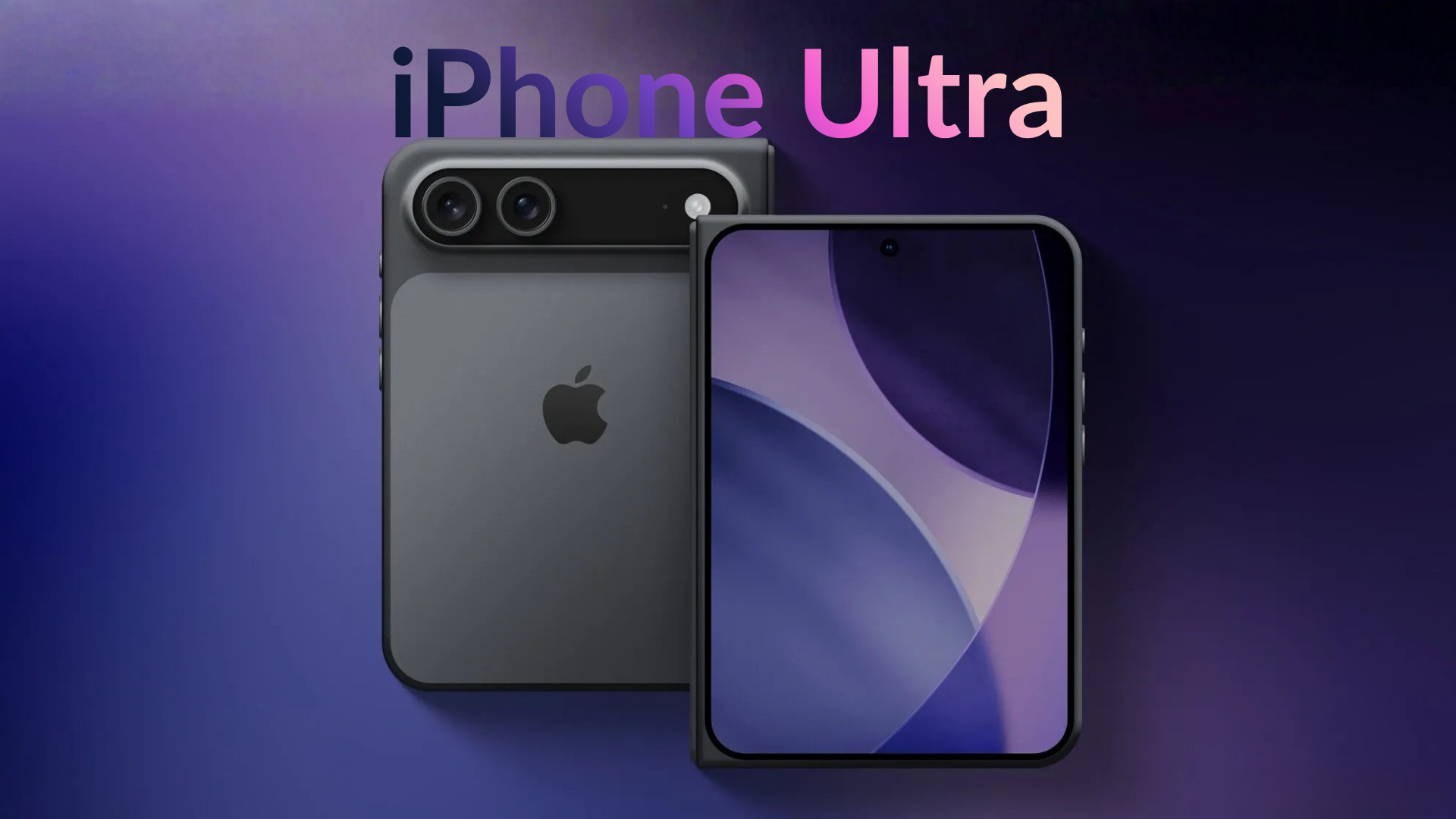
These statistics present a challenge for companies like Apple, which is rumored to launch a premium iPhone Ultra model featuring a foldable design later this year, with an anticipated price nearing $2,000. Even among current iPhone users, interest in foldable designs is only slightly higher at 14%.
Consumer Priorities: Battery Life and Pricing
The survey underscores that everyday usability factors continue to dominate consumer preferences over experimental hardware or software features. Camera enhancements are also more influential than foldable designs or AI, with 27% of users considering camera features important for upgrading, and 22% valuing screen size and display improvements.
Additionally, over half of smartphone owners express frustration with battery performance, and 31% report that their devices no longer hold a charge properly. This dissatisfaction explains why battery improvements garner more attention than AI-generated emojis or image editing tools.
The Reality of AI Integration
Despite Apple’s significant promotion of Apple Intelligence across its devices, consumer interest in AI features remains limited. While sentiment about AI integrations declined sharply from 2024 to 2025, there has been a slight uptick in 2026. However, this modest recovery still places AI far behind practical upgrade considerations. Many iPhone users continue to perceive current Apple Intelligence features as adding little value to their daily experience.
Concurrently, rising smartphone prices are making consumers more cautious. The base iPhone 17 with 256GB storage now starts at $800, while Samsung’s Galaxy S26 is priced around $900. With foldable phones expected to cost significantly more, companies must convince buyers that new form factors address real problems rather than merely offering a different aesthetic.
Implications for Smartphone Manufacturers
The survey results suggest that while technological innovations like foldable designs and AI features generate industry buzz, they do not substantially influence the average American consumer’s purchasing decisions. Instead, practical considerations such as battery longevity, device pricing, and storage capacity remain paramount.
For manufacturers, this indicates a need to balance innovation with the enhancement of core functionalities that consumers value most. While introducing new features can differentiate products in a competitive market, ensuring that these innovations align with consumer priorities is crucial for driving adoption and satisfaction.
Looking Ahead: Aligning Innovation with Consumer Needs
As the smartphone industry continues to evolve, understanding and responding to consumer preferences will be essential. Manufacturers should focus on improving battery performance, offering competitive pricing, and expanding storage options to meet the demands of the majority. While foldable designs and AI features represent exciting advancements, their success will depend on demonstrating tangible benefits that resonate with consumers’ daily needs and preferences.