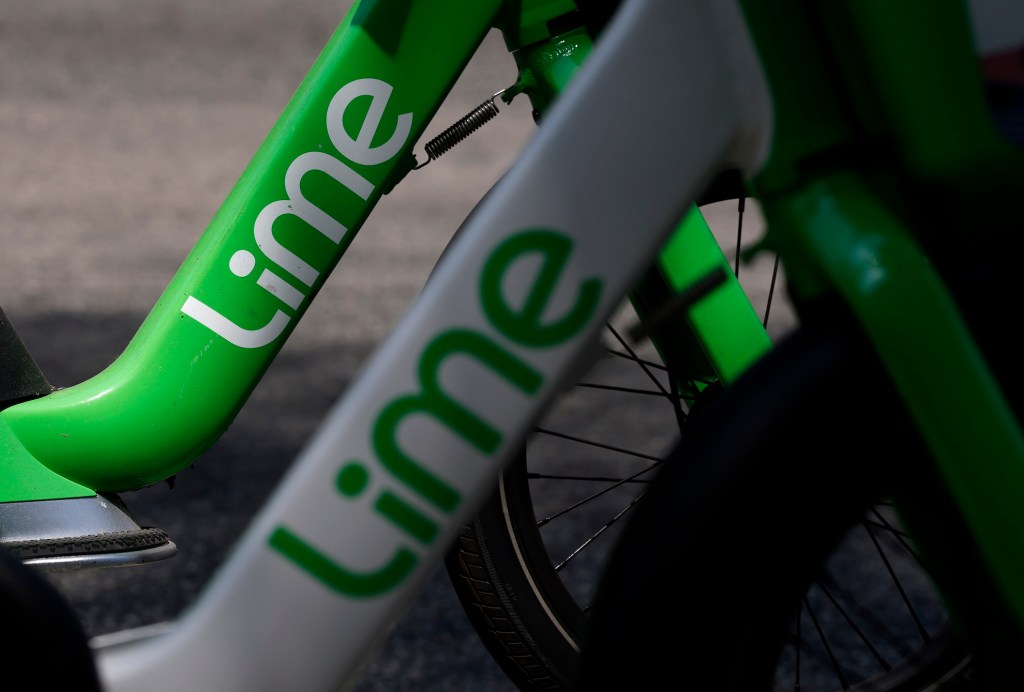
Lime’s Bold Leap: Navigating the Path to Public Markets Amid Financial Challenges
Lime, the Uber-backed electric bike and scooter rental company, has officially filed for an initial public offering (IPO), marking a significant milestone in its journey toward becoming a publicly traded entity. This move comes after years of anticipation and strategic planning, positioning Lime as a notable player in the micromobility sector.
A Long-Awaited Decision
Since its inception in 2017, Lime has been at the forefront of the micromobility revolution, offering convenient and eco-friendly transportation options in urban environments. The company’s CEO, Wayne Ting, has consistently hinted at the possibility of an IPO, emphasizing Lime’s robust economics, growth trajectory, and path to profitability. In 2023, Ting expressed confidence in Lime’s readiness for the public markets, contingent upon favorable market conditions. The recent filing indicates that Lime believes the opportune moment has arrived.
Financial Performance and Growth
Lime’s financial disclosures reveal a company experiencing substantial revenue growth alongside narrowing net losses. In 2023, Lime reported revenues of $521 million, which increased to $686.6 million in 2024, and further to $886.7 million in 2025. Net losses have also shown improvement, decreasing from $122.3 million in 2023 to $33.9 million in 2024, though there was a slight uptick to $59.3 million in 2025. Notably, Lime achieved positive free cash flow over the past three years, reaching $104 million in 2025, nearly doubling from the previous year due to increased cash from operating activities.
Strategic Partnerships and Market Expansion
Lime’s relationship with Uber has been instrumental in its expansion and market penetration. In 2020, Uber led a $170 million funding round for Lime, which included the acquisition of Jump, Uber’s electric bike and scooter division. This acquisition not only expanded Lime’s fleet but also deepened its integration with Uber’s platform. Currently, Lime operates in 230 cities across 29 countries, with approximately 14.3% of its revenue in 2025 stemming from its partnership with Uber, highlighting the significance of this collaboration.
Financial Liabilities and Operational Risks
Despite its growth, Lime faces considerable financial obligations. The company has approximately $1 billion in current liabilities, with about $675.8 million due by the end of 2026. Of this, around $846 million is due within the next 12 months. Lime has acknowledged that it lacks sufficient liquidity to meet these obligations without the capital infusion expected from the IPO. The company candidly stated in its S-1 filing that failure to raise the necessary funds or renegotiate debt agreements could jeopardize its ability to continue operations.
Additionally, Lime’s revenue is heavily concentrated in a few key markets, with the United Kingdom accounting for 22.2% of its revenue in 2025. This concentration exposes the company to regional market fluctuations and regulatory changes. Infrastructure challenges, such as the prevalence of potholes, also pose operational risks, as they can affect the safety and usability of Lime’s scooters.
Industry Context and Competitive Landscape
Lime’s IPO comes at a time when the micromobility industry is experiencing a mix of growth and consolidation. Competitors like Voi have reported profitability and are exploring public offerings, indicating a maturing market. However, the industry remains highly competitive, with companies vying for market share and regulatory approvals in various cities. Lime’s ability to navigate these challenges will be crucial to its success as a public company.
Conclusion
Lime’s decision to go public is a bold step that reflects its confidence in its business model and growth prospects. While the company has demonstrated impressive revenue growth and improved financial metrics, it must address significant liabilities and operational risks. The success of its IPO will depend on investor confidence in Lime’s ability to achieve sustained profitability and effectively manage the complexities of the micromobility landscape.