Revolutionizing Typing: A Former Apple Designer’s Innovative Backspace Button
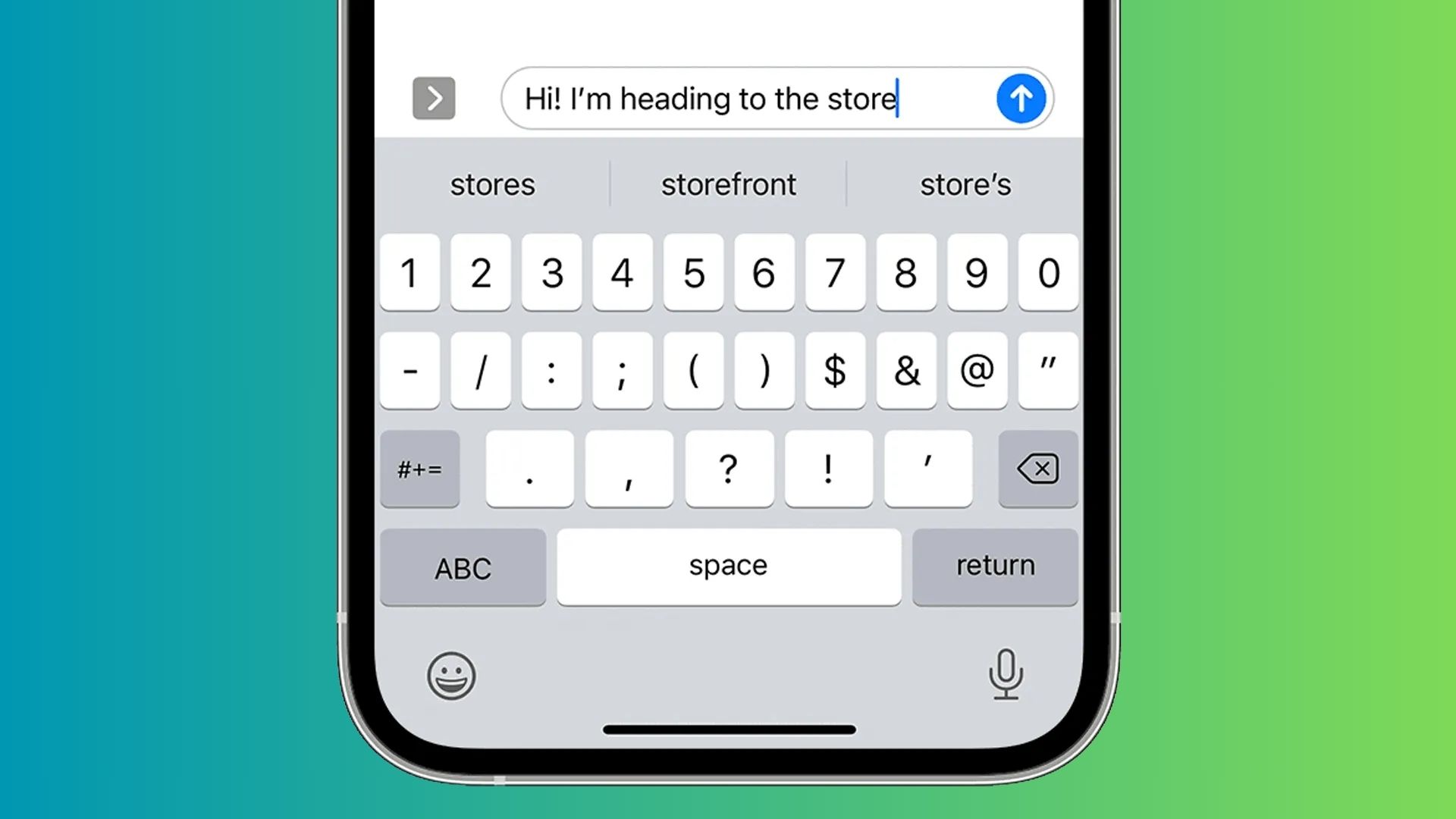
In the realm of smartphone typing, the backspace key has long been a source of frustration for users. The standard method of pressing and holding the delete key to erase text often leads to unintended deletions, especially when correcting lengthy mistakes. Recognizing this issue, Eli Guerron, a former Apple designer, has introduced a groundbreaking concept aimed at enhancing the functionality of the backspace button on the iPhone keyboard.
The Problem with Traditional Backspace Functionality
The conventional backspace key operates similarly to its physical counterpart: a single press deletes one character, while holding the key down accelerates the deletion process. This design, however, lacks precision. Users frequently find themselves deleting more text than intended, leading to inefficiencies and the need to retype portions of their message. This issue becomes particularly pronounced when attempting to erase entire words or sentences, where the speed of deletion can feel erratic and uncontrollable.
Eli Guerron’s Innovative Solution
Eli Guerron, leveraging his experience in designing micro-interactions during his tenure at Apple, has reimagined the backspace key to provide users with greater control over text deletion. His concept introduces a dynamic interaction where the backspace button responds to both touch and gesture:
– Single Tap: Deletes a single character, maintaining the familiar functionality for minor corrections.
– Press and Slide: By pressing the backspace button and sliding it to the left, users can control the speed of deletion. The further the button is dragged, the faster the text is erased. This sliding mechanism allows for a gradual increase in deletion speed, offering a more intuitive and controlled experience.
This design takes advantage of the touch-sensitive capabilities of modern smartphone screens, moving beyond the limitations of physical keys. By incorporating gesture-based controls, Guerron’s concept aligns with the natural movements of users, making text editing more efficient and less prone to errors.
The Impact of Gesture-Based Controls
The introduction of gesture-based controls in smartphone interfaces has revolutionized user interactions. Features like swipe typing and pinch-to-zoom have become standard, enhancing usability and accessibility. Guerron’s backspace button concept follows this trend by integrating a sliding gesture to modulate deletion speed, providing a seamless and responsive user experience.
Potential Integration and User Adoption
For Guerron’s design to become a reality, collaboration with operating system developers, particularly Apple’s iOS team, would be essential. Integrating this feature into the native keyboard could significantly improve typing efficiency for millions of users. Additionally, third-party keyboard developers might adopt similar designs, further promoting the widespread use of gesture-controlled backspace functionality.
User adoption would likely be swift, given the intuitive nature of the design. The learning curve is minimal, as the sliding gesture builds upon existing touch interactions familiar to smartphone users. Moreover, the ability to control deletion speed directly addresses a common pain point, making the feature both practical and appealing.
Broader Implications for User Interface Design
Guerron’s concept underscores the importance of rethinking traditional user interface elements to better suit the capabilities of modern technology. By moving away from static, button-based interactions and embracing dynamic, gesture-based controls, designers can create more responsive and user-friendly interfaces. This approach not only enhances functionality but also aligns with the evolving expectations of users who seek more control and efficiency in their digital interactions.
Conclusion
Eli Guerron’s innovative backspace button design represents a significant step forward in smartphone keyboard functionality. By introducing a sliding gesture to control deletion speed, this concept addresses longstanding user frustrations and exemplifies the potential of thoughtful design in improving everyday digital experiences. As technology continues to evolve, such user-centric innovations will play a crucial role in shaping the future of human-computer interaction.