Google Tasks Introduces Material 3 Expressive Widget for Enhanced User Experience
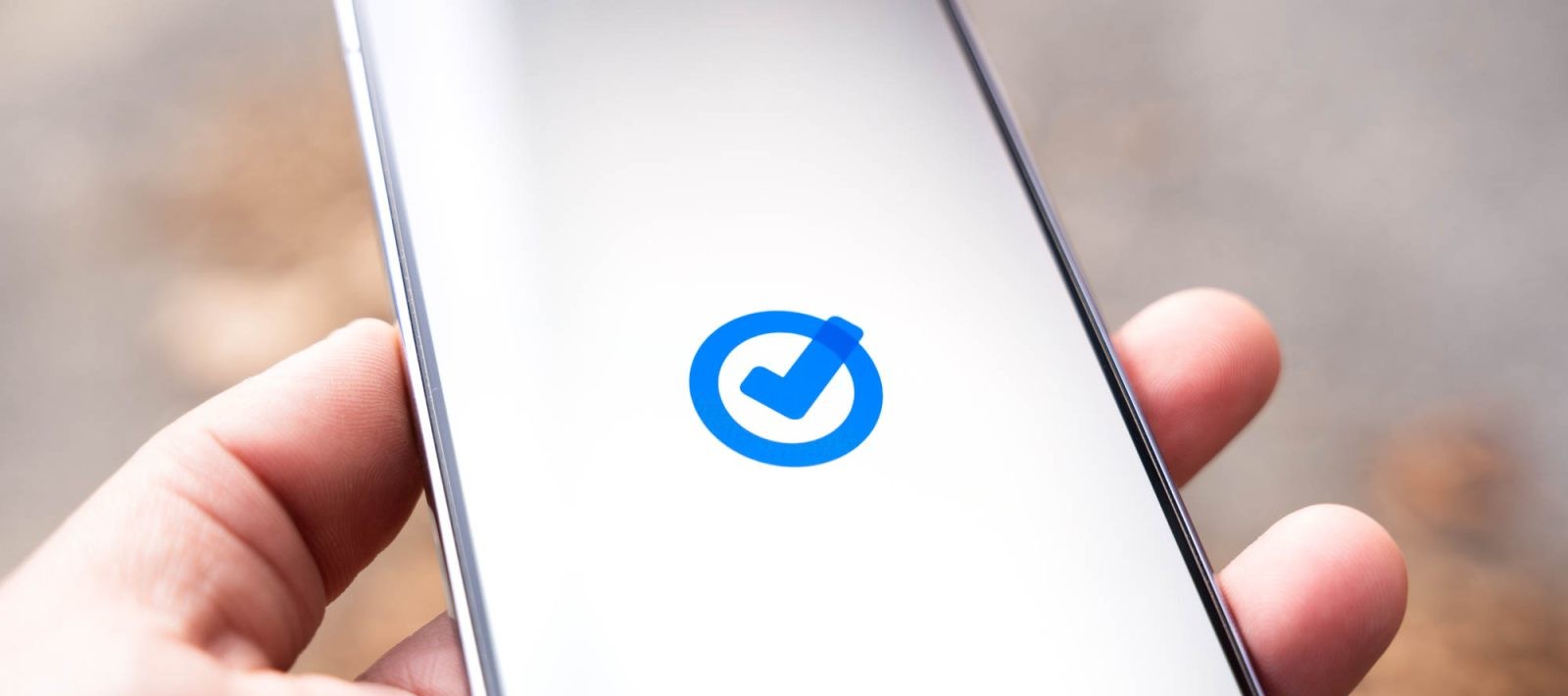
Google has begun rolling out a significant update to its Google Tasks widget on Android, incorporating the Material 3 Expressive design language. This enhancement aims to provide a more cohesive and visually appealing interface for users.
A notable change in this update is the redesign of the ‘plus’ button located in the top-right corner of the widget. Previously, this button was a simple icon; now, it is enclosed within a pill-shaped container, aligning with the design aesthetics seen in other Google applications like Gmail and Google Drive. This new design not only enhances the button’s visibility but also integrates seamlessly with the overall widget appearance.
In dark mode, the widget’s background has been updated to support Dynamic Color theming. This means that the widget will adapt its background color based on the user’s chosen wallpaper and system theme, ensuring a harmonious look on the home screen. It’s important to note that these changes are specific to dark mode; the light theme remains largely unchanged.
The rollout of this redesign is being conducted via a server-side update associated with version 2026.04.27.x of the Google Tasks app for Android. As with many phased rollouts, it may take some time before the update becomes available to all users. Currently, the new design has been observed on a limited number of devices.
This update is part of Google’s broader initiative to unify the design language across its suite of applications. By adopting the Material 3 Expressive design, Google aims to provide users with a consistent and intuitive experience across different platforms and devices.
In recent times, Google Tasks has not seen many major updates. However, this redesign indicates a renewed focus on enhancing the application’s user interface and functionality. Additionally, there have been reports suggesting that Google Tasks is set to receive a new icon in the near future, further aligning it with the updated design language.
The Material 3 Expressive design emphasizes fluidity, adaptability, and a user-centric approach. By incorporating elements like dynamic theming and redesigned interactive components, Google aims to make its applications more engaging and accessible.
For users who rely on Google Tasks for managing their daily to-do lists and reminders, this update promises a more visually appealing and cohesive experience. The integration of the new design elements ensures that the widget not only functions efficiently but also complements the overall aesthetics of the Android home screen.
As with all updates, user feedback will play a crucial role in refining and improving the design further. Google encourages users to share their experiences and any issues they might encounter, ensuring that future iterations of the widget meet user expectations and needs.
In conclusion, the introduction of the Material 3 Expressive design to the Google Tasks widget marks a significant step in Google’s ongoing efforts to enhance user experience through thoughtful design updates. Users can look forward to a more integrated and visually pleasing interface as the rollout progresses.