Apple’s 2027 iPhone: A Seamless Fusion of Hardware and Software with ‘Glasswing’ Design
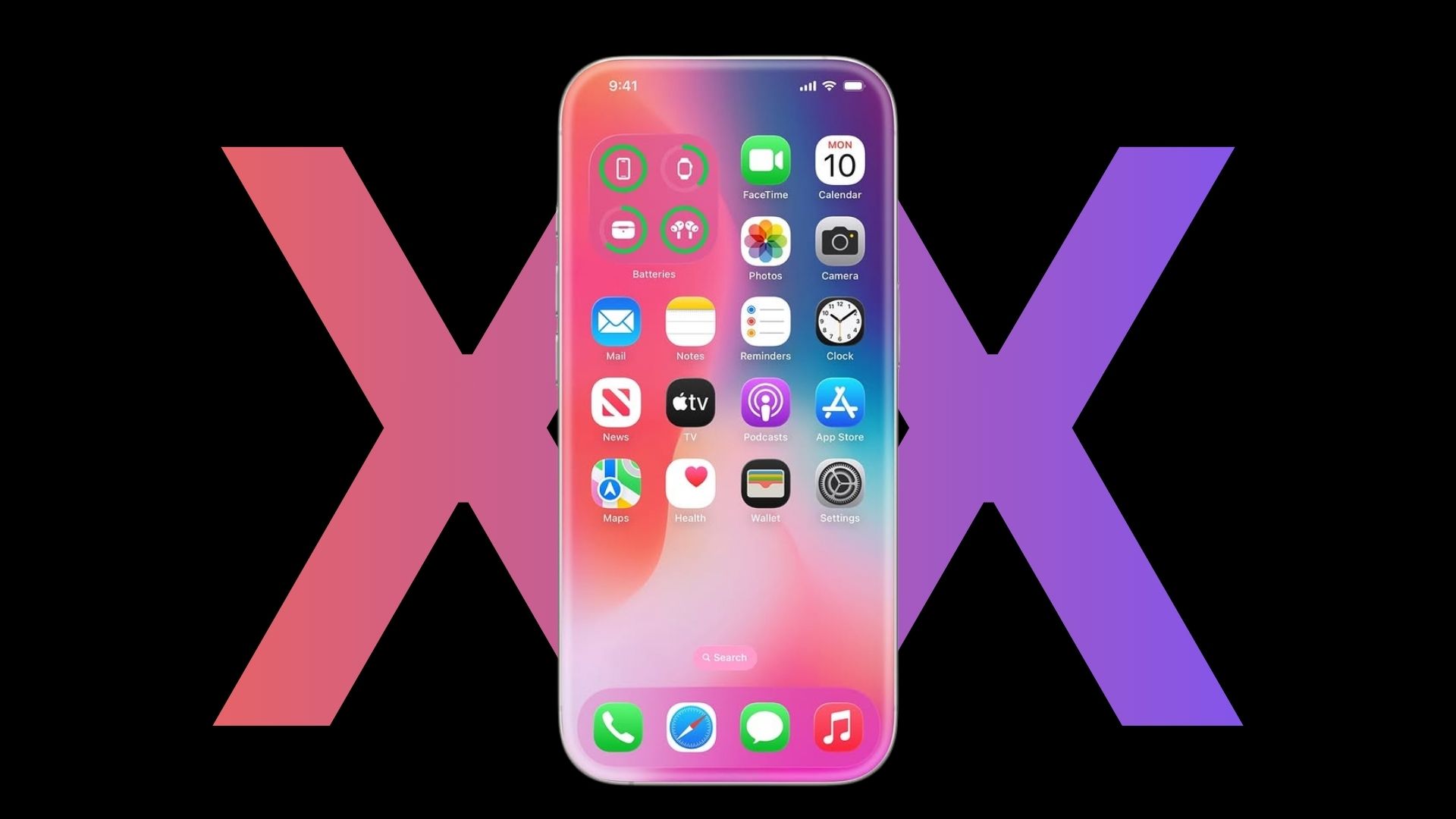
Apple is poised to revolutionize smartphone aesthetics with its upcoming 2027 iPhone, marking the device’s 20th anniversary. Codenamed Glasswing, this design initiative aims to create a harmonious blend between the iPhone’s hardware and the iOS interface, resulting in a device that feels like a singular, continuous surface.
Inspiration from Nature
The Glasswing project draws inspiration from the glasswing butterfly, renowned for its transparent wings. This natural marvel has influenced Apple to develop an iPhone with glass edges that seamlessly curve into the display on all four sides, effectively eliminating traditional bezels. This design philosophy is not merely aesthetic but is deeply integrated with the software, particularly the Liquid Glass interface introduced in iOS 26.
Liquid Glass Interface: A Unified Experience
Introduced in iOS 26, the Liquid Glass interface brought a transparent, layered look to Apple’s software ecosystem. This design language emphasizes translucency and depth, creating a more immersive user experience. With the Glasswing design, Apple intends to push this integration further, making the interface feel like an extension of the physical device itself. This approach signifies a departure from treating hardware and software as separate entities, aiming instead for a cohesive and unified user experience.
Strategic Rollout with Pro Models
Analyst Jeff Pu suggests that this ambitious design will debut with the 2027 iPhone Pro and iPhone Pro Max models, rather than as a standalone iPhone 20. This strategy allows Apple to introduce the innovative design to its premium lineup first, gauging user reception and performance before potentially extending elements of the design to more affordable models in subsequent releases.
Implications for Users
For consumers, the Glasswing design represents more than just an aesthetic overhaul. It signifies a deeper integration between hardware and software, promising a more intuitive and immersive user experience. The seamless design is expected to enhance the visual appeal of the device, while the integration with the Liquid Glass interface aims to provide a more fluid and responsive interaction.
Historical Context and Future Prospects
Apple’s pursuit of a seamless glass design is not entirely new. In August 2025, a patent filing detailed a six-sided glass enclosure, envisioning an iPhone that appears as a single slab of glass with displays on all sides. This concept aligns with the Glasswing design philosophy, indicating a long-term vision for creating devices with uninterrupted glass surfaces.
Furthermore, Apple’s exploration of materials like liquid metal and new forms of titanium for potential foldable iPhone models suggests a broader commitment to innovative design and material science. These developments hint at a future where Apple devices are not only more aesthetically pleasing but also more durable and functional.
Conclusion
The 2027 iPhone’s Glasswing design represents a significant leap in Apple’s design evolution, aiming to blur the lines between hardware and software. By drawing inspiration from nature and integrating it with advanced technology, Apple continues to set new standards in the smartphone industry. As the release date approaches, anticipation builds for a device that promises to redefine user experience through its seamless and unified design.