Elon Musk’s Expert Witness Highlights AGI Arms Race Concerns in OpenAI Trial
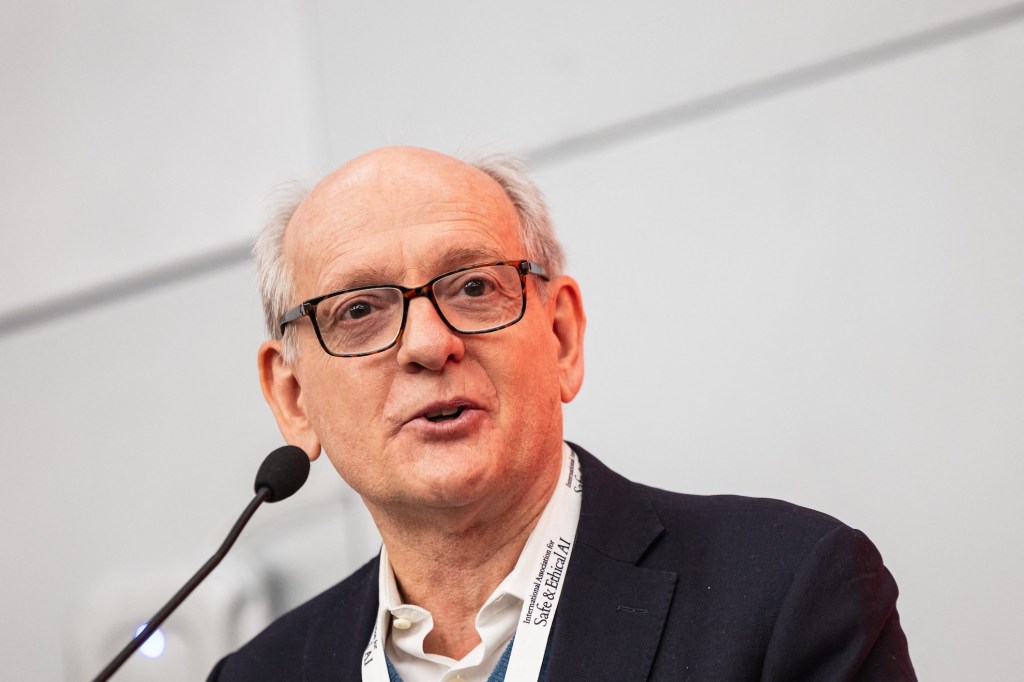
In the ongoing legal battle between Elon Musk and OpenAI, a pivotal moment unfolded as Stuart Russell, a distinguished computer science professor from the University of California, Berkeley, took the stand. Russell, renowned for his extensive research in artificial intelligence (AI), was called upon by Musk’s legal team to shed light on the potential dangers associated with the rapid development of AI technologies.
Musk’s lawsuit contends that OpenAI has deviated from its original nonprofit mission, which was centered on ensuring AI advancements benefit humanity. Instead, the organization is accused of pursuing profit-driven objectives. To substantiate this claim, Musk’s attorneys presented historical communications from OpenAI’s founders, emphasizing the necessity of creating a public-spirited counterbalance to entities like Google DeepMind.
During his testimony, Russell highlighted a spectrum of risks tied to AI progression. These ranged from cybersecurity vulnerabilities to challenges related to misalignment, where AI systems’ goals might not align with human values. He also pointed out the competitive rush among organizations to achieve artificial general intelligence (AGI), a scenario he described as a winner-take-all race. Russell emphasized the inherent tension between the pursuit of AGI and the imperative of safety, suggesting that the drive to be first could overshadow essential safety considerations.
Notably, in March 2023, Russell co-signed an open letter advocating for a six-month pause in AI research to allow for comprehensive safety assessments. Elon Musk also endorsed this letter, even as he was establishing xAI, his own for-profit AI venture. This juxtaposition underscores the complex dynamics at play, where leaders in the AI field grapple with balancing innovation and safety.
While Russell’s broader concerns about the existential threats posed by unchecked AI development were curtailed in court due to objections from OpenAI’s legal representatives, his longstanding advocacy for stringent governmental regulation in the AI sector remains evident. He has consistently criticized the global arms-race mentality among leading AI labs, urging for more robust oversight to prevent potential hazards.
OpenAI’s defense strategy involved questioning Russell’s direct knowledge of the organization’s corporate structure and specific safety protocols. This line of inquiry aimed to challenge the relevance and applicability of his testimony to the case at hand.
The trial brings to the forefront the intricate relationship between corporate ambitions and AI safety. Many of OpenAI’s original founders have publicly acknowledged the risks associated with AI, even as they champion its benefits and strive for rapid advancements. This duality reflects the broader industry challenge of fostering innovation while ensuring ethical and safe development practices.
A significant factor contributing to OpenAI’s strategic shift was the realization that substantial computational resources were essential for success. Securing these resources necessitated attracting for-profit investments, leading to internal tensions and, ultimately, the current legal dispute. This scenario mirrors national-level debates, where policymakers like Senator Bernie Sanders advocate for moratoriums on data center constructions, echoing AI safety concerns voiced by figures such as Musk, Sam Altman, and Geoffrey Hinton.
The court is now tasked with navigating these multifaceted arguments, weighing the interplay between corporate objectives and the imperative of AI safety. As the trial progresses, it underscores the broader societal discourse on the responsible development and deployment of AI technologies.