Why Buying Last Year’s Android Flagship Might Be Your Best Bet in 2026
The tech industry is currently grappling with a significant memory shortage, often referred to as RAMageddon, which has led to increased prices across various devices, including smartphones. This situation has resulted in new models being released with minimal upgrades but at higher price points, prompting consumers to reconsider their purchasing decisions.
The Impact of RAMageddon on Smartphone Pricing
The surge in demand for memory components, driven by advancements in artificial intelligence and other technologies, has caused a substantial increase in the cost of DRAM and NAND flash storage. This escalation has affected a wide range of consumer electronics, from gaming consoles to laptops, and notably, smartphones. Manufacturers are faced with the challenge of either absorbing these costs or passing them on to consumers.
Minimal Upgrades, Maximum Prices
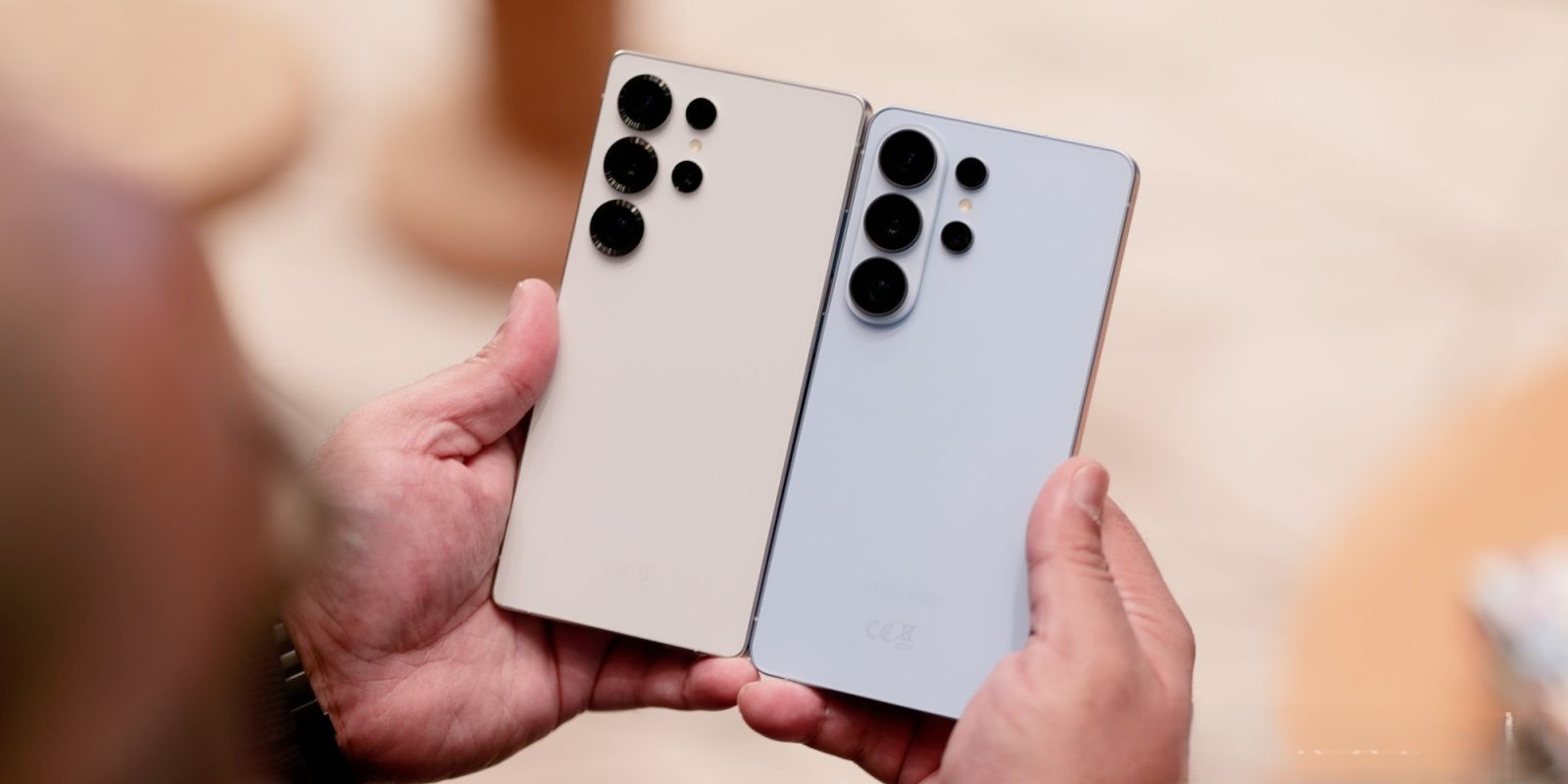
In response to rising component costs, many smartphone manufacturers have opted to release new models that offer minimal improvements over their predecessors but come with higher price tags. For instance, Samsung’s Galaxy S26 series introduced base and Plus models with few changes yet increased prices by $100. Similarly, Motorola’s latest Razr lineup saw price hikes of up to $200, with the base model even experiencing a downgrade in storage capacity.
The Case for Last Year’s Flagships
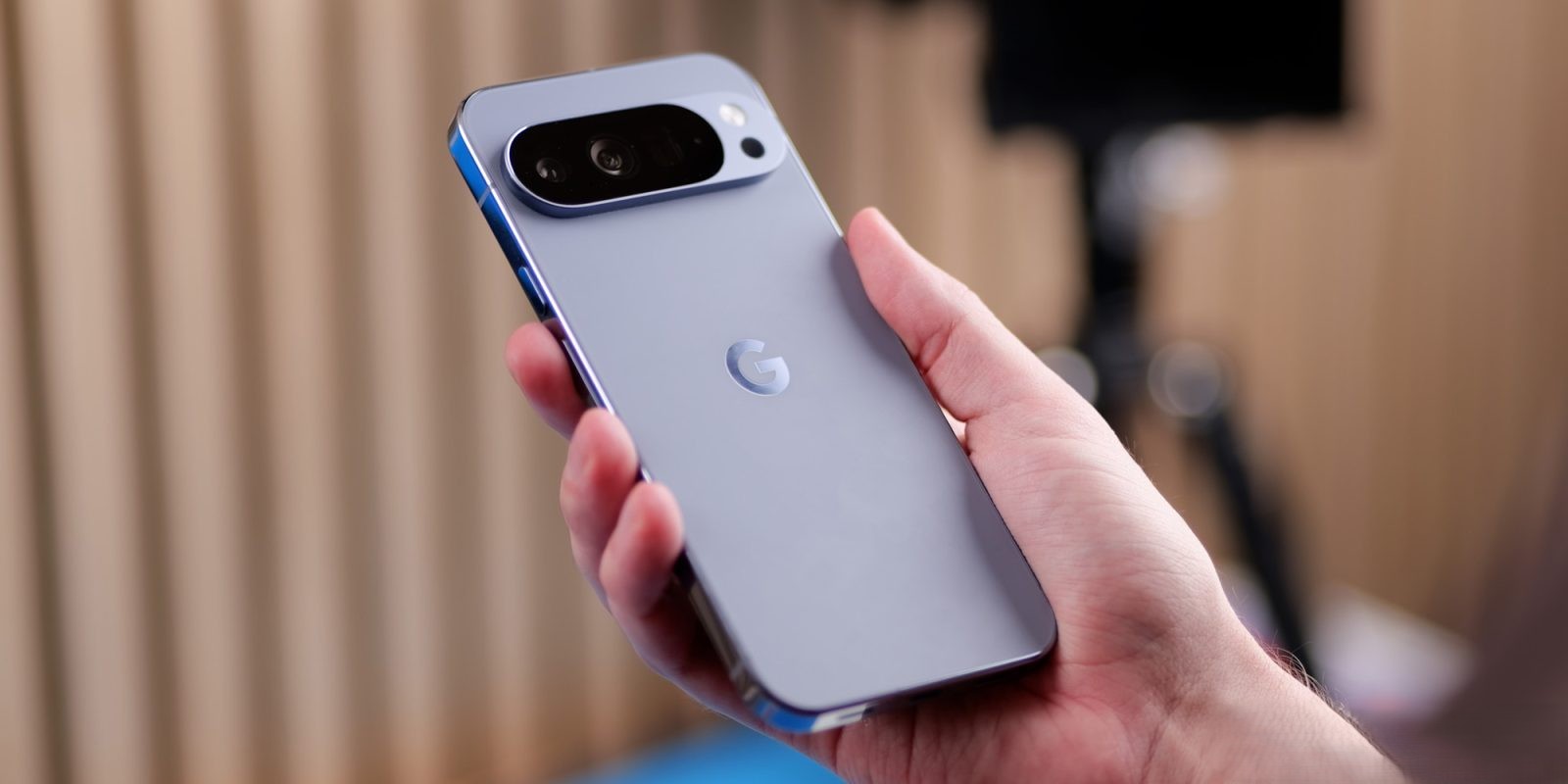
Given the current market dynamics, purchasing last year’s flagship models has become an increasingly attractive option. These devices often offer comparable performance and features to the latest releases but at significantly reduced prices. For example, the 2025 Motorola Razr Ultra, which originally retailed for $1,500, is now available at nearly half the price, offering substantial savings without sacrificing functionality.
Extended Software Support: A Silver Lining
One positive trend in the industry is the extension of software support policies. Manufacturers like Samsung are now offering up to six years of security updates for their devices. This means that purchasing a slightly older model doesn’t necessarily compromise on software longevity, making last year’s flagships a viable and cost-effective choice.
Conclusion
In the face of rising smartphone prices and minimal hardware advancements, consumers are encouraged to consider last year’s flagship models. These devices provide high-end features and performance at more affordable prices, coupled with extended software support, making them a smart choice in the current market landscape.