Apple Prepares to Enable App Sideloading in Brazil with iOS 26.5 Release Candidate
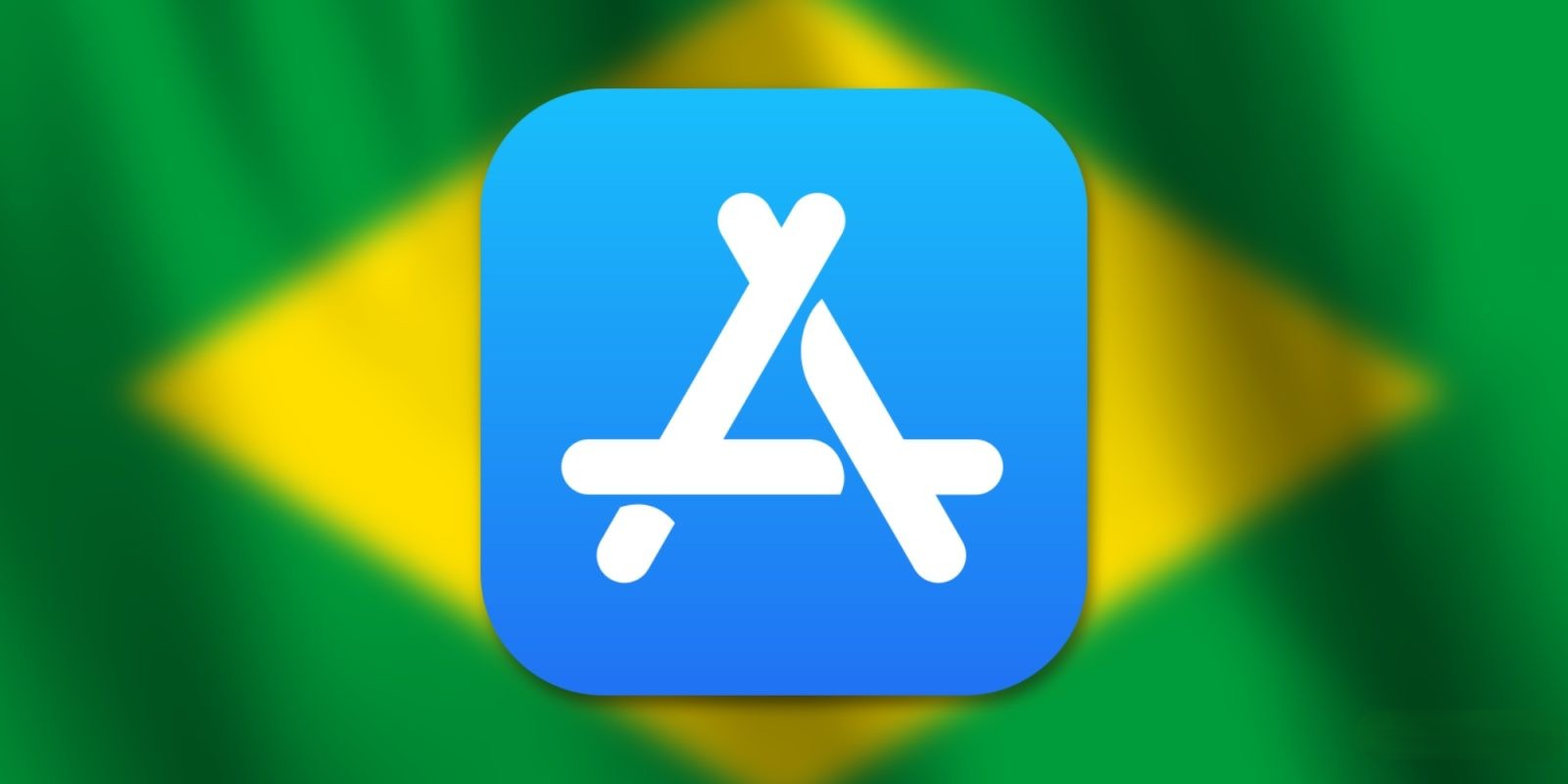
Apple is on the verge of a significant policy shift in Brazil, as the iOS 26.5 Release Candidate (RC) introduces support for app sideloading—a feature that allows users to install applications from sources outside the official App Store. This development follows a directive from Brazil’s competition authority, the Conselho Administrativo de Defesa Econômica (CADE), which mandated Apple to permit alternative app distribution and third-party payment options within the country.
Background of the Antitrust Dispute
The journey toward this change began in 2022 when MercadoLibre, a leading Latin American e-commerce company, lodged a complaint against Apple. The grievance centered on allegations that Apple was leveraging its control over iOS app distribution and payment systems to stifle competition. This complaint set off a series of legal proceedings and appeals, culminating in a settlement between Apple and CADE in 2025. Under the terms of this agreement, Apple committed to allowing alternative methods for app distribution and the use of third-party payment systems in Brazil.
Technical Implementation in iOS 26.5 RC
The iOS 26.5 RC, released on May 4, 2026, includes code that lists Brazil among the regions where sideloading is supported, alongside Japan and the European Union. This inclusion indicates that Apple is laying the groundwork to comply with CADE’s requirements. However, as of now, the functionality to install apps from outside the App Store is not yet active. It is anticipated that Apple will enable this feature in the near future, possibly coinciding with the official release of iOS 26.5.
Apple’s Stance on User Security
In response to the regulatory demands, Apple has expressed concerns about potential privacy and security risks associated with sideloading. The company has stated that while it is implementing changes to comply with CADE’s directives, it is also striving to maintain robust protections against various threats. Apple emphasizes its commitment to ensuring that iOS remains a secure and user-friendly platform, even as it adapts to new regulatory landscapes.
Implications for Developers and Users
The introduction of app sideloading in Brazil represents a significant shift in the iOS ecosystem. For developers, this change opens up new avenues for distributing applications without adhering to the stringent guidelines and fees associated with the App Store. This could lead to increased innovation and a more diverse range of apps available to users. For consumers, sideloading offers greater flexibility in app selection and the potential for more competitive pricing, as developers may pass on savings from bypassing App Store fees.
Global Context and Future Outlook
Brazil’s move to require app sideloading aligns with a broader global trend of scrutinizing the practices of major tech companies to promote fair competition and consumer choice. Similar regulatory pressures have been observed in other regions, including the European Union and Japan, which are also listed in iOS 26.5 RC as supporting sideloading. This suggests that Apple is preparing to implement similar changes in multiple markets, potentially setting a precedent for how it operates worldwide.
As the official release of iOS 26.5 approaches, all eyes will be on Apple to see how it balances regulatory compliance with its commitment to user security and platform integrity. The activation of sideloading in Brazil could serve as a test case for the company’s ability to adapt to evolving legal requirements while maintaining the quality and security standards that users have come to expect.