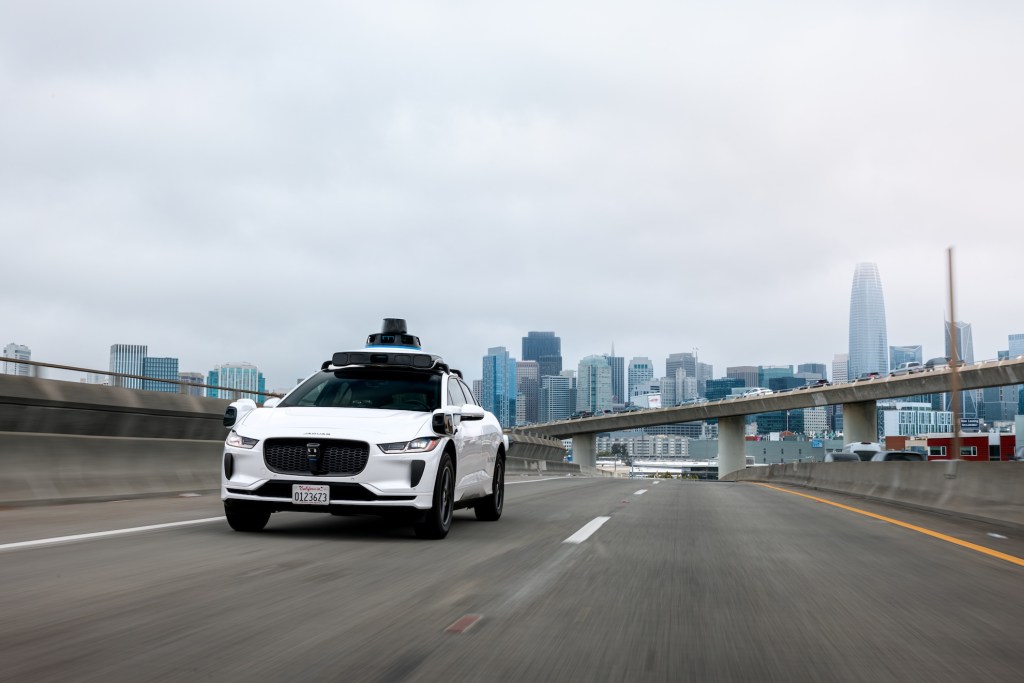
Navigating the New Rules: California’s Approach to Regulating Robotaxis
The rapid advancement of autonomous vehicle (AV) technology has ushered in a new era of transportation, with robotaxis becoming an increasingly common sight on California’s roads. In response to this technological evolution, the California Department of Motor Vehicles (DMV) has introduced comprehensive regulations aimed at overseeing the testing and deployment of these self-driving vehicles. These new rules, spanning 100 pages, address critical aspects such as data collection, operational protocols, and the enforcement of traffic laws for autonomous vehicles.
Enforcement of Traffic Violations for Robotaxis
A pivotal component of the new regulations is the establishment of a framework for addressing traffic violations committed by autonomous vehicles. Under the Notice of Autonomous Vehicle Noncompliance provision, law enforcement agencies are empowered to issue citations directly to AV manufacturers for infractions committed by their vehicles. Upon receiving such a notice, the manufacturer is obligated to report the violation to the DMV within 72 hours.
This approach signifies a shift in accountability, placing the onus on AV companies to ensure their vehicles adhere to traffic laws. While the regulations do not specify monetary fines for these violations, the accumulation of such notices could influence the DMV’s oversight and regulatory actions concerning the offending companies. Industry insiders suggest that the emphasis on data collection over financial penalties underscores the DMV’s commitment to monitoring and improving AV performance on public roads.
Expansion to Heavy-Duty Autonomous Vehicles
Another significant development within the new regulations is the authorization for heavy-duty autonomous vehicles to operate on public roads. This expansion opens avenues for self-driving technology to be applied to larger vehicles, such as trucks, potentially revolutionizing logistics and freight transportation.
Companies specializing in autonomous trucking have expressed strong support for this regulatory change. Daniel Goff, Vice President of External Affairs at Kodiak, indicated that the company is actively preparing the necessary documentation to apply for testing permits under the new guidelines. This move is anticipated to accelerate the integration of autonomous technology into the commercial trucking industry, promising enhanced efficiency and safety.
Industry Perspectives and Challenges
The introduction of these regulations has elicited a range of responses from stakeholders within the AV industry. While there is general consensus on the importance of clear regulatory frameworks, some industry representatives have raised concerns about the potential operational burdens imposed by the new rules. The requirement for prompt reporting of violations and the emphasis on data sharing are seen as measures that could enhance transparency and public trust. However, they also necessitate robust internal processes and resources to ensure compliance.
Moreover, the absence of monetary fines for traffic violations has sparked debate. Some argue that financial penalties could serve as a stronger deterrent against noncompliance, while others believe that the focus on data collection is more conducive to long-term improvements in AV performance and safety.
Implications for the Future of Autonomous Vehicles
California’s proactive stance in regulating autonomous vehicles sets a precedent that could influence policies in other jurisdictions. By addressing critical issues such as traffic law enforcement and the inclusion of heavy-duty vehicles, the state is laying the groundwork for the broader adoption of AV technology.
For AV companies, these regulations present both challenges and opportunities. Compliance will require significant investment in monitoring and reporting systems, but adherence to these standards could also facilitate smoother integration of autonomous vehicles into the existing transportation infrastructure. Furthermore, the clear guidelines provided by the DMV may encourage innovation by establishing a predictable regulatory environment.
Conclusion
As autonomous vehicles continue to evolve, regulatory frameworks like those introduced by the California DMV are essential in ensuring that this technology develops in a manner that prioritizes public safety and accountability. The new rules represent a significant step toward integrating robotaxis and other autonomous vehicles into the transportation ecosystem, balancing innovation with the need for oversight. The coming years will be crucial in assessing the effectiveness of these regulations and their impact on the future of autonomous transportation.