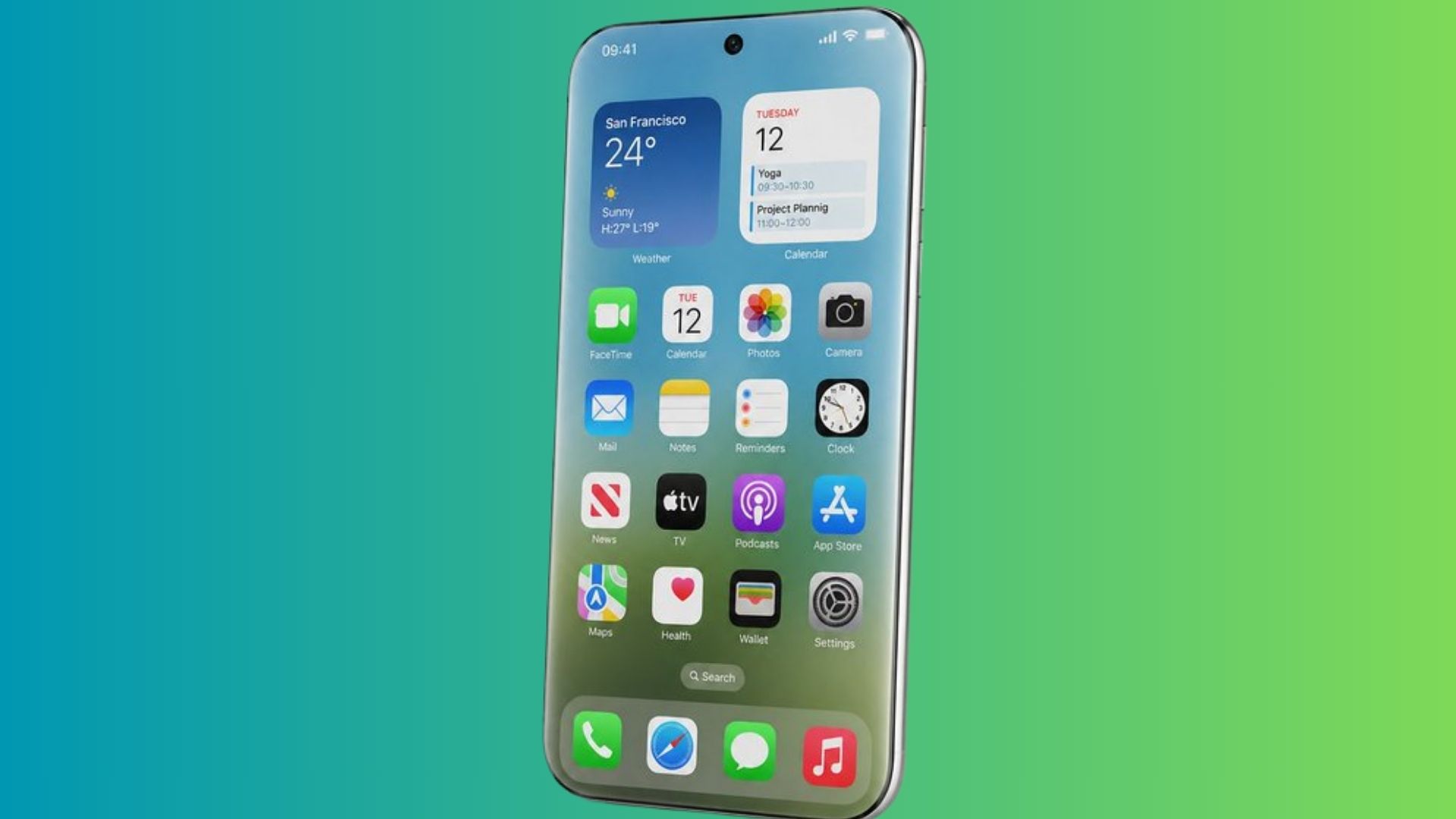
Apple is reportedly developing a groundbreaking Liquid Glass Display technology aimed at eliminating visible bezels in future iPhone models. This innovative approach seeks to create a seamless, edge-to-edge screen experience by utilizing advanced optical techniques to bend light around the device’s edges, effectively making the borders disappear from the user’s view.
## The Vision Behind Liquid Glass Displays
The concept of Liquid Glass Displays represents a significant departure from traditional smartphone screen designs. Instead of physically reducing the size of the bezels, Apple is exploring methods to manipulate light in such a way that the edges of the screen blend seamlessly into the device’s frame. This optical illusion would give the impression of a continuous, uninterrupted display, enhancing the immersive experience for users.
According to reports, this technology involves a specialized optical setup that directs light from the display panel to bend outward toward the edges of the casing. By doing so, the light effectively covers the physical borders of the phone, making them invisible to the user. This approach allows the device to maintain its structural integrity while delivering the coveted edge-to-edge display aesthetic.
## Insights from Industry Leaks
Renowned leaker Ice Universe has shared details about Apple’s progress with Liquid Glass Displays. The leaker suggests that Apple is actively testing this design, aiming to make the entire front of the device appear as a single, unbroken sheet of glass. This development aligns with the industry’s ongoing pursuit of bezel-less smartphone designs, a trend that has been gaining momentum over the past few years.
Ice Universe explains that the Liquid Glass setup forces light from the display panel to bend outward toward the edges of the casing. This light essentially covers the physical border of the phone, so the user only sees active pixels. It’s essentially a physical optical illusion built right into the top glass layer. This means the next iPhone might still have a tiny internal frame to hold everything together. However, users will never actually see that frame because the curved light completely blocks it out. This allows the device to keep its structural strength while giving buyers the edge-to-edge look everyone desires.
## The Evolution of Display Technology
Apple’s exploration of Liquid Glass Displays is part of a broader trend in the smartphone industry to maximize screen real estate and enhance user engagement. Traditional methods of achieving bezel-less designs have involved physically reducing the size of the bezels or incorporating curved screens. However, these approaches often come with trade-offs in terms of durability and manufacturing complexity.
By focusing on optical techniques to create the illusion of a borderless display, Apple aims to overcome these challenges. This method not only preserves the device’s structural integrity but also offers a more natural and undisturbed viewing experience. The subtle curvature and light-bending properties of the Liquid Glass Display could set a new standard for smartphone design, differentiating Apple’s offerings from competitors.
## Potential Implications and Industry Impact
The introduction of Liquid Glass Displays could have far-reaching implications for the smartphone market. For consumers, this technology promises a more immersive and aesthetically pleasing experience, with content appearing to float seamlessly on the device’s surface. For Apple, it represents an opportunity to reinforce its position as an innovator in design and technology.
Moreover, the adoption of Liquid Glass Displays may influence other manufacturers to explore similar technologies, potentially leading to a new wave of design innovations across the industry. As companies strive to differentiate their products, advancements in display technology will likely play a crucial role in shaping the future of smartphones.
## Challenges and Considerations
While the prospects of Liquid Glass Displays are exciting, there are several challenges that Apple must address to bring this technology to market. Ensuring the durability and reliability of the optical components is paramount, as any imperfections could compromise the illusion of a borderless display. Additionally, manufacturing processes will need to be refined to accommodate the new design without significantly increasing production costs.
User experience is another critical factor. Apple will need to ensure that the optical illusion does not cause visual discomfort or distortions, particularly when viewing content at different angles or under varying lighting conditions. Extensive testing and user feedback will be essential to fine-tune the technology before it reaches consumers.
## Looking Ahead
As Apple continues to explore and develop Liquid Glass Display technology, the anticipation for future iPhone models grows. If successful, this innovation could redefine the standards for smartphone design, offering users a more immersive and visually striking experience. While the exact timeline for the introduction of Liquid Glass Displays remains uncertain, the industry’s focus on bezel-less designs suggests that such advancements are on the horizon.
In conclusion, Apple’s pursuit of Liquid Glass Displays underscores its commitment to pushing the boundaries of technology and design. By leveraging advanced optical techniques to eliminate visible bezels, Apple aims to deliver a seamless and captivating user experience that sets its devices apart in a competitive market.