WhatsApp’s New Cloud Backup: Enhanced Security and User Control
WhatsApp is developing its own cloud backup system to provide users with greater control over their chat histories and to enhance data security. This initiative aims to reduce dependence on third-party cloud services like Google Drive and Apple’s iCloud, while implementing stringent encryption protocols.
Addressing Storage Limitations
As users increasingly share high-resolution media, WhatsApp backups can consume significant portions of personal cloud storage. Currently, Android and iOS users store their backups on their respective default cloud providers, which share storage space with emails, device backups, and other data. Once storage limits are reached, users must delete files or purchase additional space.
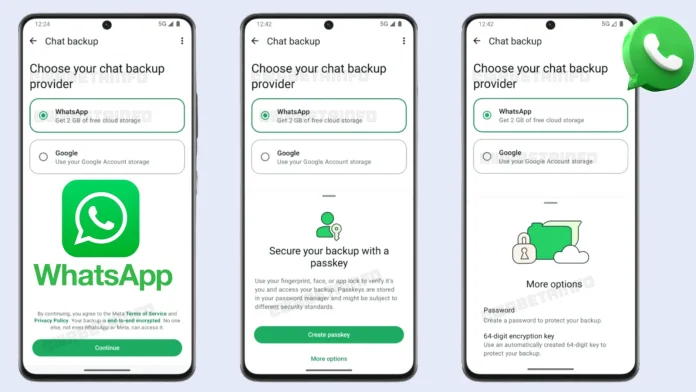
To alleviate this issue, WhatsApp is developing a dual-provider system. Users will have the option to continue using their current third-party service or switch to WhatsApp’s dedicated backup platform. Key aspects of the new storage system include:
– Free Storage Tier: WhatsApp plans to offer a free tier with up to 2 GB of storage. It’s currently unclear whether this will be available to all users or reserved for WhatsApp Plus subscribers.
– Premium Storage Plan: A premium plan offering 50 GB of storage for approximately $0.99 is under consideration. This provides an affordable option for users with extensive chat archives and media libraries.
These pricing models and storage limits are preliminary and may change based on market testing.
Mandatory End-to-End Encryption
Security is a central focus of WhatsApp’s independent storage system. If users choose WhatsApp’s native cloud for backups, end-to-end encryption becomes mandatory for all stored data. This ensures that chat histories remain inaccessible to unauthorized parties, including WhatsApp itself.
To make this encryption both secure and user-friendly, WhatsApp is integrating device-based authentication. Users will have three options to secure their backup data:
1. Passkeys: Serving as the default method, passkeys allow users to unlock backups using hardware-backed biometric scans, such as fingerprints or facial recognition.
2. Alphanumeric Passwords: Traditional passwords remain available for users who prefer manual entry.
3. 64-Digit Encryption Key: For advanced users seeking maximum cryptographic control, a 64-digit encryption key offers a manual recovery option.
Passkeys represent a significant security upgrade for average users. Securely stored in a password manager and tied to trusted devices, they eliminate the risk of forgotten passwords and protect against remote phishing attacks.
Development and Rollout
The WhatsApp Chat Backup Provider is currently under active development. Engineers are rigorously testing the feature to ensure seamless integration with existing security frameworks. Following internal validation, the feature will gradually roll out to select beta testers.
Implications for Users
This development signifies WhatsApp’s commitment to enhancing user privacy and control. By offering an independent cloud backup system with mandatory end-to-end encryption, WhatsApp aims to provide a more secure and user-friendly experience.
Conclusion
WhatsApp’s initiative to develop its own cloud backup system addresses storage limitations and enhances data security. By reducing reliance on third-party services and implementing mandatory end-to-end encryption, WhatsApp is taking significant steps to protect user data and provide greater control over personal information.
Twitter Post: WhatsApp is developing its own cloud backup system with mandatory end-to-end encryption, offering users enhanced security and control over their chat histories. #WhatsApp #DataPrivacy #Encryption
Focus Key Phrase: WhatsApp cloud backup system
Article X Post:
Hashtags:
Article Key Phrase:
Category: Security News