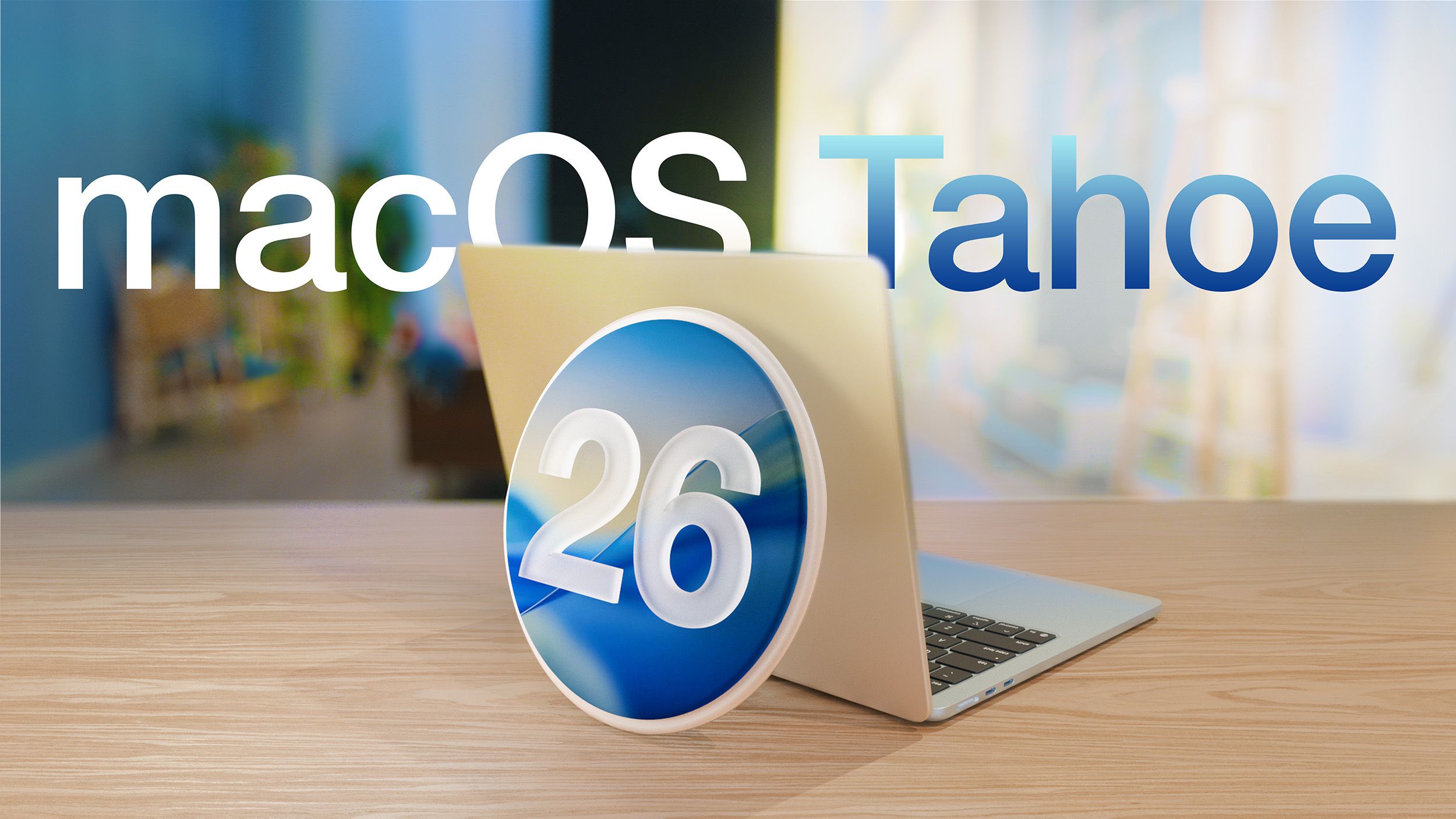
MacBook Neo Demand Surges: Availability Challenges and Alternative Purchasing Options
Apple’s latest budget-friendly laptop, the MacBook Neo, has taken the market by storm, leading to significant inventory shortages across the United States. Customers attempting to purchase the device directly from Apple’s official website are now encountering wait times extending up to three weeks. This overwhelming demand has resulted in the rapid depletion of the $599 model shortly after its initial release.
Exploring Alternative Retailers for Immediate Availability
For those eager to acquire the MacBook Neo without enduring prolonged delays, several third-party retailers offer viable solutions:
Amazon: Competitive Pricing with Expedited Shipping
Amazon currently maintains a comprehensive stock of all MacBook Neo configurations. Customers can benefit from a modest discount of $9 on the standard price, bringing the base 256GB model down to $590, while the 512GB version with Touch ID is available for $690. Standard free delivery ensures the laptop reaches buyers by May 2. Prime members can enjoy even faster service, with same-day shipping available for the 256GB models in numerous locations. Additionally, those seeking more powerful options can find the M5 MacBook Air discounted by $150, reducing the price of the 512GB 13-inch model to $949.99.
Walmart: Rapid Delivery Without Price Reductions
Walmart also offers the MacBook Neo, albeit without any price discounts. However, the retailer compensates with swift fulfillment times, matching its competitors. Customers can expect delivery estimates between April 28 and April 29 for all models, regardless of the chosen storage capacity. This expedited timeline is particularly advantageous for Walmart+ subscribers seeking immediate access to the device.
Understanding the MacBook Neo’s Popularity and Supply Constraints
The MacBook Neo’s affordability and impressive features have contributed to its soaring popularity. Priced at $599, it offers a 13-inch Liquid Retina display, the A18 Pro chip, and a design that emphasizes repairability with modular components. However, this unexpected demand has led to supply chain challenges, particularly concerning the A18 Pro chips. Apple initially utilized binned A18 Pro chips—processors with one disabled GPU core not meeting the full specifications required for the iPhone 16 Pro—to keep costs low. The rapid depletion of these chips has forced Apple to reconsider its production strategies to meet consumer demand.
Potential Solutions and Future Outlook
To address the supply shortage, Apple is exploring several options:
– Restarting A18 Pro Chip Production: This approach would involve higher manufacturing costs due to existing 3nm production lines operating at full capacity.
– Shifting Chip Allocation: Reallocating chips from other products could increase costs and disrupt broader production plans.
– Adjusting Pricing: Apple may consider removing the $599 base model, retaining only the $699 variant to protect profit margins.
– Accelerating Next-Generation Models: Expediting the development of the next MacBook Neo with the A19 Pro chip, originally slated for a later release, is another potential solution.
Despite these challenges, the MacBook Neo’s success underscores its appeal to a broad audience, including students, families, and first-time Mac users. Its combination of affordability, performance, and design positions it as a compelling choice in the laptop market.
Conclusion
While Apple’s direct channels face inventory shortages and extended wait times for the MacBook Neo, alternative retailers like Amazon and Walmart provide immediate availability, often with added benefits such as discounts and expedited shipping. As Apple navigates supply chain constraints and explores solutions to meet the unexpected demand, consumers have multiple avenues to acquire this sought-after device without significant delays.