Surging Data Center Demand Triggers 66% Increase in Natural Gas Power Plant Costs
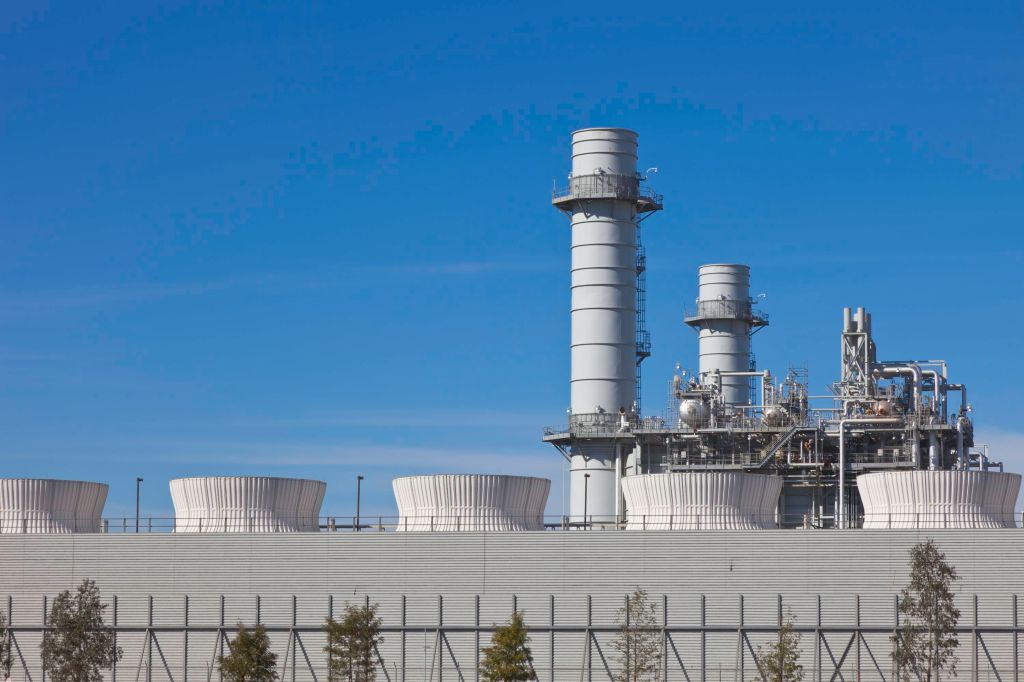
The rapid expansion of data centers, driven by tech giants like Microsoft and Meta, has led to a significant surge in the construction of natural gas power plants. This trend has resulted in a 66% increase in the cost of building these facilities over the past two years, as reported by BloombergNEF.
Despite the ongoing conflict in Iran, natural gas prices in the U.S. have remained relatively low. However, the capital expenditure for constructing new combined cycle gas turbine (CCGT) power plants has escalated from under $1,500 per kilowatt of generating capacity in 2023 to $2,157 in 2025. Additionally, the timeline for completing these facilities has extended by 23%.
Data centers are a primary catalyst for the increased electricity demand, prompting both tech companies and utilities to invest heavily in natural gas infrastructure. The Trump administration has encouraged data center operators to bring their own power, leading to utilities passing the costs of new generation onto consumers. This has sparked growing public opposition to data centers.
Projections indicate that data center energy consumption will nearly triple, rising from 40 gigawatts today to 106 gigawatts by 2035. This surge is partly due to the increasing size of data centers. Currently, only 10% of facilities exceed 50 megawatts, but within the next decade, the average data center is expected to surpass 100 megawatts.
Traditionally, tech companies have favored grid-connected data centers supported by power purchase agreements for renewable energy sources like wind, solar, and batteries. However, the escalating electricity demand, fueled by advancements in artificial intelligence and public discontent towards data centers, has led to a shift towards natural gas projects.
The rush to build natural gas power plants has resulted in a shortage of gas turbines. By the end of this year, the cost of these turbines, which account for up to 30% of a new power plant’s expenses, is expected to be 195% higher than in 2019. The manufacturing processes for gas turbines are not easily scalable, leading to waitlists extending into the early 2030s.
Not all companies are following this trend. Google is exploring alternative approaches by investing in renewable energy sources combined with long-duration energy storage solutions, such as Form Energy’s iron-air batteries capable of releasing electricity over 100 hours. Unlike gas turbines, the costs of solar panels and batteries have been decreasing over time, presenting a viable alternative to the rising expenses associated with natural gas power plants.