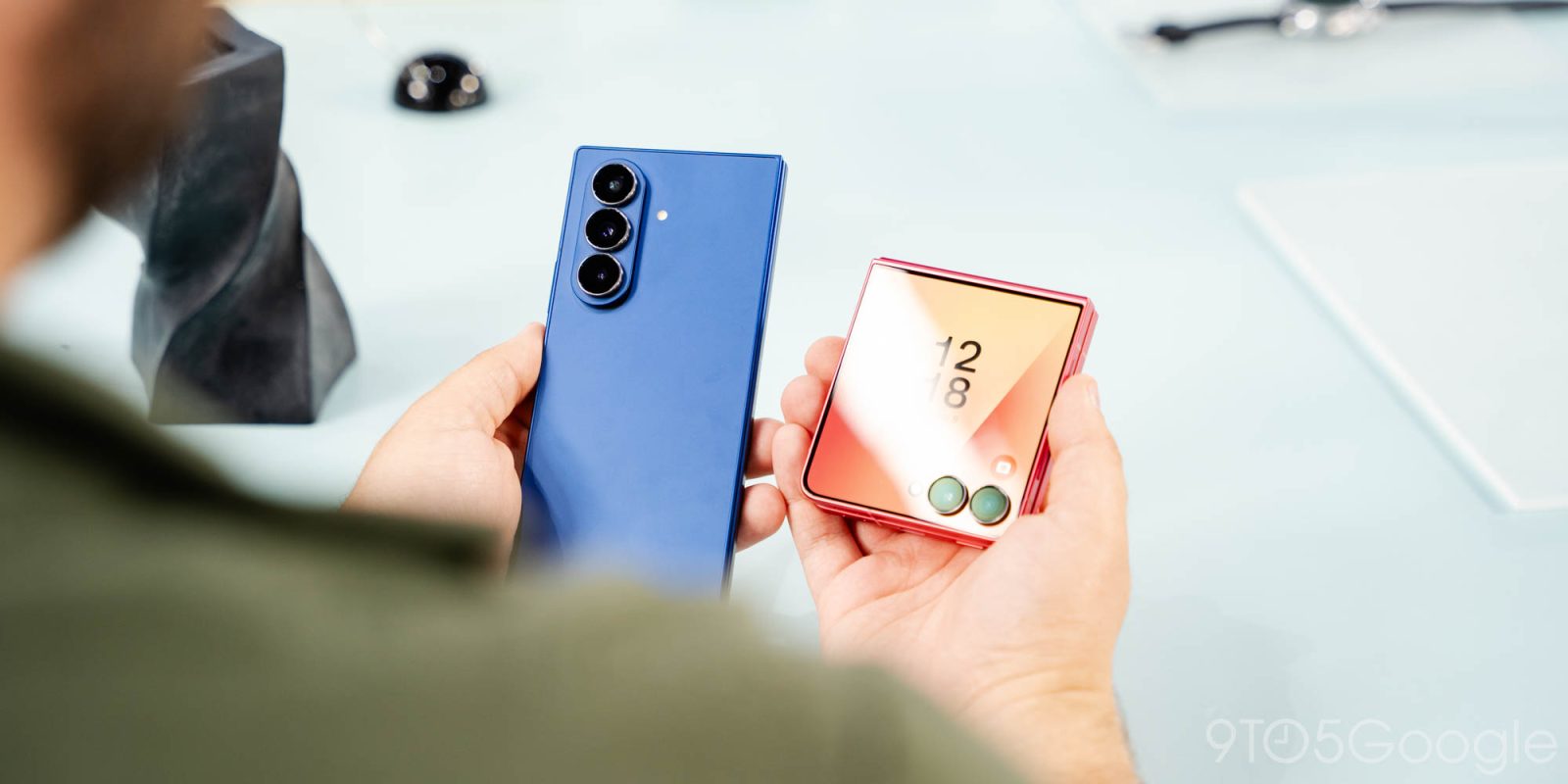
Samsung Faces Patent Infringement Lawsuit Over Foldable Phones
Samsung Electronics is currently embroiled in a legal battle initiated by Lepton Computing LLC, a company that claims to be the original developer of foldable phone technology. Lepton has filed a lawsuit in the U.S. District Court for the Eastern District of Texas, alleging that Samsung’s foldable devices infringe upon nine of its patents. These patents encompass various aspects of foldable technology, including display protection mechanisms, hardware structures, sensor integrations, and software functionalities related to multitasking and app continuity during the folding and unfolding processes.
Lepton asserts that its innovations in foldable phone technology date back to 2008, with concepts and prototypes developed during that period. Despite these claims, the company has not released any commercial smartphone products to date. The lawsuit specifically targets Samsung’s Galaxy Z Fold 3, Galaxy Z Flip 3, and subsequent foldable models, citing that these devices incorporate technologies covered by Lepton’s patents, which were registered in 2021.
The legal action seeks monetary damages from Samsung and aims to secure a permanent injunction that would prohibit the sale of Samsung’s foldable devices in the United States. If successful, this injunction could significantly impact Samsung’s market presence in the foldable smartphone segment within the region.
However, several factors cast doubt on the likelihood of such an injunction being granted. Lepton Computing LLC is a relatively obscure entity with no public contact information and reportedly only two employees. The company’s lack of a commercial product lineup and its focus on patent litigation suggest that it may function as a Non-Practicing Entity (NPE), commonly referred to as a patent troll. NPEs typically acquire patents not to develop products but to seek licensing fees or legal settlements from companies that allegedly infringe on their intellectual property.
The timing of Lepton’s patent registrations in 2021, two years after Samsung began marketing its foldable devices, further complicates the case. This sequence of events may bolster Samsung’s defense, potentially leading to the dismissal of the lawsuit or a favorable settlement. Legal experts often view such cases with skepticism, especially when the plaintiff lacks a history of product development or commercialization.
In the broader context, this lawsuit highlights the challenges and complexities inherent in the rapidly evolving field of foldable technology. As major tech companies invest heavily in research and development to bring innovative products to market, they must also navigate a landscape fraught with intellectual property disputes. The outcome of this case could set a precedent for how similar disputes are handled in the future, particularly concerning the activities of NPEs in the technology sector.
Samsung has yet to release an official statement regarding the lawsuit. Industry observers will be closely monitoring the proceedings to assess their potential impact on the company’s operations and the foldable smartphone market at large.