Apple’s Leadership Shift, DOJ’s Legal Maneuvers, and the Apple Vision Pro’s Cinematic Impact
In this week’s Sunday Reboot, we delve into significant developments within Apple’s sphere, including a major leadership transition, the Department of Justice’s (DOJ) recent legal strategies, and the innovative use of the Apple Vision Pro in the film industry.
Apple’s Leadership Transition and the Speculation Surrounding It
On April 20, 2026, Apple announced a pivotal change in its executive leadership. Tim Cook, who has helmed the company since 2011, will step down as CEO on September 1, 2026. Succeeding him will be John Ternus, the current Senior Vice President of Hardware Engineering. Cook will continue to serve as executive chairman, ensuring a degree of continuity during this transition.
John Ternus, known for his instrumental role in the development of Apple’s hardware products, is set to bring a fresh perspective to the company’s leadership. His appointment has sparked widespread speculation about the future direction of Apple under his guidance. Analysts are particularly interested in how Ternus’s background in hardware engineering might influence Apple’s strategic priorities, potentially leading to a more aggressive approach in hardware innovation and product development.
The announcement has also prompted retrospectives on Tim Cook’s tenure, highlighting his contributions to Apple’s growth and stability over the past decade. As the tech community anticipates this leadership change, discussions abound regarding the potential shifts in corporate culture and strategy that may accompany Ternus’s ascension to the CEO role.
DOJ’s Legal Strategy in Apple’s Antitrust Case
In a notable development within the ongoing antitrust lawsuit filed by the Department of Justice against Apple in 2024, the DOJ has adopted a distinctive legal approach. Apple sought to obtain documents from Samsung Electronics in Korea, utilizing the Hague Evidence Convention, to bolster its defense. This move was initiated after unsuccessful attempts to acquire the necessary evidence from Samsung’s U.S. operations.
The DOJ responded by filing a five-page document with the court, highlighting the timing of Apple’s request. The department pointed out that Apple’s pursuit of evidence through international channels was initiated late in the discovery process, which is set to conclude in nine months. The DOJ suggested that this delay might impede Apple’s ability to obtain the desired documents in time, potentially affecting the company’s defense strategy.
This legal maneuver by the DOJ underscores the complexities and strategic considerations inherent in high-profile antitrust litigation. By emphasizing the timing and procedural aspects of evidence gathering, the DOJ aims to influence the court’s perspective on the viability and timeliness of Apple’s defense efforts.
Apple Vision Pro’s Role in Revolutionizing Film Production
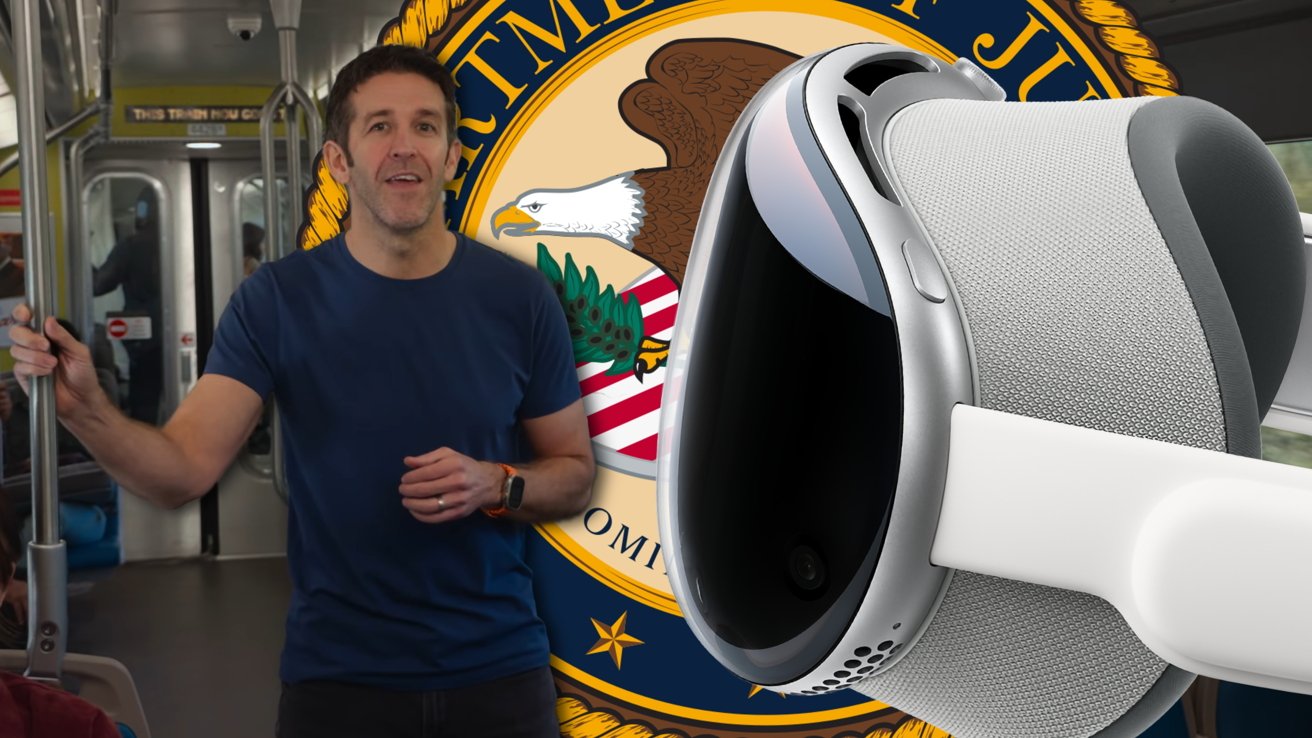
The Apple Vision Pro, despite its premium price point of $3,499, is finding innovative applications beyond consumer use, particularly in the film industry. Director Jon Favreau recently revealed that he utilized a specialized application with the Apple Vision Pro to preview shots in a virtual IMAX theater setting during the production of a Star Wars project.
This application allowed Favreau to assess how scenes would appear on an IMAX screen in real-time, directly on set. Traditionally, filmmakers would shoot scenes and then review them in a theater setting, a process that can be time-consuming and costly if reshoots are necessary. By integrating the Apple Vision Pro into the production workflow, Favreau was able to make immediate adjustments, potentially reducing the need for expensive reshoots and enhancing the overall efficiency of the filmmaking process.
The adoption of the Apple Vision Pro in this context highlights the device’s potential to transform creative industries by providing immersive, real-time visualization tools. While the headset’s cost may be prohibitive for average consumers, its value proposition becomes evident in professional settings where it can lead to significant time and cost savings.
Conclusion
This week’s developments within Apple’s ecosystem reflect a period of significant change and innovation. The impending leadership transition from Tim Cook to John Ternus marks a new chapter for the company, with potential shifts in strategic focus and corporate culture. Concurrently, the DOJ’s legal strategies in the ongoing antitrust case against Apple illustrate the intricate dynamics of high-stakes litigation. Meanwhile, the Apple Vision Pro’s application in film production exemplifies how cutting-edge technology can redefine creative processes, offering new tools for professionals to enhance their work.
As these stories unfold, they collectively underscore the multifaceted nature of Apple’s influence across various sectors, from corporate leadership and legal affairs to technological innovation in creative industries.