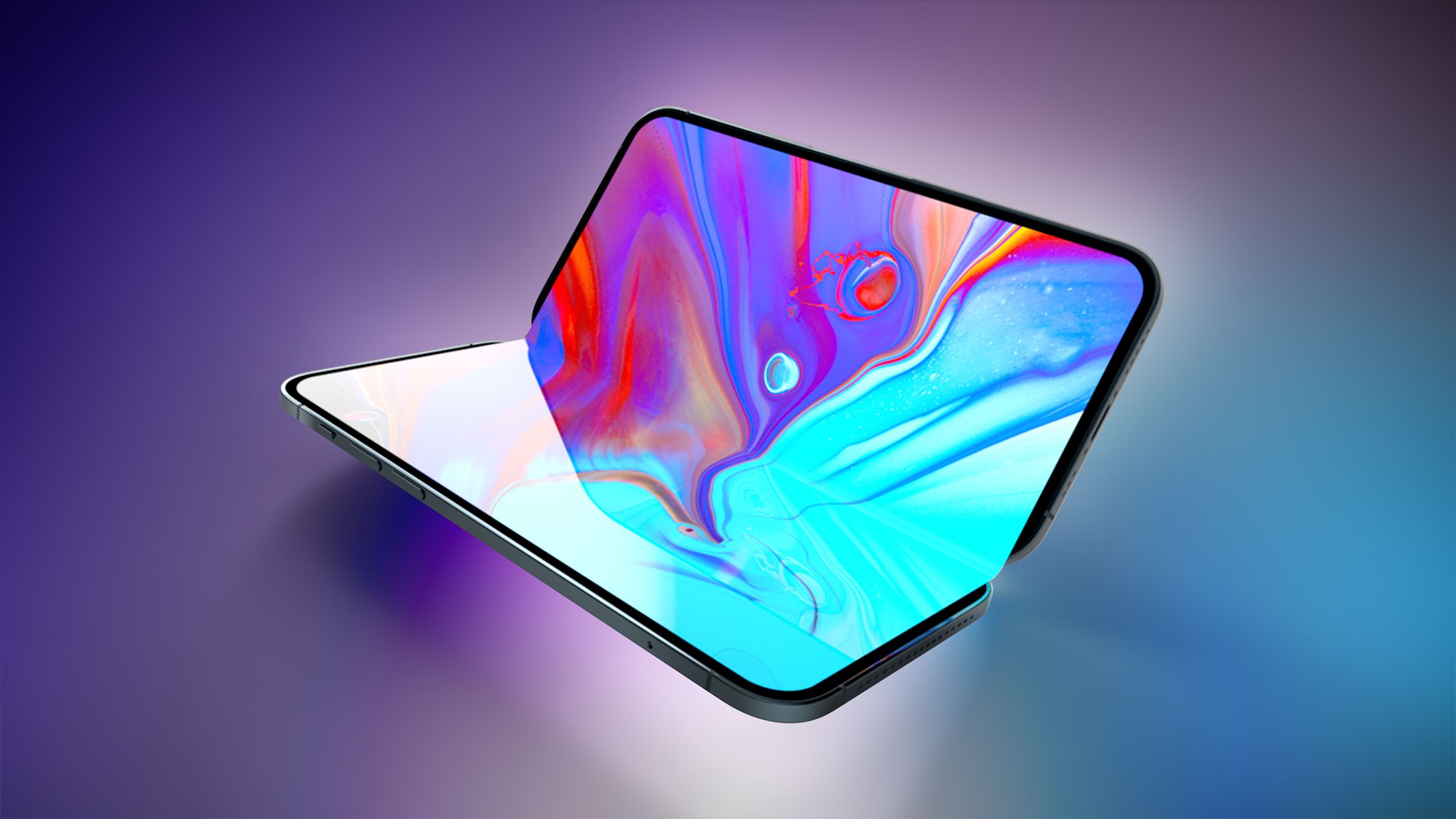
Apple’s Foldable ‘iPhone Ultra’ May Lack Key Features Despite $2,000 Price Tag
Apple’s forthcoming foldable smartphone, the iPhone Ultra, is poised to make a significant impact in the mobile market. However, recent insights suggest that despite its premium $2,000 price point, the device may omit several features that have become standard in the iPhone lineup.
Design and Display
The iPhone Ultra is anticipated to showcase a book-style, passport-shaped design with a 4:3 aspect ratio. When closed, it will feature a 5.5-inch outer display, and when unfolded, it will reveal a 7.8-inch inner OLED panel, closely matching the size of the 8.3-inch iPad mini. Remarkably, the device is expected to be just 4.5mm thick when unfolded, making it Apple’s thinnest iPhone to date. To achieve this slim profile, the outer frame is likely to be constructed from titanium for enhanced durability, while the inner frame will utilize aluminum. The back of the device is expected to have a glass finish, featuring a compact camera plateau housing two horizontally arranged rear cameras.
Relocation of Volume Buttons
In a departure from traditional iPhone designs, the volume buttons on the iPhone Ultra are expected to be relocated to the top edge of the device, aligned to the right. This design choice is reportedly due to the motherboard’s placement on the right side of the device. By positioning the volume buttons directly above, Apple aims to maximize internal space without running cables across the screen to the left side.
Potential Omissions
Despite its innovative design and premium pricing, the iPhone Ultra may lack several features present in other iPhone models:
1. Action Button: Introduced with the iPhone 15 Pro as a replacement for the silent switch, the Action Button has become a staple in recent iPhone models. However, images of the iPhone Ultra’s dummy models indicate the absence of this feature, suggesting that the device may not include an Action Button or silent switch.
2. MagSafe: MagSafe technology, which allows for magnetic attachment of accessories and wireless charging, has been a significant feature in recent iPhones. Dummy models of the iPhone Ultra lack the internal array of MagSafe magnets, implying that this feature might be omitted. Given the device’s ultra-thin design, it is plausible that there isn’t sufficient space to incorporate MagSafe technology.
3. Triple-Lens Camera System: To maintain its slim profile, the iPhone Ultra is expected to forgo the triple-lens camera setup found in Pro models. Instead, it will feature a dual 48-megapixel rear camera system, lacking the telephoto lens that enables optical zoom capabilities.
4. Face ID: The device’s thin chassis may not accommodate the TrueDepth sensor array required for Face ID. Consequently, the iPhone Ultra is anticipated to rely on a side-button Touch ID module for biometric authentication.
5. MagSafe Charging: The absence of MagSafe magnets not only affects accessory compatibility but also suggests that MagSafe wireless charging may not be supported. Users might have to rely on traditional wired charging methods.
Hardware Specifications
Under the hood, the iPhone Ultra is expected to be powered by Apple’s A20 chip, paired with 12GB of RAM. Storage options are likely to include 256GB, 512GB, and 1TB variants. Despite its slim design, the device is rumored to house a battery with a capacity between 5,400mAh and 5,800mAh, positioning it among the largest ever in an iPhone. Color options may be limited to black and white.
Market Position and Availability
The iPhone Ultra is expected to launch alongside the iPhone 18 Pro and iPhone 18 Pro Max this fall. However, reports suggest that it may ship after the Pro models, potentially as late as December. The device’s high price point and potential feature omissions may limit its appeal to a niche segment of consumers seeking cutting-edge design and technology.
Conclusion
Apple’s iPhone Ultra represents a bold step into the foldable smartphone market, showcasing innovative design and engineering. However, the pursuit of an ultra-thin form factor appears to necessitate compromises, resulting in the omission of several features that users have come to expect. As the device’s release approaches, it remains to be seen how these trade-offs will impact its reception among consumers.