Samsung’s Upcoming Android XR Glasses: A New Era in Extended Reality
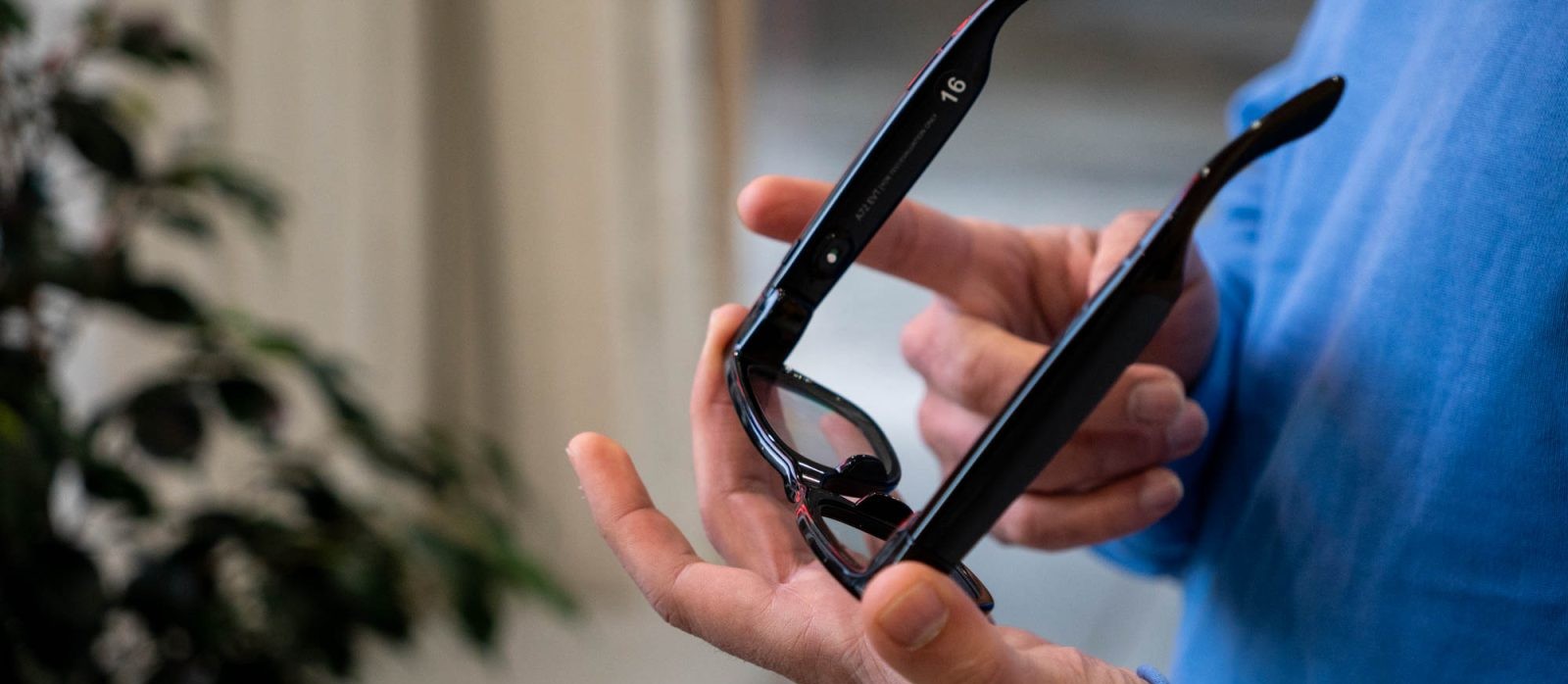
Samsung is poised to revolutionize the extended reality (XR) landscape with its forthcoming Android XR glasses. Recent discoveries within the One UI 9 codebase have unveiled references to a device codenamed Haean, suggesting that Samsung is developing multiple models of XR glasses, potentially including versions equipped with built-in displays.
Unveiling the Haean Codename
The Haean codename has surfaced in Samsung’s One UI 9 code, indicating the company’s commitment to expanding its XR product line. This codename appears alongside other model names, hinting at the possibility of different variants or designs within the XR glasses lineup. The reappearance of Haean suggests that Samsung is revisiting and refining its XR glasses project, possibly incorporating advanced features such as integrated displays.
Integration with Samsung’s Ecosystem
The One UI 9 code also references Bluetooth menu appearances and compatibility with Samsung’s Find app, indicating that the XR glasses will seamlessly integrate with Samsung’s existing ecosystem. This integration is expected to extend to Google’s Find My Device network, enhancing the user experience by providing robust tracking and connectivity features.
Anticipated Features and Capabilities
While specific details about the XR glasses remain under wraps, previous statements from Samsung have confirmed that at least one model will feature an AI-powered camera. The potential inclusion of built-in displays aligns with Google’s advancements in display technology, suggesting that Samsung’s XR glasses could offer immersive visual experiences. The integration of AI and advanced display technology positions these glasses as a significant step forward in the XR domain.
Market Implications and Consumer Expectations
The emergence of multiple XR glasses models from Samsung indicates a strategic move to cater to diverse consumer preferences and use cases. By offering variations with and without built-in displays, Samsung aims to provide options that balance functionality, comfort, and style. This approach reflects an understanding of the varied applications of XR technology, from professional environments to everyday consumer use.
Conclusion
Samsung’s development of Android XR glasses, as evidenced by the Haean codename in One UI 9, marks a significant advancement in the XR field. The anticipated features, including AI-powered cameras and potential built-in displays, coupled with seamless integration into Samsung’s ecosystem, suggest that these devices will offer a compelling and immersive user experience. As the XR market continues to evolve, Samsung’s innovative approach positions it as a key player in shaping the future of extended reality.