Artisan’s CEO Shares Insights on Building the Right Team for Startup Success
In the rapidly evolving landscape of artificial intelligence, Artisan has emerged as a notable player, particularly recognized for its provocative Stop Hiring Humans campaign. Despite this bold marketing approach, the company’s co-founder and CEO, Jaspar Carmichael-Jack, emphasizes the critical importance of assembling the right human team to drive a startup’s growth and scalability.
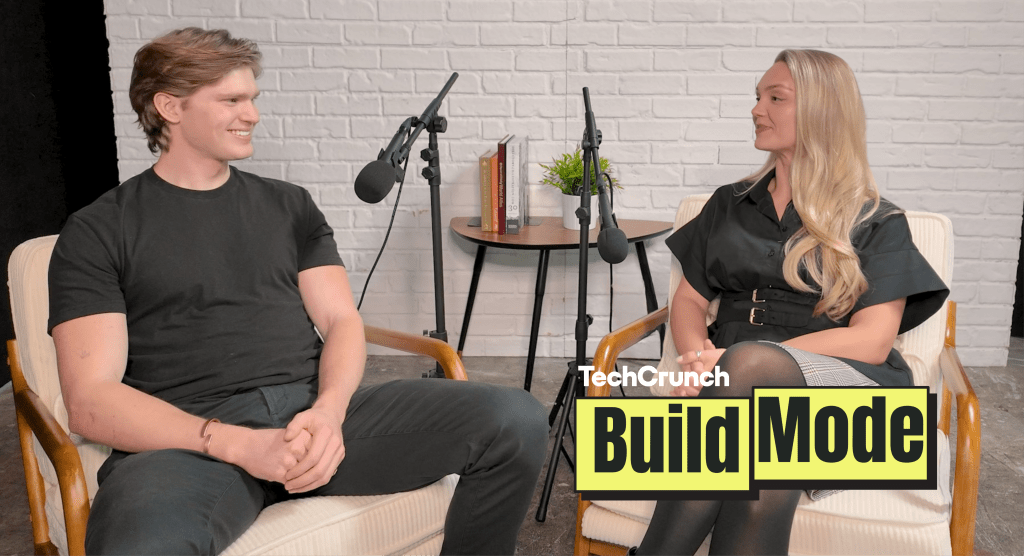
Artisan specializes in developing AI employees designed for sales outreach and customer engagement. In a recent discussion on TechCrunch’s Build Mode podcast, Carmichael-Jack candidly shared the challenges and lessons learned during the early stages of building their team. He highlighted that making poor hiring decisions can have a compounding negative effect, leading to wasted time, diminished morale, and potentially fatal execution delays for a burgeoning startup.
Reflecting on his experiences, Carmichael-Jack admitted, I’ve made a lot of hiring mistakes—like, a lot within every single role. We’ve probably hired over 100 people to have the 40 people that we have now. Each misstep, however, provided valuable insights that informed better hiring practices moving forward.
Overhiring
One significant lesson was the realization that expanding the team too rapidly can hinder rather than help scaling efforts. Carmichael-Jack observed that managing a larger team of 50 individuals proved more challenging in maintaining focus and alignment with the company’s mission compared to a smaller team of 10. He noted, I thought that we would scale faster if I hired all these roles and built this huge team, but it actually makes it more difficult to scale. He advocates for hiring only when the existing team is overwhelmed with tasks, ensuring that every team member remains fully engaged and productive.
Logo Shopping
Another pitfall identified was the tendency to prioritize candidates with impressive resumes featuring experience at renowned tech companies. Carmichael-Jack cautioned that skills honed in large, well-resourced organizations do not always translate effectively to the dynamic and resource-constrained environment of a startup. He emphasized that a candidate’s experience and passion are more indicative of their potential success in a startup setting than the prestige of previous employers.
Hiring Too Senior or Too Junior
Striking the right balance in the seniority of new hires is crucial. Carmichael-Jack pointed out that individuals with extensive experience may struggle to adapt to the chaotic nature of an early-stage startup and might expect structures that are not yet in place. Conversely, hiring individuals who are too junior may result in a lack of necessary skills to scale their function effectively.
Being Too Quick to Hire and Too Slow to Fire
The hiring process should be deliberate and thorough, even when a candidate appears impressive. Carmichael-Jack admitted that in the early days, the company was often too slow to address underperformance, leading to prolonged periods of inefficiency. He stated, Early on, we were way too slow. So we would sit on a decision for weeks or months and not really do anything and try and help them a bit, but not really, and just float around. And it never works out when you do that. He advocates for prompt and decisive action when it becomes clear that a team member is not a good fit, noting that both parties are usually aware of the mismatch.
Carmichael-Jack’s experiences underscore that hiring is not merely an operational task but a strategic one. The wrong hire can slow down progress, reshape company culture, dilute standards, and complicate future hiring efforts. Conversely, the right hires can accelerate growth and strengthen the organization’s foundation.
Ultimately, even a company at the forefront of building AI employees recognizes a fundamental truth: scaling a company requires human talent—the right human talent.