Hackers Exploit Fake Wallpaper App and YouTube Channel to Distribute notnullOSX Malware
In early 2026, cybersecurity researchers identified a sophisticated macOS malware named notnullOSX, engineered to siphon cryptocurrency from Mac users possessing digital assets exceeding $10,000. This malware employs a multifaceted distribution strategy, leveraging deceptive Google documents, a counterfeit wallpaper application, and a compromised YouTube channel to infiltrate systems.
Background and Development
The origins of notnullOSX trace back to 2023, when a developer known as 0xFFF vanished from an underground hacking forum after being misled into believing he was under investigation by Russian and Ukrainian security agencies. Reemerging in August 2024 under the alias alh1mik, he proposed a new macOS stealer to regain his standing within the cybercriminal community. By early 2026, this proposal materialized into notnullOSX, a Go-written stealer meticulously crafted to exfiltrate substantial cryptocurrency holdings from macOS users.
Distribution Mechanisms
Moonlock Lab researchers first detected notnullOSX on March 30, 2026, in regions including Vietnam, Taiwan, and Spain. The malware’s distribution is notably sophisticated, combining several deceptive tactics:
1. Fake Google Documents: Victims receive fraudulent Google documents that, upon opening, display a fabricated encryption error attributed to an outdated Google API Connector. This ploy presents two options to resolve the issue, both leading to malware installation.
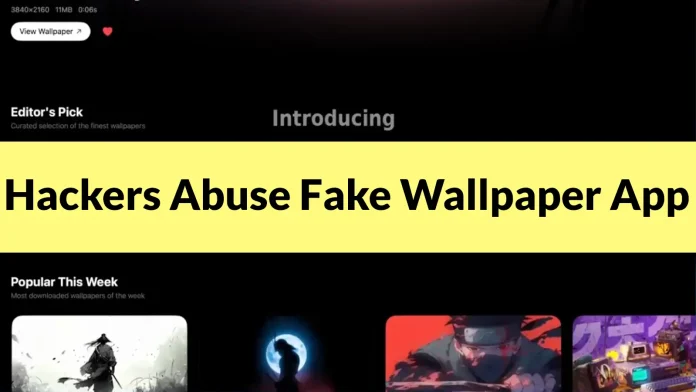
2. Counterfeit Wallpaper Application: One infection route involves a fake disk image named WallSpace.app, masquerading as a legitimate macOS live wallpaper application. This application, when installed, serves as a conduit for the malware.
3. Compromised YouTube Channel: A hijacked YouTube account, originally registered in 2015, was utilized to disseminate the malicious application. Within two weeks, a single video on this channel amassed 50,000 views, indicating a strategic effort to reach a broad audience.
Targeting Strategy
The operators behind notnullOSX employ a deliberate targeting approach. Before initiating contact, they compile detailed profiles of potential victims, including wallet addresses, social media accounts, and cryptocurrency balances. Notably, the malware is programmed to activate only if the target’s digital assets exceed $10,000, ensuring that efforts are concentrated on high-value individuals.
Infection Process
The infection chain is intricate and relies heavily on social engineering:
– ClickFix Method: Victims are presented with a Terminal command under the guise of resolving the fabricated encryption error. Executing this command initiates a sequence that downloads and installs the malware, bypassing macOS security measures.
– Fake Application Installation: Alternatively, victims may be directed to install the WallSpace.app, which, once executed, deploys the malware onto the system.
In both scenarios, the malware is granted Full Disk Access, enabling it to operate with extensive permissions.
Malware Capabilities
Once installed, notnullOSX exhibits a range of malicious functionalities:
– Data Exfiltration: The malware extracts sensitive information, including iMessages, Apple Notes, Safari cookies, browser passwords, and Telegram sessions.
– Cryptocurrency Wallet Compromise: It targets various cryptocurrency wallets such as Bitcoin Core, Exodus, and Electrum, aiming to access and transfer funds illicitly.
– Application Replacement: A particularly insidious feature, ReplaceApp, allows the malware to substitute legitimate hardware wallet applications like Ledger Live with malicious versions designed to intercept seed phrases during wallet setup.
– Persistent Command and Control: The malware maintains a continuous connection to the attacker’s server, enabling real-time data exfiltration and the receipt of additional commands.
Technical Execution
The ClickFix infection method exemplifies the malware’s technical sophistication:
– Base64-Encoded Command: Victims are provided with a base64-encoded command that, when decoded and executed, initiates a curl command to fetch a bash installer script from a remote server.
– Installer Script Actions: The script downloads a Mach-O binary, sets it as executable, removes Apple’s Gatekeeper quarantine flag, and configures a LaunchAgent to ensure the malware runs automatically upon system startup.
– User Deception: Victims are guided through enabling Full Disk Access, further embedding the malware within the system.
Implications and Recommendations
The emergence of notnullOSX underscores the evolving threat landscape targeting macOS users, particularly those involved in cryptocurrency. The malware’s sophisticated distribution methods and targeted approach highlight the need for heightened vigilance.
Preventive Measures:
– Exercise Caution with Unsolicited Communications: Be wary of unexpected emails or messages prompting software installations or system updates.
– Verify Application Sources: Only download applications from official and reputable sources.
– Regular Security Updates: Keep your operating system and all software up to date to mitigate vulnerabilities.
– Monitor Financial Accounts: Regularly review cryptocurrency wallets and financial accounts for unauthorized activities.
– Implement Robust Security Solutions: Utilize comprehensive security software capable of detecting and preventing malware infections.
By adopting these practices, users can significantly reduce the risk of falling victim to sophisticated malware campaigns like notnullOSX.